This article argues that without integrating IP protection into its cyber, emerging and disruptive technologies, and innovation strategies, NATO risks undermining the very technological edge it seeks to secure.

This article argues that without integrating IP protection into its cyber, emerging and disruptive technologies, and innovation strategies, NATO risks undermining the very technological edge it seeks to secure.
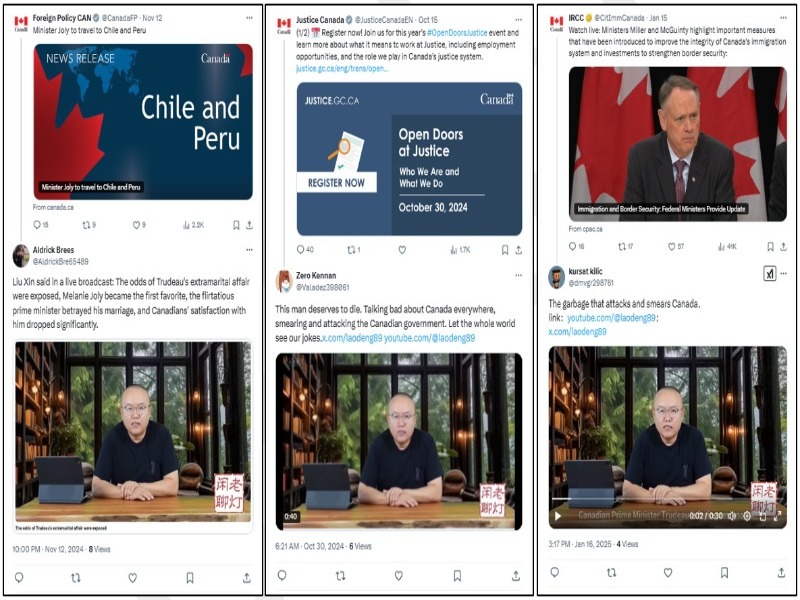
Two years have passed since Rapid Response Mechanism (RRM) Canada, which detects foreign interference and disinformation, identified the first Spamouflage campaign. First detected in 2023, the Spamouflage campaign refers to a covert disinformation operation that relies on networks of newly created or hijacked social media accounts, frequently seen to amplify narratives aligned with PRC (People’s Read More…
What does Mark Carney’s decision to re-engage China signal about Canada’s strategic options in a more coercive global economy? Tasneem Gedi argues that Ottawa’s limited recalibration with Beijing reflects an unavoidable strategy of hedging amid U.S. unpredictability. While such engagement may expand Canada’s room for maneuver in an increasingly coercive global economy, it carries risks and thus must be pursued narrowly, conditionally and in close alignment with Canada’s alliance commitments.

Increasingly, NATO countries have begun to describe digital media disinformation not as a discrepancy in communication between formal and informal state actors, but as a risk to national security. This shift is reflected in the Cyber Threat Assessment for Canada 2025, which notes that foreign state actors are using artificial intelligence (AI) to manipulate information, Read More…

Water is becoming one of the hard limits on how much food the world can reliably produce. For Canada and its trading partners, that turns water into a constraint that shapes resilience, trade strategy and security. How Water is Moving Up The Security Agenda Across countries, water is moving from background resource to strategic constraint on economic resilience and stability. Agriculture accounts for roughly 70% of Read More…
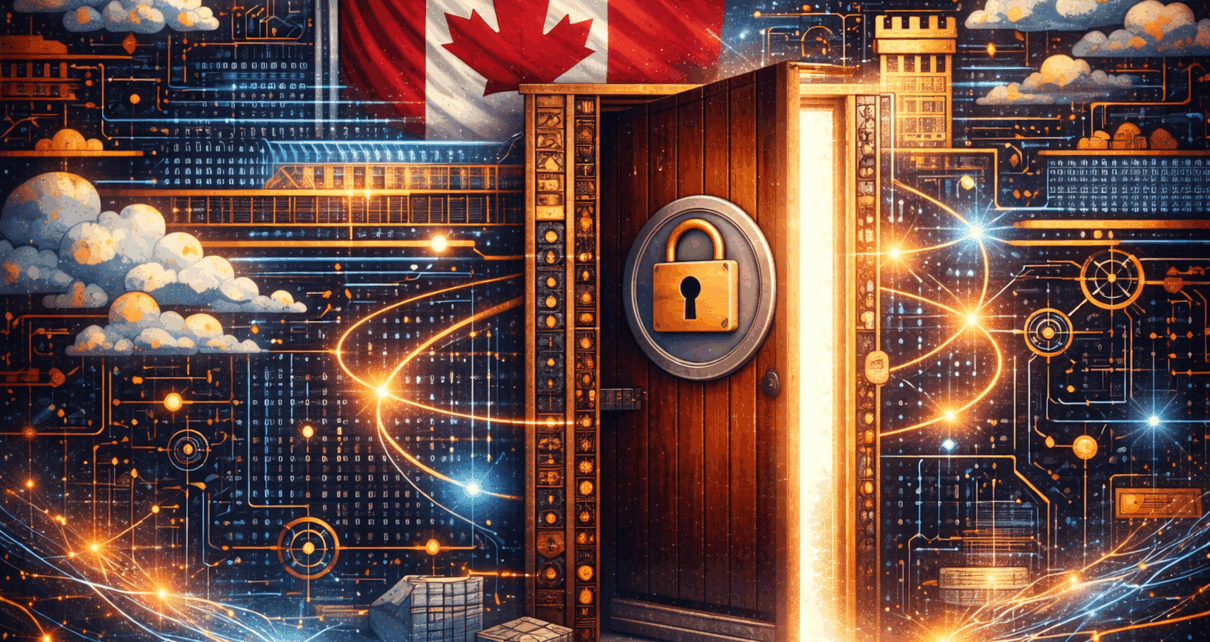
An Interview with Brad McInnis Part 1 Brad McInnis is a cybersecurity and cryptographic resilience expert with more than twenty-five years of experience spanning industry, Canadian defence intelligence, the Five Eyes community, U.S. government and defence environments. His work has focused on long term confidentiality, enterprise key management, and large-scale cryptographic modernization for national level systems. He Read More…

Alexander Morrow and Nataliia Dikalchuk explain why Ukraine’s fight matters far beyond Europe. The war is reframing deterrence in the Indo-Pacific, prompting Taiwan to prioritize self-reliant defence and pushing China to reassess Western unity. Their analysis highlights how democratic resilience in one region shapes security calculations in another.

What implications does domestic Philippine politics pose for foreign policy for NATO members? In this article, Karissa Cruz highlights the broader implications posed by the Duterte-Marcos feud over foreign policy direction, what it means for NATO, and how members should perceive these tensions amidst the heightened aggression by China.

What role can NATO play in addressing grey zone coercion in the Indo-Pacific? In this article, Joel Sawyer explores how the Alliance can strengthen regional pre-conflict deterrence and preparedness to reduce the effectiveness of coercive grey zone operations, actions, and activities.
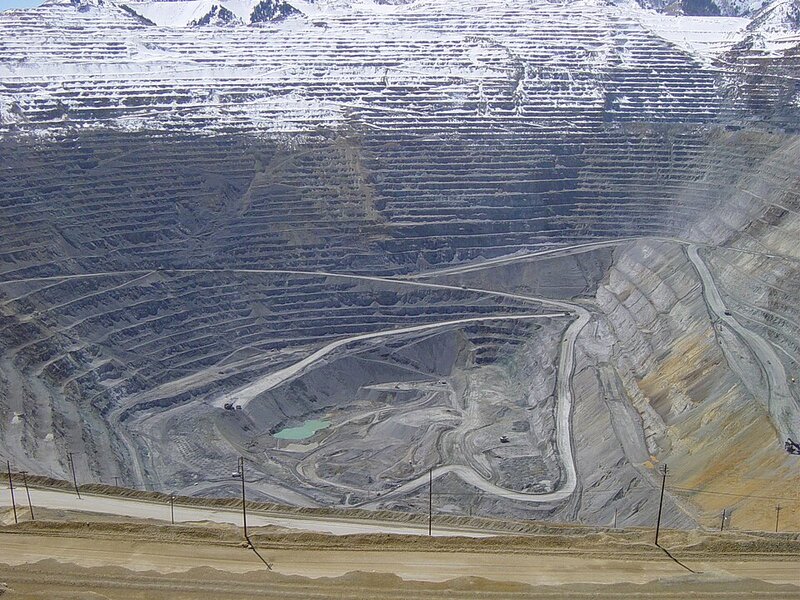
As US-China rivalry escalates, China’s new export curbs on rare earths have exposed NATO’s dangerous dependence on external suppliers for the minerals underpinning its defence industries. Daniel Lincoln argues that the Alliance must develop a unified industrial strategy to secure access to critical materials, independent of both Washington and Beijing. By building diversified supply chains, joint stockpiles, and integrated processing capacity, he contends that NATO can turn resource vulnerability into strategic resilience.