As US-China rivalry escalates, China’s new export curbs on rare earths have exposed NATO’s dangerous dependence on external suppliers for the minerals underpinning its defence industries. Daniel Lincoln argues that the Alliance must develop a unified industrial strategy to secure access to critical materials, independent of both Washington and Beijing. By building diversified supply chains, joint stockpiles, and integrated processing capacity, he contends that NATO can turn resource vulnerability into strategic resilience.

Asia-Pacific
East Asia Region
Beneath the Surface: China’s Deep-Sea Diplomacy in the Pacific Ocean
In this article, Narayan Srivastava examines how China’s accelerating push into deep-
sea mineral partnerships across the Cook Islands, Kiribati, and Tonga is reshaping the
South Pacific’s strategic balance. The article also highlights emerging vulnerabilities for
Canada and NATO in critical mineral supply chains. The piece evaluates how Pacific
resource politics now intersect with broader questions of regional dependence, maritime influence, and great-power competition.
Strange Bedfellows, Real Consequences: What do Moscow-Beijing-New Delhi’s SCO Optics Mean for NATO and Canada?
Narayan Srivastava highlights how NATO’s relevance in today’s multipolar world depends on engagement with the Global South. From safeguarding maritime chokepoints to strengthening resilience in energy and trade, actors like India, Brazil, and the Gulf states are emerging as indispensable partners. By expanding its partnership models and leveraging shared interests, this article explores how NATO can reinforce its role as the global custodian of stability, ensuring that the Alliance not only adapts to new realities but leads in shaping them.
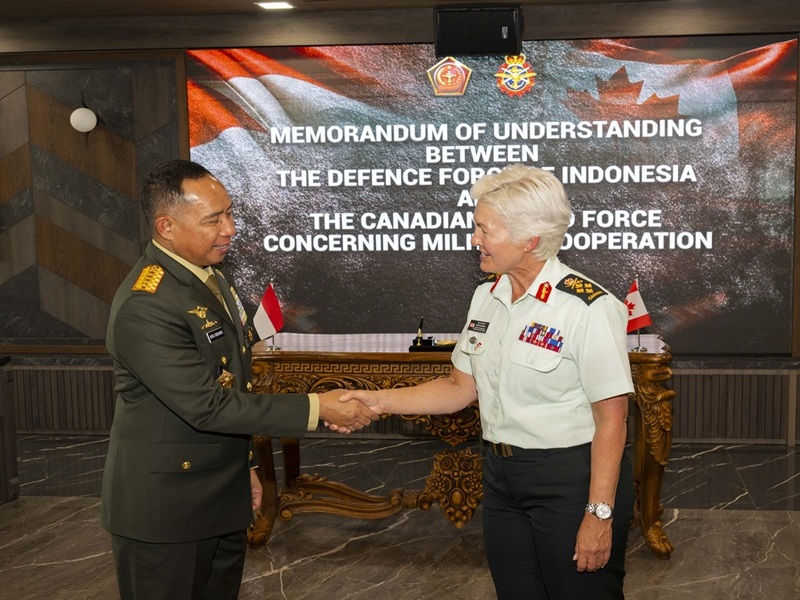
Building New Bridges: How Canada’s Defence Pact with Indonesia Signals a New Direction in Canadian Foreign Policy
What does Canada’s defence pact with Indonesia mean for foreign policy? In this article, Karissa Cruz highlights the broader implications posed by Canada’s new strategy in maritime and military cooperation with Indonesia, what it means for both countries, and how it can be considered a response to the shift in America’s foreign policy.
A New Playbook: Strategic Autonomy and NATO in the Indo-Pacific
By Daniel Lincoln The modern Indo-Pacific is witnessing assertions of strategic autonomy that challenge classical geopolitical logics and patterns of great power competition. During the 2025 Shangri-La Dialogue in Singapore, regional leaders signaled that they will not be corralled into binary agreements amid intensifying US-China rivalry. The forum revealed a fundamental rejection of zero-sum superpower Read More…
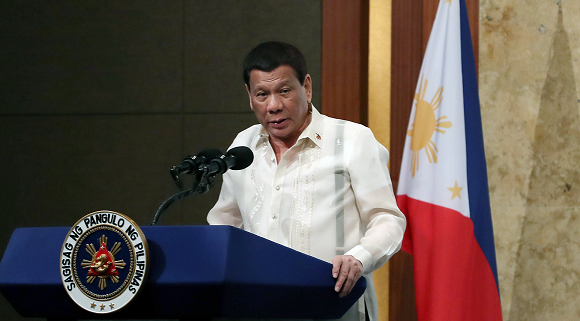
NATO and the Philippines: The First Step Towards a Strategic Partnership
As tensions continue to rise in the Indo-Pacific, the President of the Philippines, Rodrigo Duterte, has turned his attention to realigning with the United States and allies. This shift in policy from aligning the Philippines with Beijing in 2016- to a complete pivot to Washington- has now opened up possible opportunities for the US and Read More…
The Future of Indo-Pacific Cooperation: An Australian Perspective
A conversation with the High Commissioner of Australia to Canada, H.E. Natasha Smith.
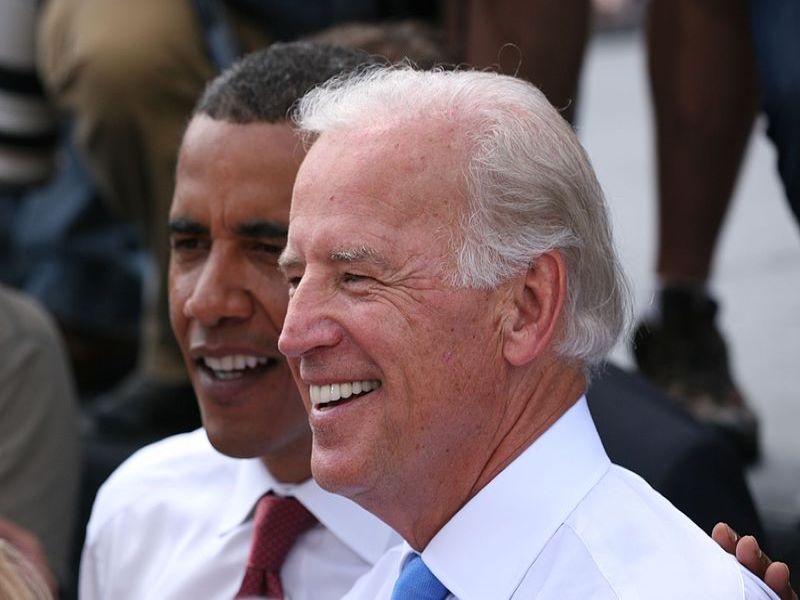
Biden and the Comprehensive and Progressive Transpacific Partnership: Challenges for Re-entry
The greatest challenge for Biden in the Pacific may be proving that U.S participation in multilateral-free trade agreements is a necessity and not a luxury. Emilio Angeles writes.
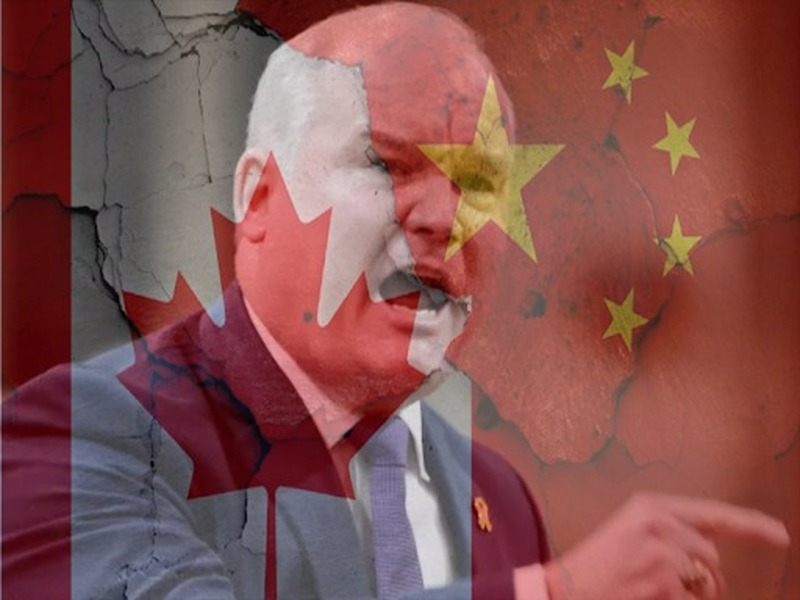
Dragon Slayer: The Partial Foreign Policy of Erin O’Toole’s Conservative Party
Upon Erin O’Toole’s election to lead Canada’s Conservatives, Arjun Singh examines the party’s foreign policy platform.
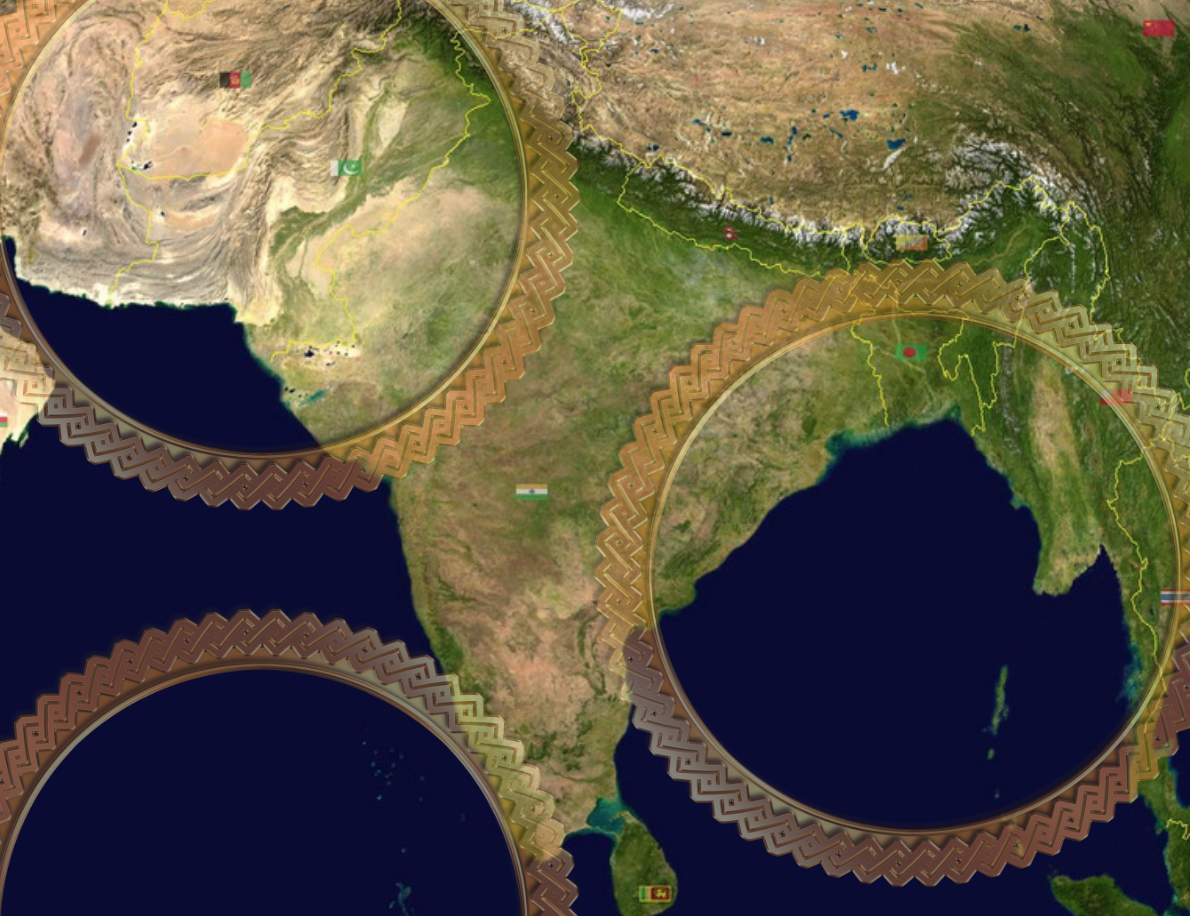
Special Report: The Three Bangles of Indian Strategy
Anvesh Jain advances an original theory on India’s strategic future, examining a growing network of relationships in three key areas of focus across Asia and the Indian Ocean Region.