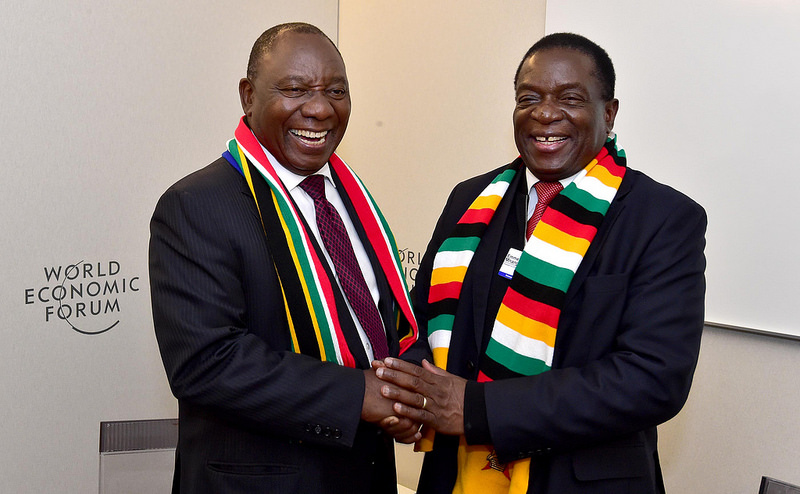
Even if China did not facilitate the coup in Zimbabwe, there is no doubt that Beijing is now pulling the strings in the South African Dictatorship.
A list of authors, past and present
Even if China did not facilitate the coup in Zimbabwe, there is no doubt that Beijing is now pulling the strings in the South African Dictatorship.
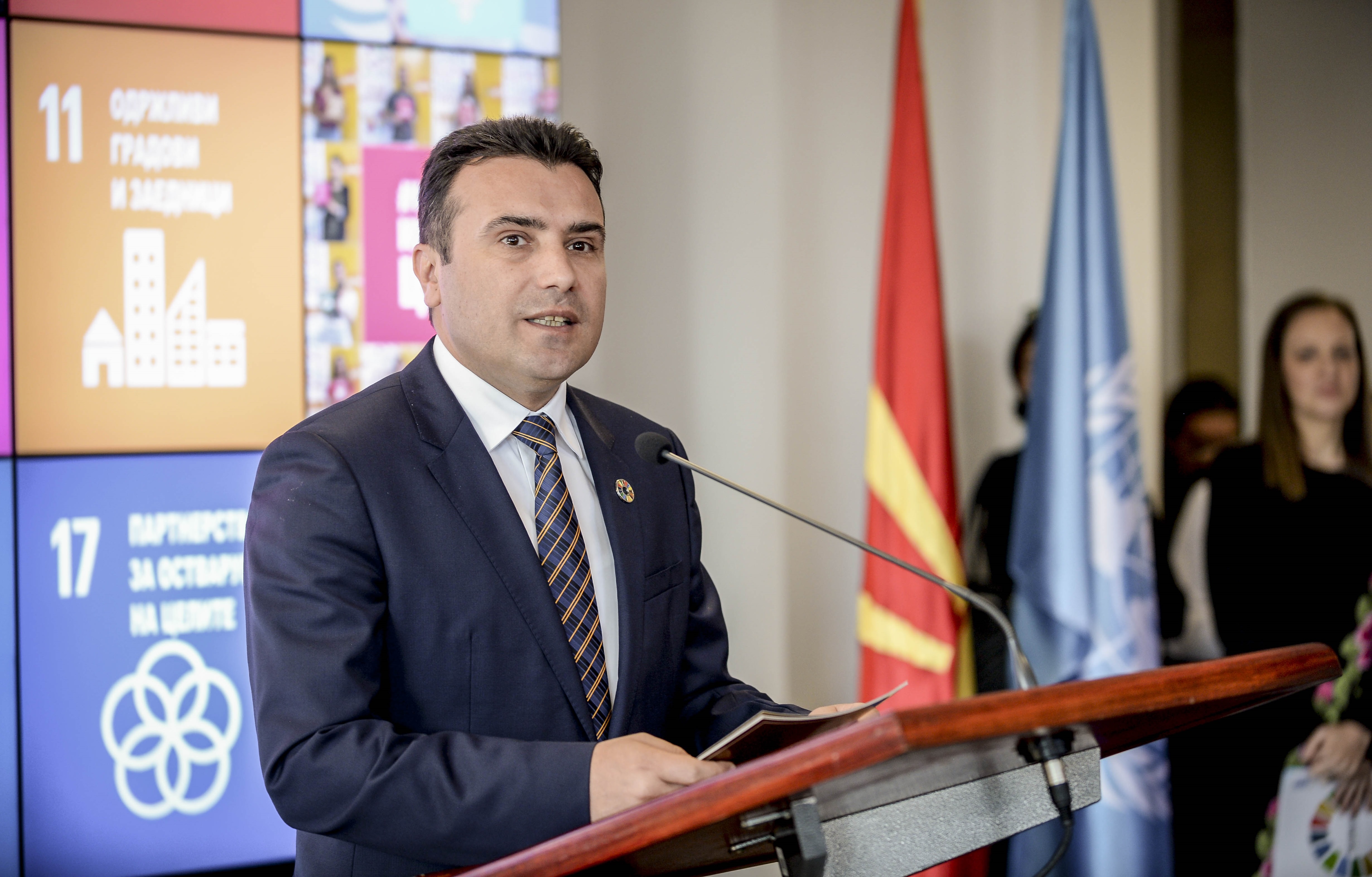
Colin McEwen highlights newfound evidence of a diplomatic solution to the long-running dispute over the official name of the Former Yugoslav Republic of Macedonia.
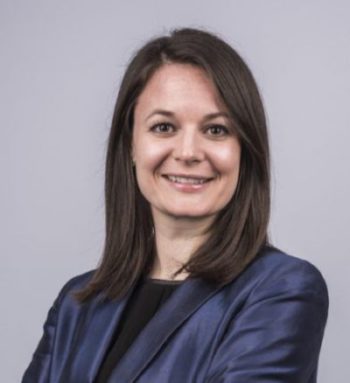
Karl Ngo’s interview on Cybersecurity with Chelsey Slack, Deputy Head of the Cyber Defence Section at NATO Headquarters.
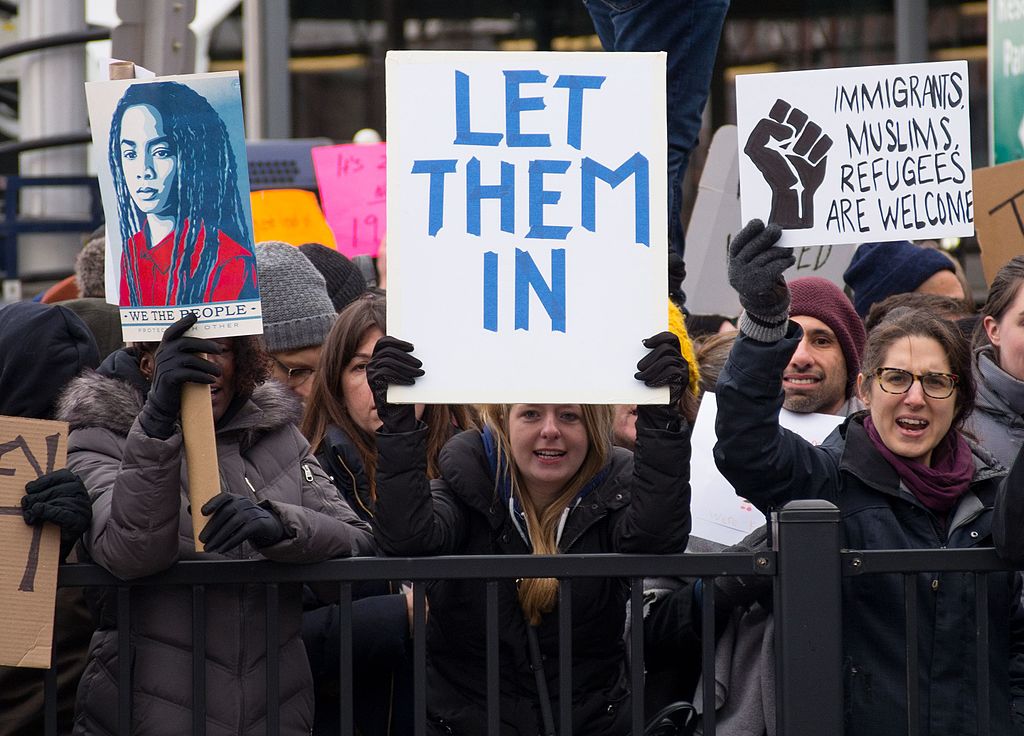
Assim J. Chaudhary explores the recent development of President Trump’s Immigration Policy and the implications it has on national as well as international relations.
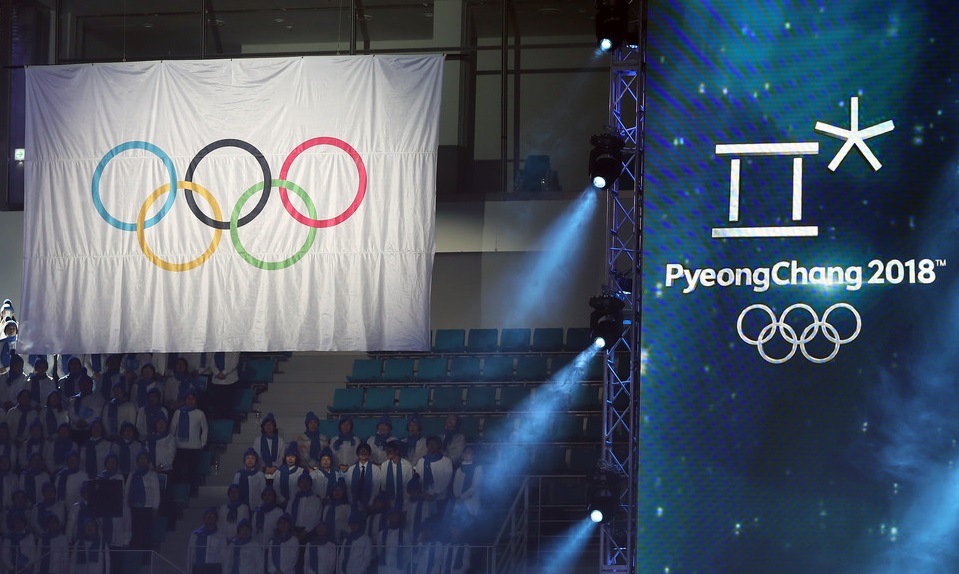
The 1936 Summer Olympics in Berlin did not stop Adolf Hitler and the 2018 PyeongChang Winter Olympics is no exception for Kim Jong-un.
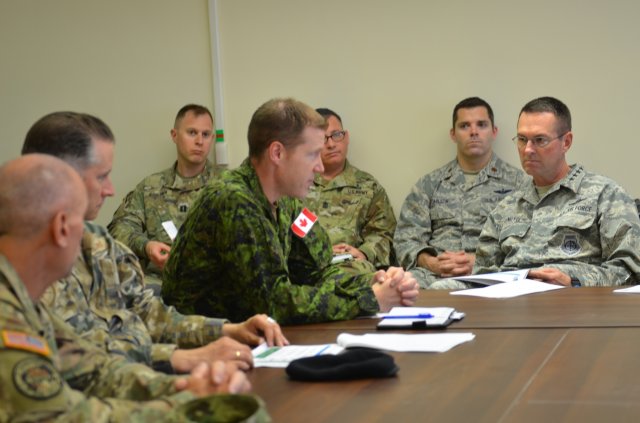
Lionel Widmer discusses the Canadian and NATO military presence in Latvia and whether the force should be increases or decreased.
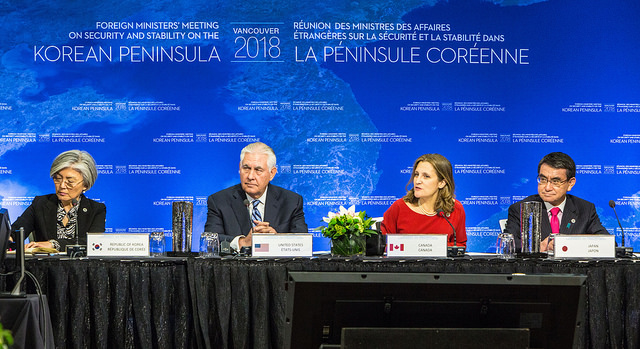
Our program editors dwell on the topics of discussion that are bound to be brought up by the upcoming Vancouver Summit.
Karl Ngo’s interview on Cybersecurity with Chelsey Slack, Deputy Head of the Cyber Defence Section at NATO Headquarters.
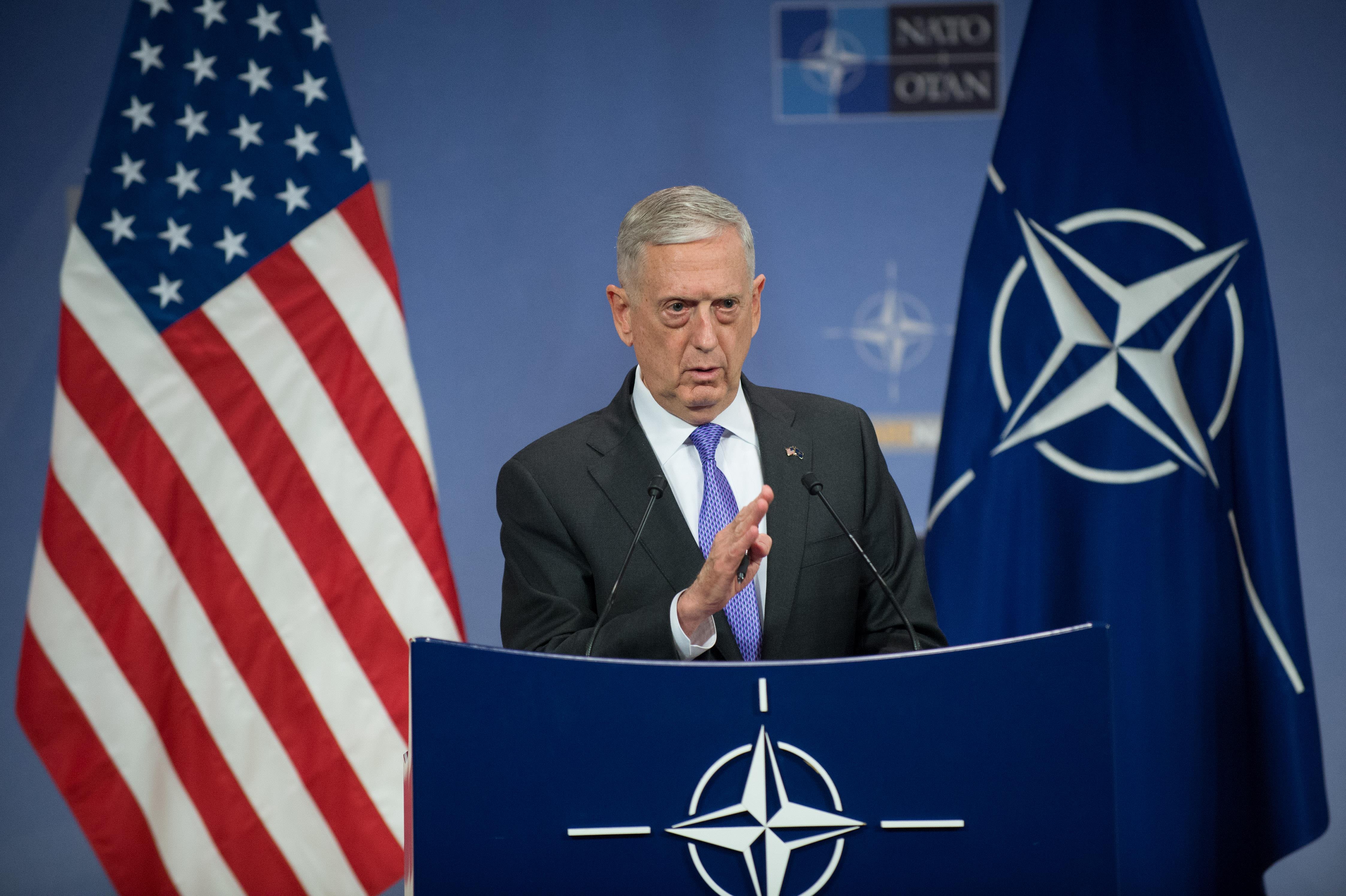
With the rise of Russian aggression, the US must be willing to act multilaterally with its European partners and be able to project stability beyond its own borders. Jayson Derow discusses the vital interests of the US in a Europe that is democratic, stable, robust, and undivided.
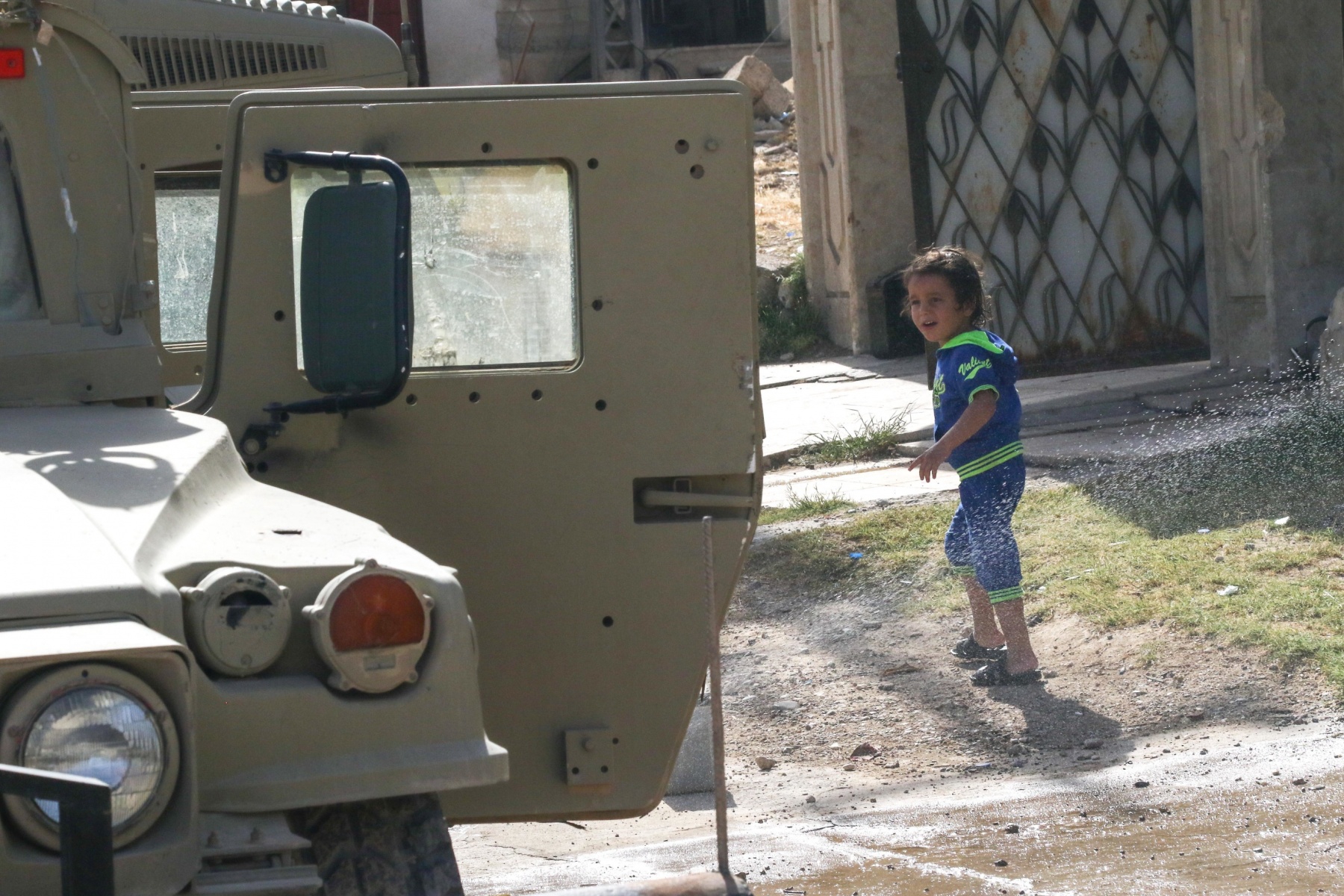
Edward Tat interviews Ian Bradbury, founder of the 1st New Allied Expeditionary Force, on the deteriorating situation in post-Daesh Iraq and the subsequent need for peace-building and deradicalization efforts.