A list of authors, past and present
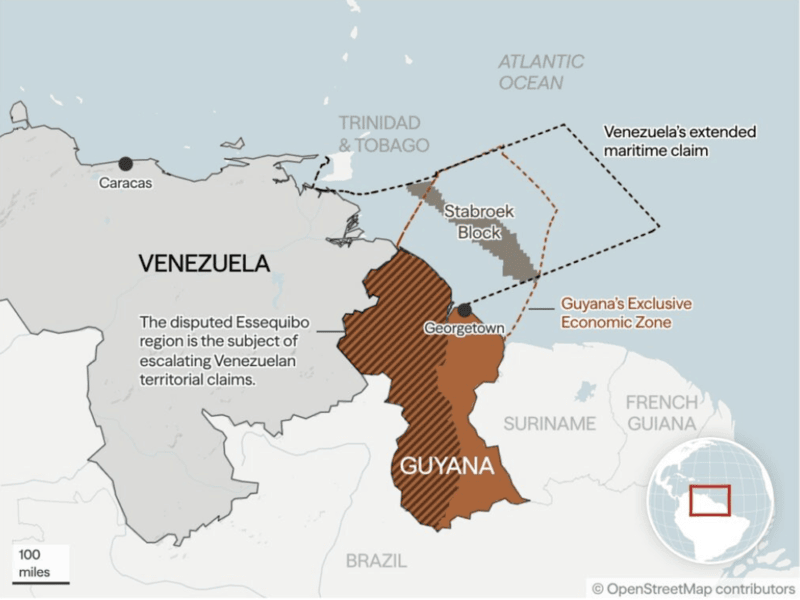
As Guyana emerges as a strategic energy partner, the rapid expansion of its oil sector and heightened tensions along the Essequibo border are reshaping the country’s security landscape. This article examines how resource competition, migration, and militarization intersect with the Women, Peace and Security (WPS) agenda, highlighting the risks of gender-based violence, human trafficking, and underinvestment in critical social services.
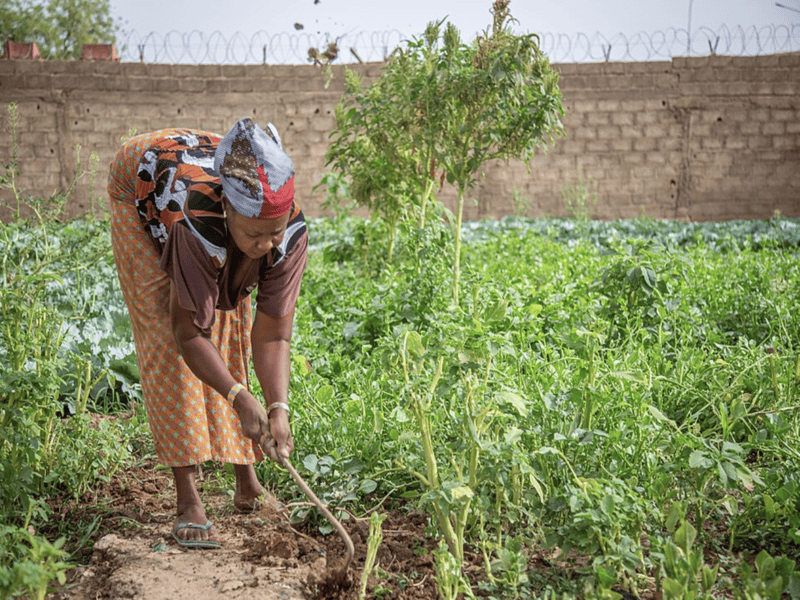
Women play an important role in agricultural and food systems, where food security, climate, and trade are connected and reinforce concepts that have economic and societal impacts. Recent geopolitical events and disruptions in the global supply chain have highlighted the necessity of including gender provisions in climate and trade agreements through mechanisms such as the Women, Peace, and Security (WPS) agenda, which contribute to the security and well-being of women around the world.
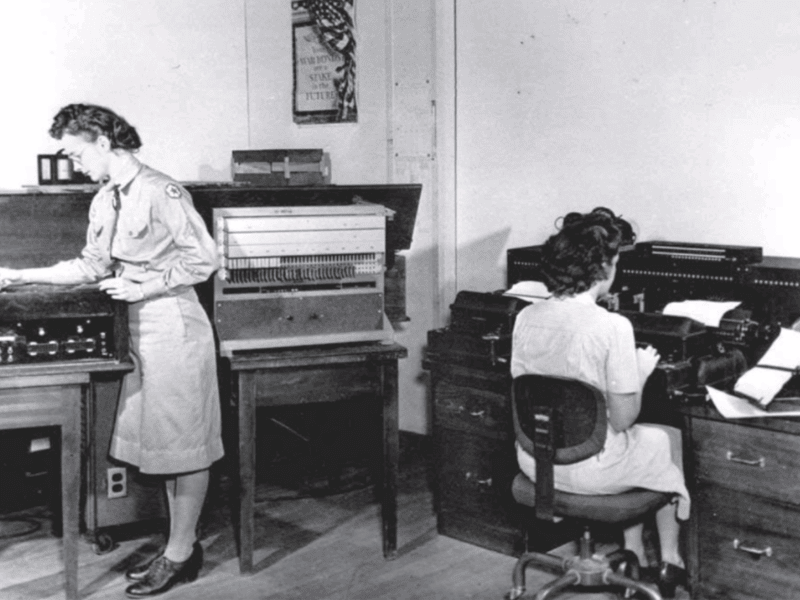
In this article, Morgan Singer examines the evolving role of women in Canadian intelligence, situating their contemporary leadership within a longer history of espionage. While intelligence has traditionally been a male-dominated field, women have made significant contributions, particularly during the World Wars. Since, women have proven to have differentiable mobility and socioemotional skills that make them better spies. The article explores how these capabilities continue to shape women’s roles in the Canadian Security Intelligence Service (CSIS), where women now comprise nearly half of the workforce and hold prominent leadership positions.
For decades, the Caribbean has shaped the world through its culture, cuisine, music, and vibrant traditions. Today, its influence is expanding into a new arena: energy, security, and strategic defence partnerships. The Essequibo dispute is no longer just a bilateral territorial disagreement. It has become a strategic issue with implications for energy security, great-power competition, and NATO’s wider security environment. In this special report, read how Guyana’s emergence as a major oil producer has elevated the geopolitical significance of the Guyana–Venezuela dispute, and why developments in the Caribbean now matter far beyond the region.
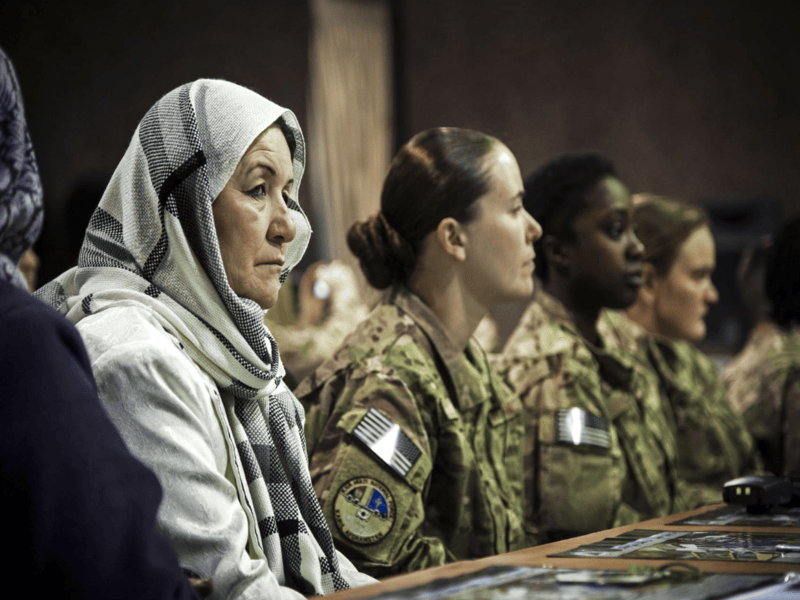
NATO Mission Iraq seeks to include WPS in its longstanding operations. However, the recent killing of Iraqi-Canadian women’s rights activist Yanar Mohammed highlights that insecurity for women remains prominent in Iraq, as women’s rights lag in the face of continued instability. As it supports Iraq’s reconstruction, NATO Mission Iraq must undertake a renewed commitment to implement WPS across its operations, support a safe environment for women’s rights defenders and civil society, and foster sustainable peacebuilding and societal resilience.
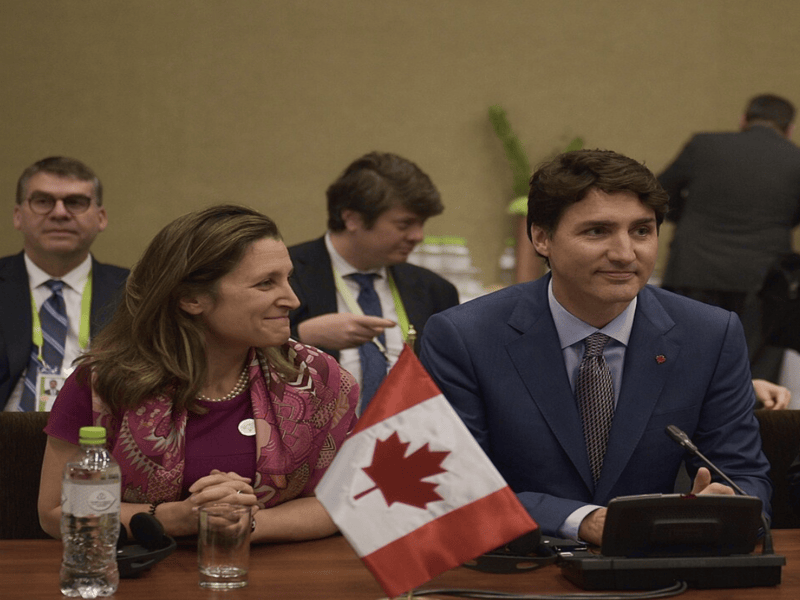
In just over a year as Prime Minister, Mark Carney has drawn stark comparisons to his predecessor, Justin Trudeau. Canada has since committed to bolstering hard military power and trade diversification in response to a complex geostrategic environment, a stark departure from the values-based and progressive policy that was a hallmark of the Trudeau era. In this article, Isabelle Zhu argues that despite the explicit differences across Trudeau’s approach and the current government’s on foreign policy, there is actually substantial continuity as it pertains to Canada’s Feminist Foreign Policy (FFP) and the Women, Peace, and Security (WPS) agenda. Under Carney, Canada can continue to pursue its defence and security objectives through investments in WPS principles.
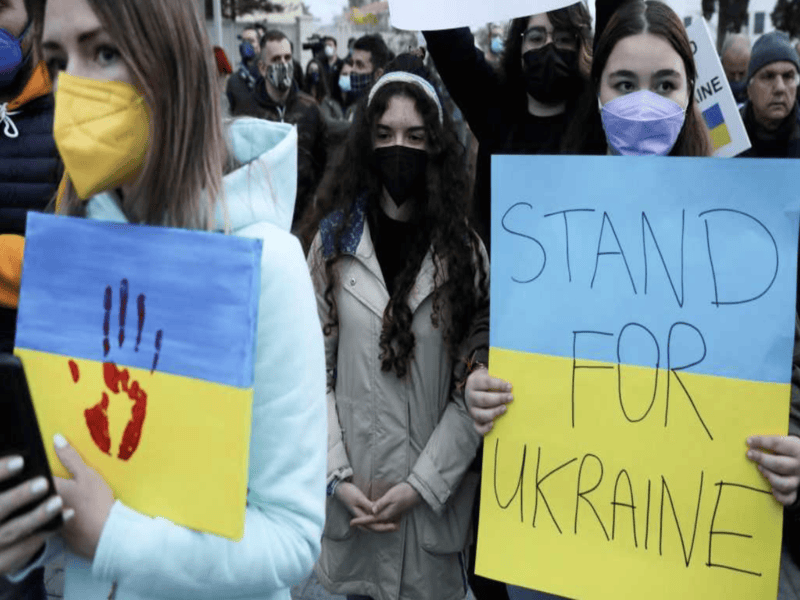
Ukrainian women-led organizations are building the evidentiary record for Russian wartime sexual violence, but are Canada and its NATO allies directing enough resources to the mechanisms that make accountability possible? In this article, Kaya Dupuis examines how organizations like La Strada-Ukraine and JurFem are documenting conflict-related sexual violence under active fire and what Canada’s commitments under NATO’s Women, Peace and Security agenda actually look like on the ground.
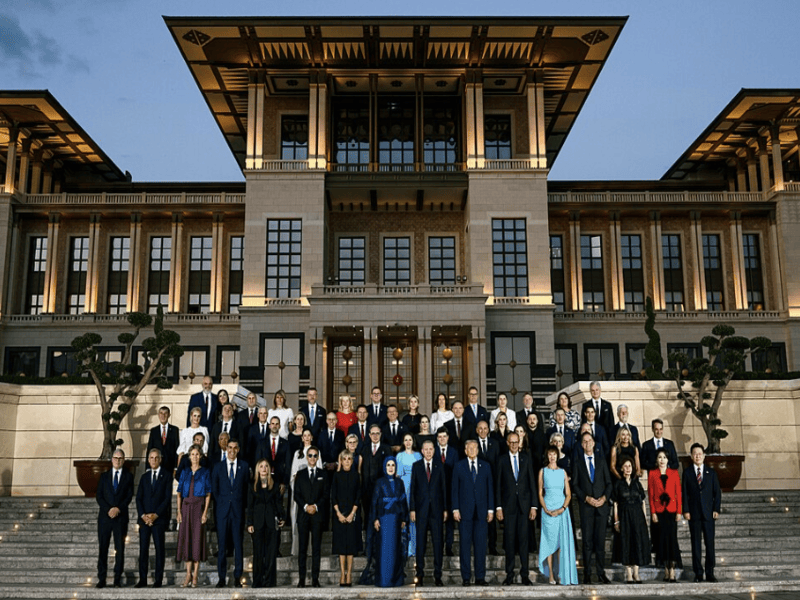
The 2026 NATO Summit in Ankara presented a unique opportunity to uphold the importance of NATO’s Women, Peace and Security (WPS) Agenda in the pursuit of collective security. Growing concerns over Turkey’s domestic humanitarian record underscored a deeper importance to this conversation. Nonetheless, at a time where confrontation is often chosen over conversation, the Summit offered a reminder of the importance of the willingness to gather. Through an examination of key discussions on gender-responsive security at the Ankara Summit, this article contends that the willingness to gather must be matched by a willingness to act. The Alliance’s greatest strength lies in its continued capacity to choose diplomacy, have hard conversations, and hold one another accountable for transforming dialogue into durable action.
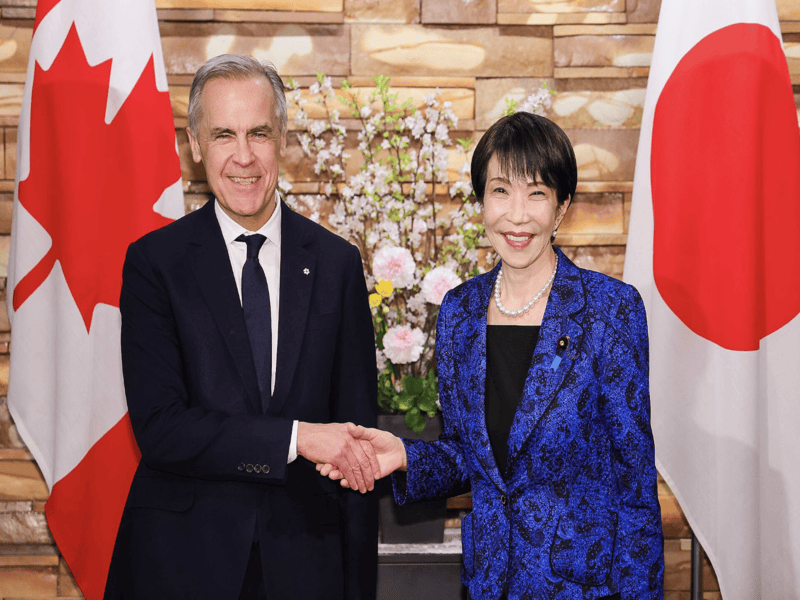
Canada’s shift to the Indo-Pacific for trade, economic, and defence opportunities is a strategic pivot away from the United States to create key partnerships and establish diplomatic ties. This also highlights an avenue for Canada to reaffirm its commitment to the broader values and principles represented by the Women, Peace, and Security (WPS) agenda, where the US appears to have abandoned the cause. Isabelle Zhu argues that in this new geopolitical landscape, Canada can leverage its soft power and emerge as an engaged and dependable ally from security and defence to trade and energy, but also in principles and values, which contributes positively to Canada’s normative reputation and international visibility.
Critical minerals are growing crucial to NATO’s defence-industrial capacity, but the governance of their extraction has largely omitted gender sensitive considerations. This article argues that as NATO intensifies efforts to secure defence-critical mineral supply chains, leveraging its Women, Peace and Security (WPS) Agenda can help develop a gender-responsive governing framework. Drawing on Canada’s emerging critical minerals framework, this article discusses the legal safeguards and inclusive governance that can strengthen supply chain resilience while embedding gender considerations. This way, NATO members can enhance both strategic mineral security and its commitments to sustainable peace and security in tandem with gender equality.