Melani Veveçka Society, Culture, and Security

Special Report – Rural Exclusion and Right-Wing Politics: A Comparative Study of Germany and Canada

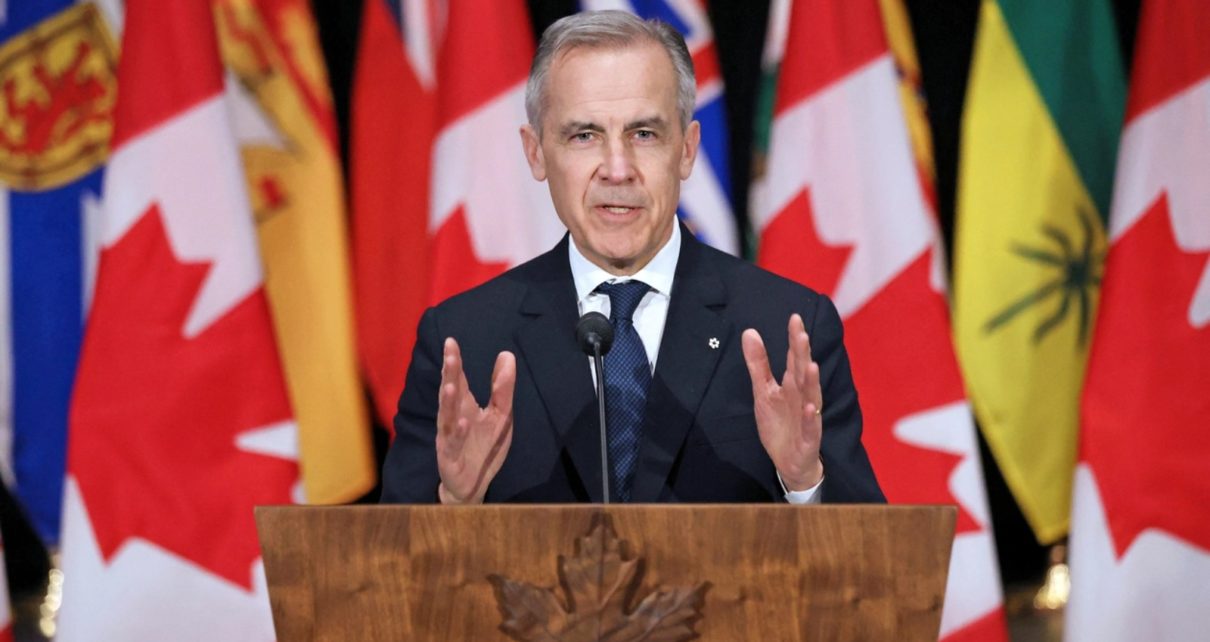
To understand the political realities of Canada and Germany today, one must begin with a map. In both countries, polarization takes shape not just in rhetoric but in the growing distance between city skylines and rural streets.  Politics has been reorganized by a new geography of power, with cities now concentrating population, investment, and cultural Read More…

NATO and Canada

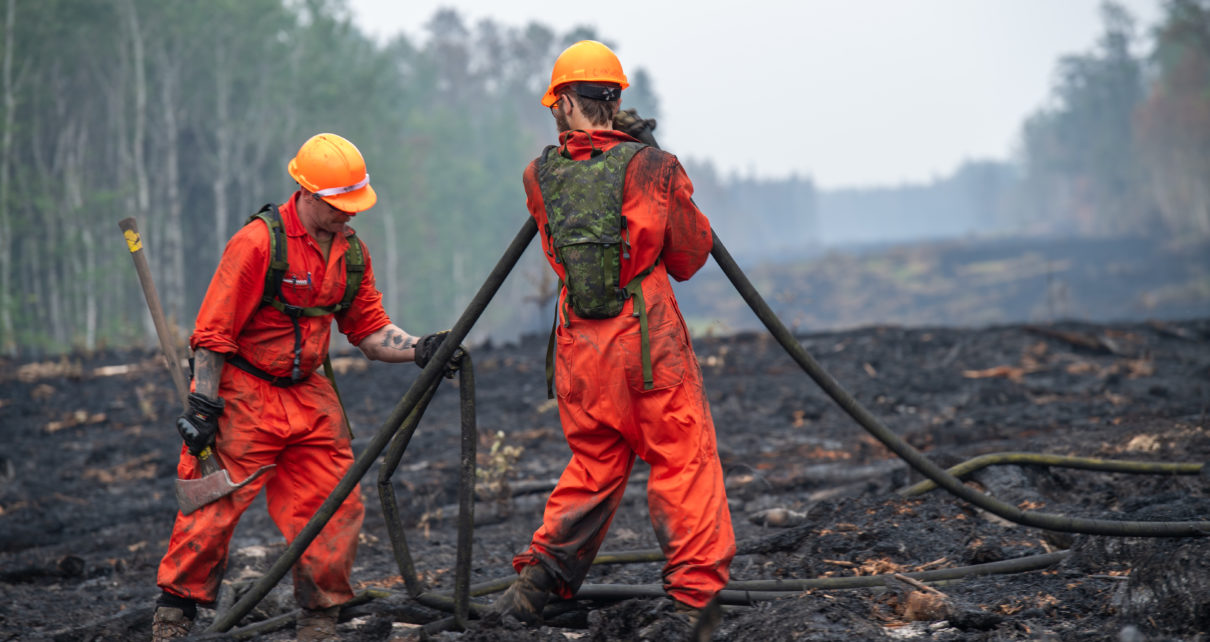
On the Ground and in the Air: Canada’s Defining Role in NATO’s Military Healthcare

In this article, Sanam Singh argues that NATO’s medical system anchors every mission with Canada’s leadership enhancing its strength on the ground and in the air. The piece shows how Canada’s expertise positions NATO to confront the growing threat of cyberattacks targeting military healthcare.

Previous Events

Unmanned Horizons: The Future of Aerial, Land, and Naval Drones 

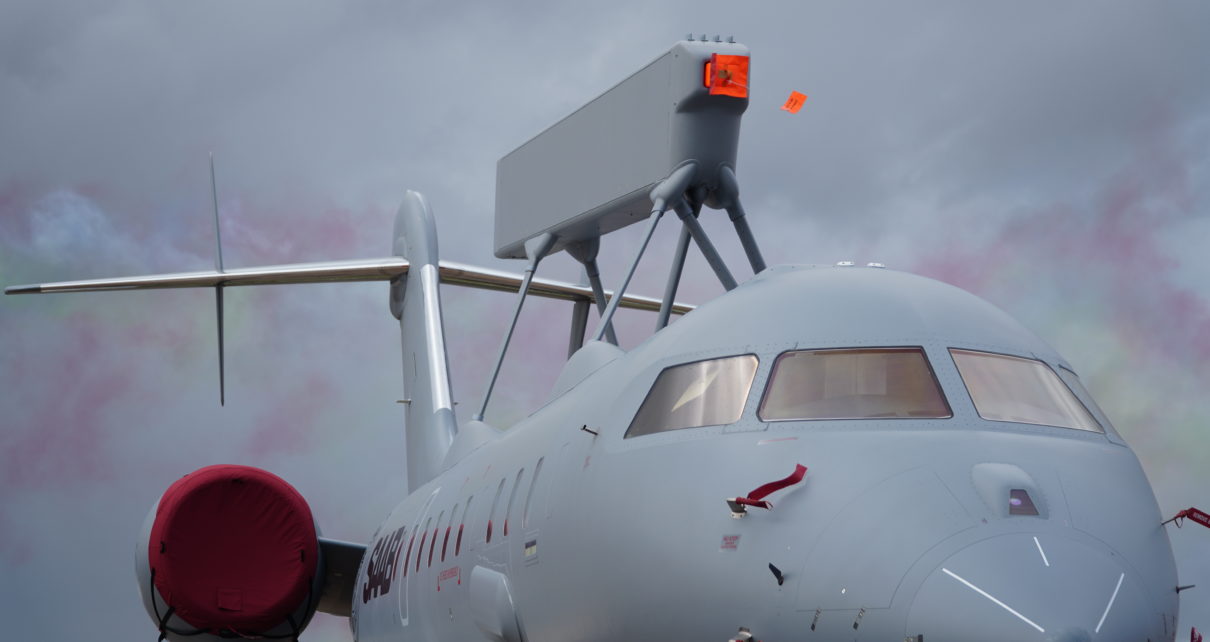
On November 28, 2025, the NATO Association of Canada convened over 150 defence leaders, industry innovators, and policymakers in Ottawa for the event entitled “Unmanned Horizons: The Future of Aerial, Land, and Naval Drones.” The panel explored the fast-moving landscape of drone technologies and what these advancements mean for Canada’s defence capabilities. This report provides a detailed summary of the conversation and argues that keeping pace with emerging technologies is essential for Canada’s security.

Previous Events

Civic Readiness in an Uncertain Era: Is it time for a Canadian Civil Defence Corps?

On November 25, 2025, the NATO Association of Canada and the Canadian International Council Toronto Branch co-hosted a panel examining whether Canada should establish a modern civil defence corps. This overview captures the central themes of the discussion and argues that now is a critical moment for Canada to invest in a stronger, more coordinated civil defence system.

NATO and Canada

Deterring and Proving Commitment: Canada and Task Force Latvia

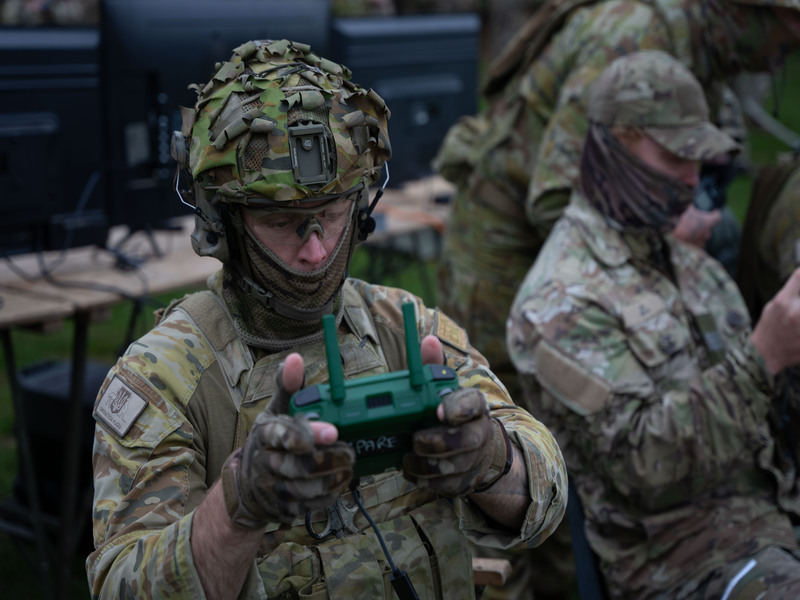
Eight years after the start of Canada’s mission to Latvia, Ottawa continues to increase its commitment to the NATO multinational formation. Arguably, this is the most important component of Canada’s defence policy and a key part of the country’s foreign policy. The enhanced forward presence brigade led by Canada is one of several formations which serve to deter Russian aggression. These ‘tripwire forces’ aim to ensure that in the event of a Russian attack, many member states would be involved, guaranteeing a general response from the alliance. Beyond this, Canada’s leadership serves as a strong example of the country’s value to the alliance and reassures allies that they would not be abandoned in the event of war.

Security, Trade and the Economy

Trusted site readiness: Canada’s edge in a shifting global FDI landscape

Foreign Direct Investment (FDI), defined as an investment where a person or company from one country acquires 10% or more of the voting shares, or equivalent ownership of a business enterprise in another country, is central to Canada’s long-term competitiveness. Trusted, high-quality FDI strengthens economic resilience by anchoring supply chains, transferring technology, and building local Read More…

Centre For Disinformation Studies

What We Do Not Account For When Legislating Against Disinformation

In recent years, there have been increased calls for the Canadian government to introduce legislation against disinformation. Tighter laws have been requested in an attempt to reduce the digital flow of deliberately false information in Canadian political discourse around controversies like vaccines, especially during elections. For one, in 2022, Canada’s chief electoral officer Stéphane Perrault Read More…

Centre For Disinformation Studies

Disinformation and Public Health in the Post-Pandemic Era: What COVID-19 Taught Canada and NATO About Resilience

The COVID-19 global pandemic was both a public-health crisis and a catalyst for an infodemic: the flood of misinformation and disinformation that spread as rapidly, if not more rapidly, than the virus itself. A systematic review by the World Health Organization (WHO) found that this infodemic undermined compliance with health measures, fragmented social cohesion, and Read More…

Centre For Disinformation Studies

The Culture of Distrust: : How AI Disinformation Exploits Polarization and Democracy

The voice on the line sounded like the President of the United States. It carried his cadence, his gravel, even his familiar pauses. But the words were strange. “Save your vote for the November ballot,” it told thousands of citizens in New Hampshire ahead of the 2024 primary. In reality, the call was orchestrated by Read More…

Centre For Disinformation Studies

Canada at the Crossroads: Disinformation as a Domestic Security Challenge

Canada’s greatest security risk may not lie at its borders but in its news feeds. That might sound like a dramatic statement, yet the danger is not abstract. It lives in the information Canadians scroll past each day, in the stories they share, and in the narratives that seep in unnoticed. In a country that Read More…