

NATO Association of Canada
The mission of NATO Association of Canada is to promote peace, prosperity, and security through knowledge and understanding of the importance of NATO.
We strive to educate and engage Canadians about NATO and NATO’s goal of peace, prosperity and security. NATO Association of Canada ensures that we have an informed citizenry able to contribute to discussions about Canada’s role on the world stage.
As a leading member of the Atlantic Treaty Association (ATA), NATO Association of Canada has strong and enduring ties with sister organizations in many of the alliance countries, as well as members of NATO’s “Partnership for Peace” and “Mediterranean Dialogue” programmes. The NAOC has had a leading role in the recent transformation and modernization of the ATA, and helped to create and develop the Youth Atlantic Treaty Association (YATA).
The NAOC has strong ties with the Government of Canada including Global Affairs Canada and the Department of National Defence. We are constantly working to create and maintain relationships with international organizations such as the World Bank Group, the European Bank of Reconstruction and Development, NATO Headquarters, the International Criminal Court, and other prominent international NGOs and think tanks.
Related Articles
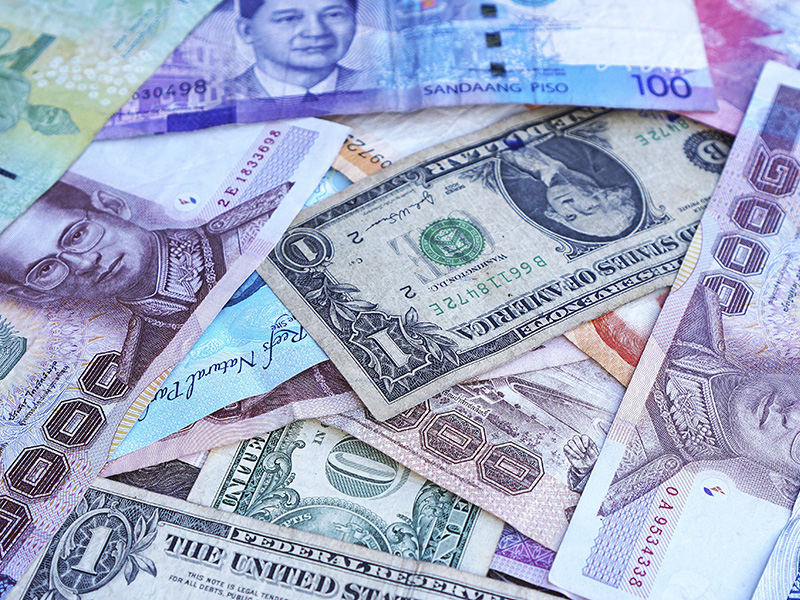
North Korea’s Wonky Currency Politics
Posted on Author Adam Zivo
After a disastrous 2009 currency reform program, North Korean black market traders started storing their wealth in US dollars before shifting towards the Chinese yuan. What does this mean for North Korea and for the world more generally?
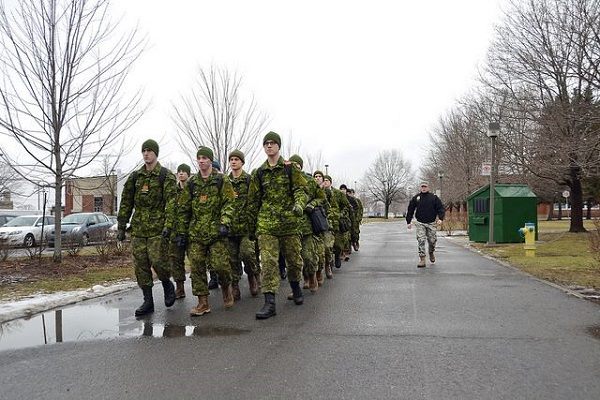
Saint-Jean Royal Military College’s return to university status
Posted on Author Nick Raffey
Nick Raffey discusses the significance of university status being restored at Royal Military College Saint-Jean.
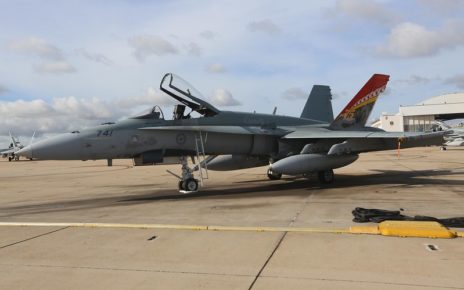
Canada Urgently Needs a National Security Policy
Posted on Author Joseph De Sapio
It has been a busy year for policymakers and strategic thinkers in Canada. Confronting Russian aggression in Europe, balancing the Chinese and Indian relationships, and isolating the Russian economy has proven to be difficult. Domestic unrest due to supply-chain disruptions and exorbitant energy and fuel cost increases has proven to be equally challenging in many Read More…