

NATO Association of Canada
The mission of NATO Association of Canada is to promote peace, prosperity, and security through knowledge and understanding of the importance of NATO.
We strive to educate and engage Canadians about NATO and NATO’s goal of peace, prosperity and security. NATO Association of Canada ensures that we have an informed citizenry able to contribute to discussions about Canada’s role on the world stage.
As a leading member of the Atlantic Treaty Association (ATA), NATO Association of Canada has strong and enduring ties with sister organizations in many of the alliance countries, as well as members of NATO’s “Partnership for Peace” and “Mediterranean Dialogue” programmes. The NAOC has had a leading role in the recent transformation and modernization of the ATA, and helped to create and develop the Youth Atlantic Treaty Association (YATA).
The NAOC has strong ties with the Government of Canada including Global Affairs Canada and the Department of National Defence. We are constantly working to create and maintain relationships with international organizations such as the World Bank Group, the European Bank of Reconstruction and Development, NATO Headquarters, the International Criminal Court, and other prominent international NGOs and think tanks.
Related Articles
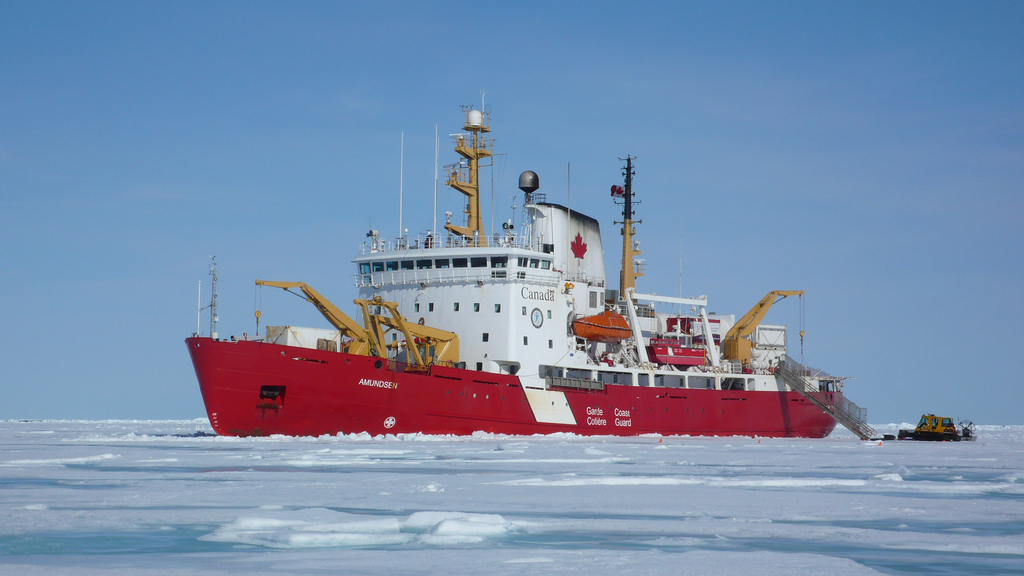
Empty Waters? The Arctic and Canada’s Coast Guard
Posted on Author Paul Pryce
In a series on Arctic security, Paul Pryce discusses the lack of a sustained Coast Guard presence in the Canadian and US-claimed areas of the Arctic.

Are Bitcoins for the Mainstream, and Are Governments Ready for Them
Posted on Author Carter Vance
Bitcoin and other so-called Crypto-currency have been a hot topic in the world of currency for many years but have stayed in a legal grey zone. Carter Vance examines how a decision by Australian authorities can be forging a new path to legitimize the currency.
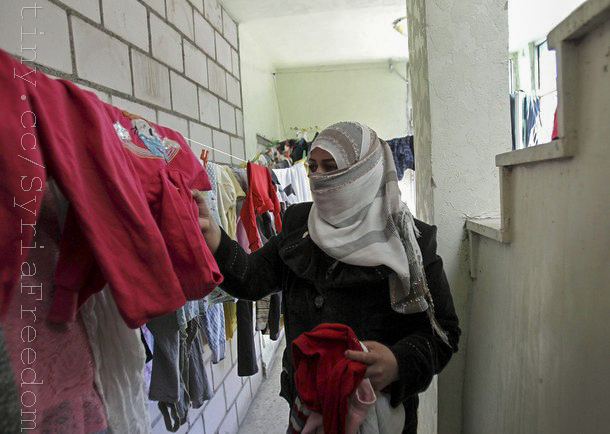
Women of Terrorist Organizations- How Women are being recruited
Posted on Author Mona Mamiche
The current atmosphere of international politics remains a strongly gendered environment in which women continue to be marginalized in both the job sector and within social spheres. The ongoing gendered viewpoint which places women in a position of vulnerability has, in part, contributed to women participating in or even conducting terrorist operations. The threat of Read More…