

NATO Association of Canada
The mission of NATO Association of Canada is to promote peace, prosperity, and security through knowledge and understanding of the importance of NATO.
We strive to educate and engage Canadians about NATO and NATO’s goal of peace, prosperity and security. NATO Association of Canada ensures that we have an informed citizenry able to contribute to discussions about Canada’s role on the world stage.
As a leading member of the Atlantic Treaty Association (ATA), NATO Association of Canada has strong and enduring ties with sister organizations in many of the alliance countries, as well as members of NATO’s “Partnership for Peace” and “Mediterranean Dialogue” programmes. The NAOC has had a leading role in the recent transformation and modernization of the ATA, and helped to create and develop the Youth Atlantic Treaty Association (YATA).
The NAOC has strong ties with the Government of Canada including Global Affairs Canada and the Department of National Defence. We are constantly working to create and maintain relationships with international organizations such as the World Bank Group, the European Bank of Reconstruction and Development, NATO Headquarters, the International Criminal Court, and other prominent international NGOs and think tanks.
Related Articles

Caught between Allies and Autonomy: What the F-35 vs Gripen Dilemma means for Canada’s Defence and Security
Posted on Author Gio kaikatsishvili
Canada’s decision to replace its aging CF-18 fleet has taken on new geopolitical weight. Initially committed to procuring 88 F-35s, Ottawa began reconsidering further orders in 2025 amid deteriorating US-Canada relations, turning its attention to Sweden’s Gripen as an alternative. This article evaluates the two programs across four dimensions: homeland defence, alliance interoperability, industrial sovereignty, and combat performance. It finds that while the F-35 offers superior stealth and NATO integration, the Gripen presents compelling advantages in Arctic operability, cost efficiency, and supply chain independence. Ultimately, the right choice depends on whether Canada prioritizes allied commitments or long-term defence autonomy.
Canadian Foreign Policy in the Federal Election: The Issues
Posted on Author Marta Canneri
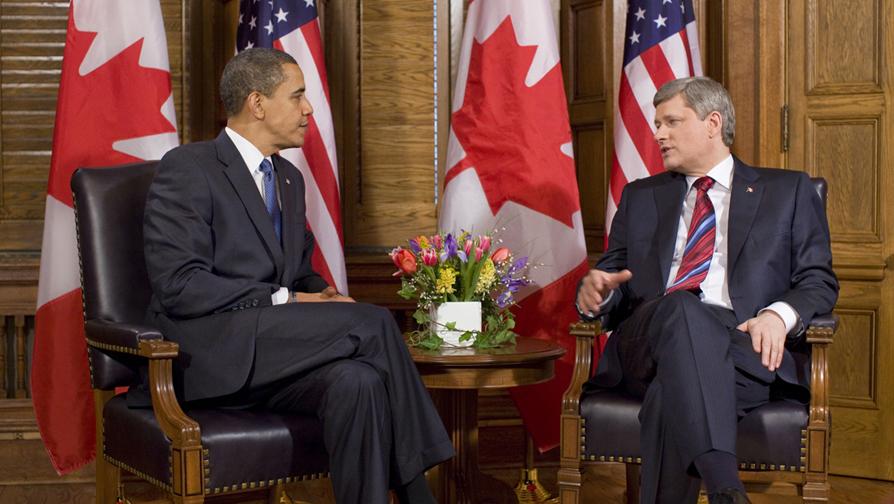
The upcoming Munk Debate on Foreign Policy, Canada’s first-ever federal election debate devoted to foreign policy issues, is scheduled to take place on Monday, September 28. This is a welcome addition to the election debate schedule, according to Munk Debates Chair, Rudyard Griffiths, who issued a press release arguing “too often, foreign policy issues have Read More…

Should NATO Treat Climate Data as Strategic Intelligence?
Posted on Author Aanvi Sharma
Should NATO Treat Climate Data as Strategic Intelligence? Climate change is recognised as a major threat that is shaping global security. Rising temperatures and extreme weather patterns are affecting economic stability and infrastructure resilience. As these risks become more frequent, climate data has become an important tool for anticipating these threats. Climate data is long-term Read More…