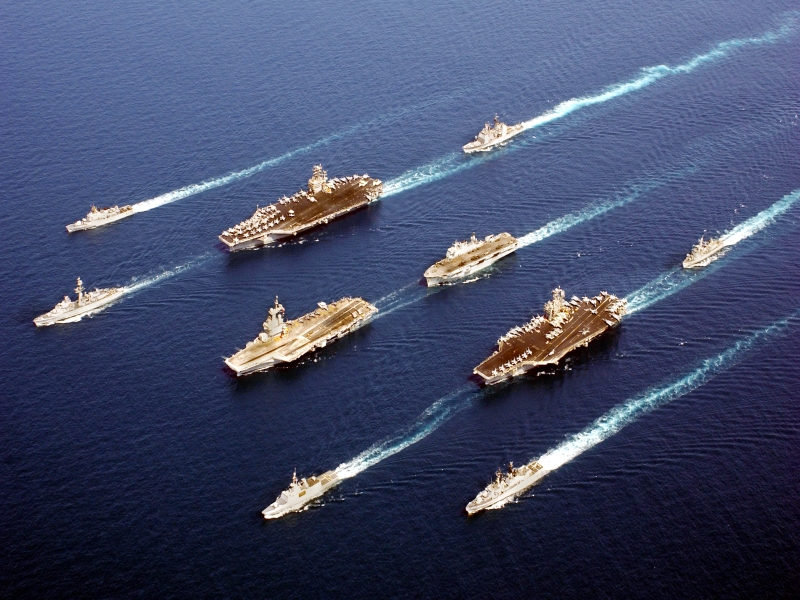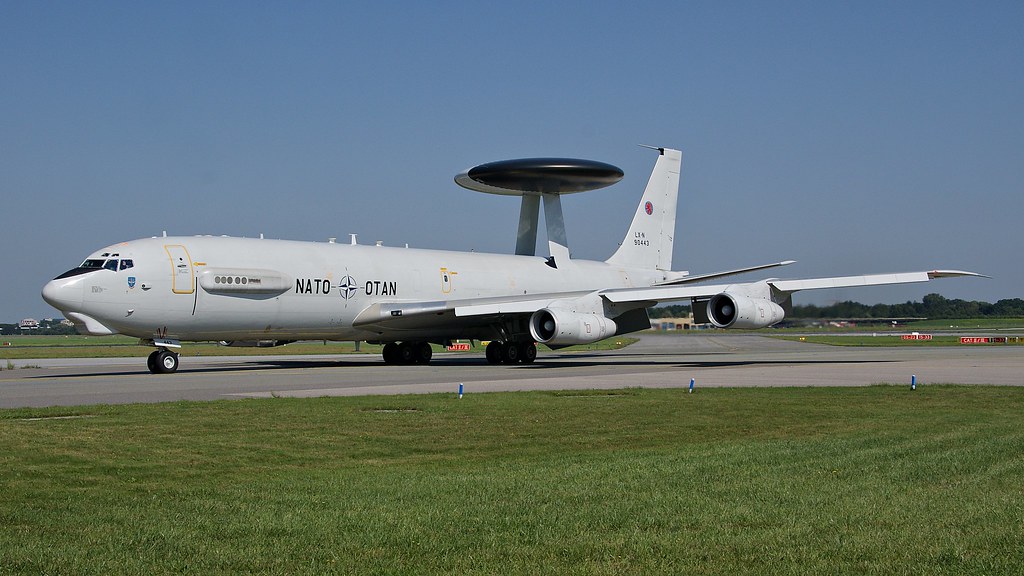
When the Treaty of Brussels was signed on August 25, 1948, the world was, geopolitically speaking, a strikingly different place. Just three years prior, Germany had signed its unconditional surrender, officially ending a war that left upwards of 60 million killed. When informed by advisors that Soviet forces were a day’s march from Berlin, Hitler Read More…
Tag: Russia
Escaping the Canteen: The Rise of Post-Soviet Cuisine
David Lazzam explores the cultural growth that has emerged in Russian cuisine since the fall of the Soviet Union.
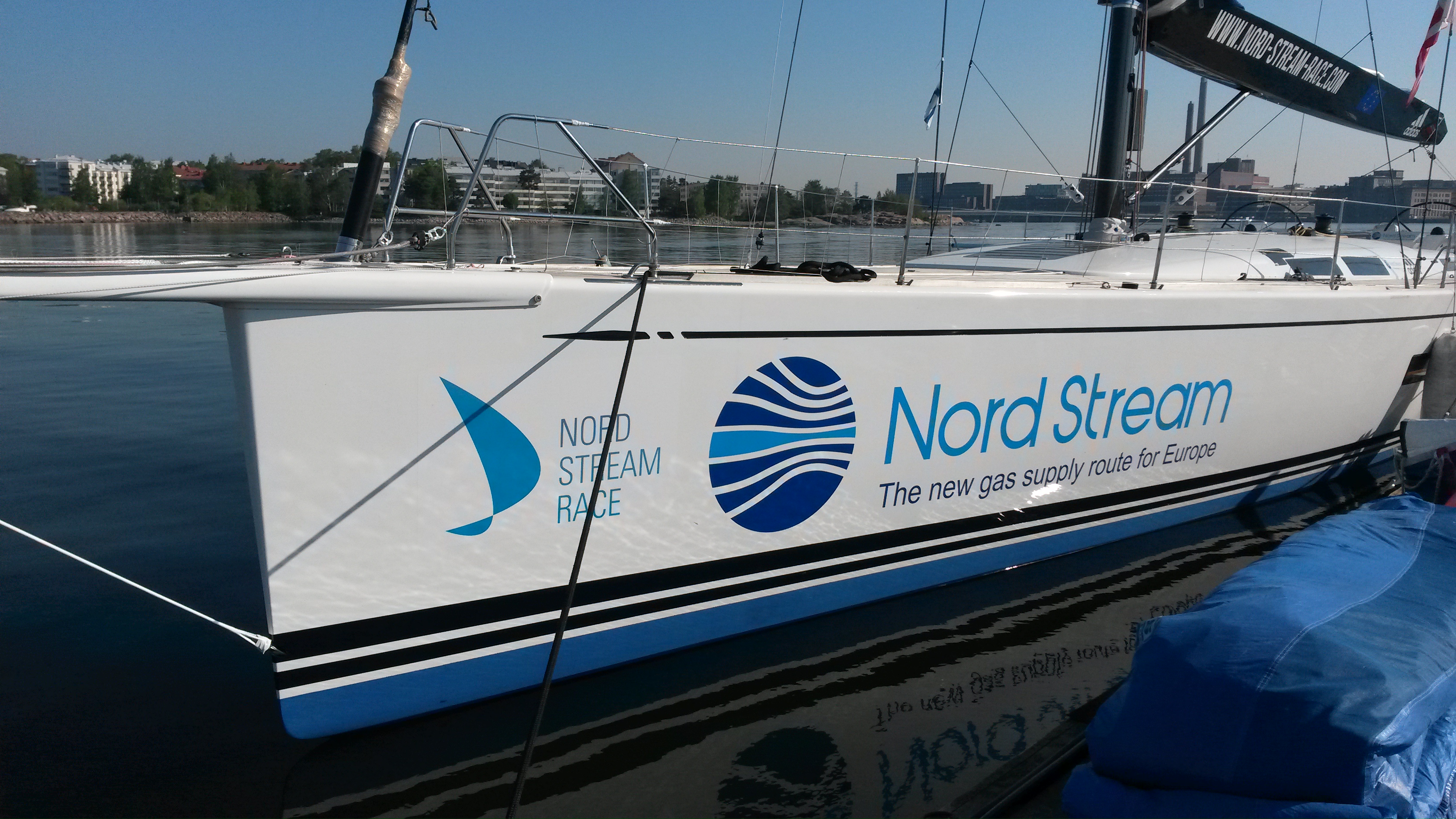
Nord Stream 2: Is Western Europe caught in a Russian trap?
In this article, Dakota Bewley investigated the implications of Nord Stream 2. How will Moscow use its dominant market position to exert influence in Europe?
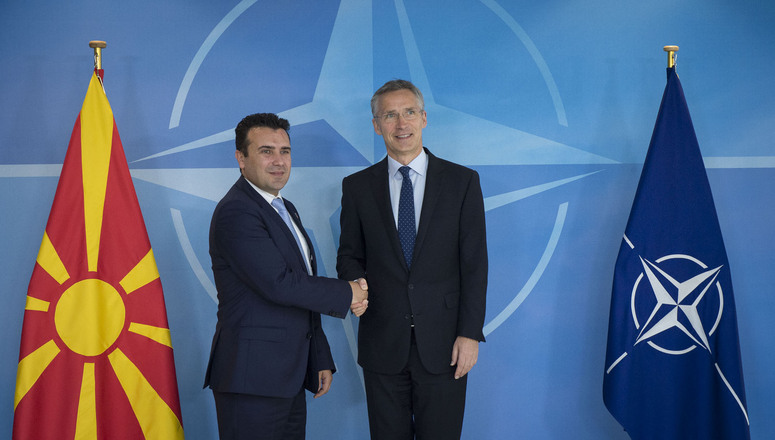
NATO Welcomes North Macedonia
Naz Gocek discusses the accession of North Macedonia to NATO and examines its geopolitical impacts
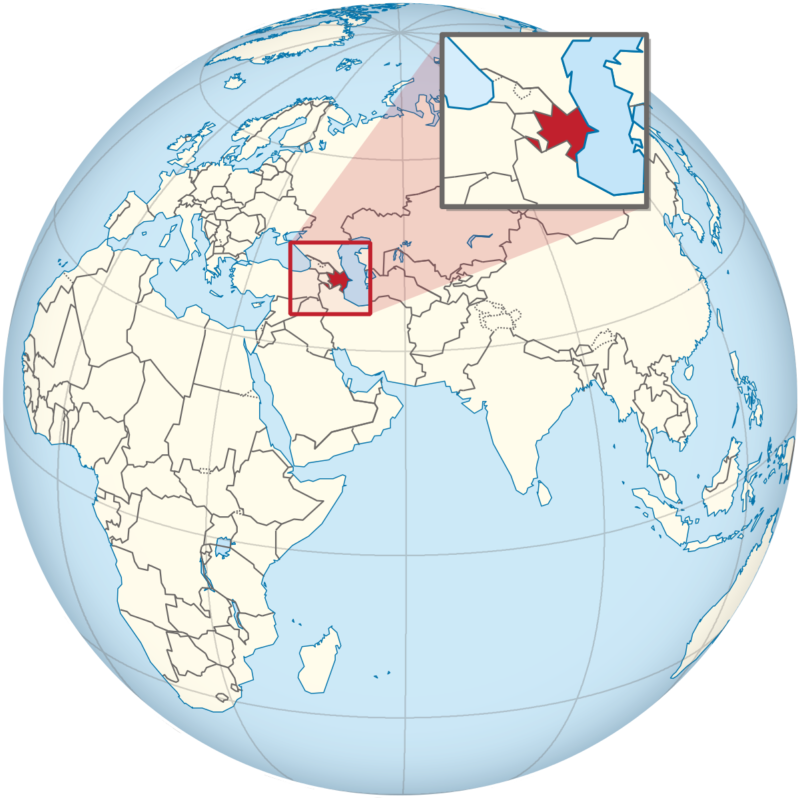
Momentum Accelerates for the Trans-Caspian Gas Pipeline
Momentum accelerated over the past month pointing towards the implementation, sooner rather than later, of the Trans-Caspian Gas Pipeline (TCGP). Already last summer the signature of the Convention on the Legal Status of the Caspian Sea established that neither Russia nor Iran would be able to block the construction of the pipeline. This even confirms Read More…
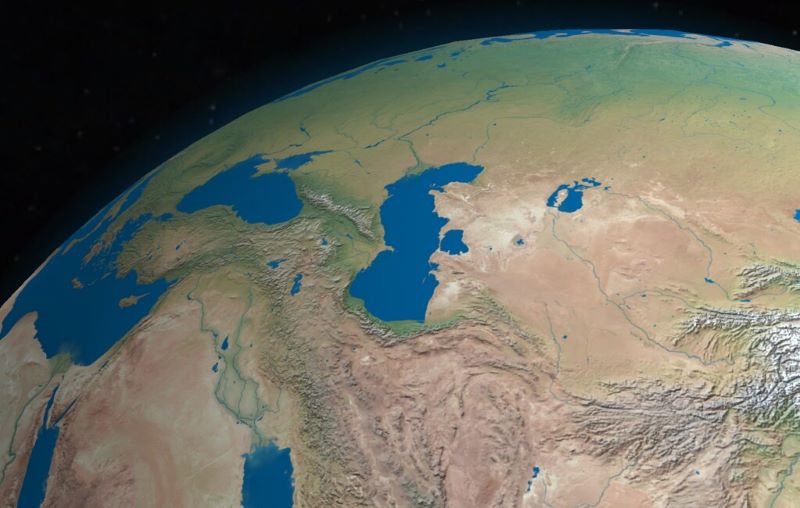
Russia Promotes Caspian Economic Cooperation
Diplomatic momentum is gaining on all fronts in favor of the Trans-Caspian Gas Pipeline (TCGP) between Turkmenistan and Azerbaijan. Both Russian and American diplomats tacitly agree that this is a positive development. Thus last week the new U.S. Ambassador to Georgia (and former Ambassador to Azerbaijan) Ross Wilson publicly stated that “transport projects implemented jointly Read More…
Welcome to a Post-INF World
Whither the INF Treaty? The Trump administration has announced that America will withdraw from the treaty. NATO endorses Washington’s finding that Russia is non-compliant. Major dilemmas await Washington and Europe in a post-INF Treaty world.
The Southern Gas Corridor in 2018 and Prospects for 2019
This article is an end-of-year review looking at the EU’s and Turkey’s position in three potential maritime conflict situations: first, the Caspian Sea basin; and then the Black Sea and East Mediterranean basins together. The most significant development in Caspian Sea energy in 2018 was the signature of the Convention on the Status of the Read More…
Can A Multilateral Security Organization, Modeled on NATO, Be Established in Northeast Asia?
NATO has always been a collective defence organization, aimed at repelling an external threat to Alliance members. However, ever since the Harmel Report of 1967, and certainly since the end of the Cold War, NATO’s purview has widened to include a much more prominent diplomatic role, related to a much broader understanding of what constitutes a security concern, without compromising its original mission. Changsung Lee considers whether this latter-day understanding of NATO’s purpose might serve as a template for a future multilateral security structure in Northeast Asia that could facilitate a rules-based order in that region, and perhaps help catalyze the reunification of the Korean Peninsula.
Testing NATO’s limits: Actionable Policy vs. Deterrence and Soft Power
Is NATO doing enough? In this comprehensive piece, analyst and program editor Taylor Allen critically analyzes bilateral relations between NATO and Russia amidst growing tensions over the past decade.