Alexander Martin Cyber Security and Emerging Threats

Science, Technology, and Strategic Foresight: Strengthening NATO for a Complex Future

This year was a big moment for science and technology (S&T) within NATO. On July 1, 2025, the Alliance designated Steen Søndergaard as its new Chief Scientist, taking over from Dr. Bryan Wells in order to bring a fresh approach to NATO’s S&T efforts. At the 2025 NATO Summit at The Hague, the Allies agreed Read More…

Cyber Security and Emerging Threats Jeremy Ofwono

From “Free Rider” to Frontline Partner: Canada’s Road to NATO 2% and Beyond

In January, U.S. President Donald Trump urged NATO members to lift defence spending from the long-standing 2 per cent goal to 5 per cent of GDP.  This was met with sharp criticism in Europe, and NATO officials dismissed the idea as unrealistic. No ally, including the United States, spends anywhere near 5 per cent; only Read More…

Security, Trade and the Economy

NATO’s Defence Spending Surge Is a Smart Move – But Can Europe and Canada Keep Up?  

In June 2025, during the NATO summit in The Hague, the alliance agreed to a massive increase in defence spending, committing to reach the 5% goal by 2035. This article examines why Canada and the EU must match their rhetoric with resolve and highlights effective avenues for achieving higher defence investment.

Uncategorized

Special Report: Staying in the Game – Canada’s Past, Present, and Future NATO Commitments

Since the early 1950s, Canada has consistently deployed elements of the Canadian Army, the Royal Canadian Air Force (RCAF), and the Royal Canadian Navy (RCN) in support of NATO operations. All military acts, be they waging war or preparing for it, are in furtherance of political objectives. In this vein, Canadian force commitments to NATO Read More…

Karla Garcia Society, Culture, and Security

The Authoritarian Drift of Trump’s Second Term

With 142 executive orders signed in just 100 days, President Trump’s second term opened with a rapid consolidation of executive power. The orders targeted such key areas as border enforcement, foreign aid, and commitments to international institutions.  Immigration policy quickly emerged as a key instrument of executive overreach. Building on the hardline stance of Donald Read More…

Previous Events

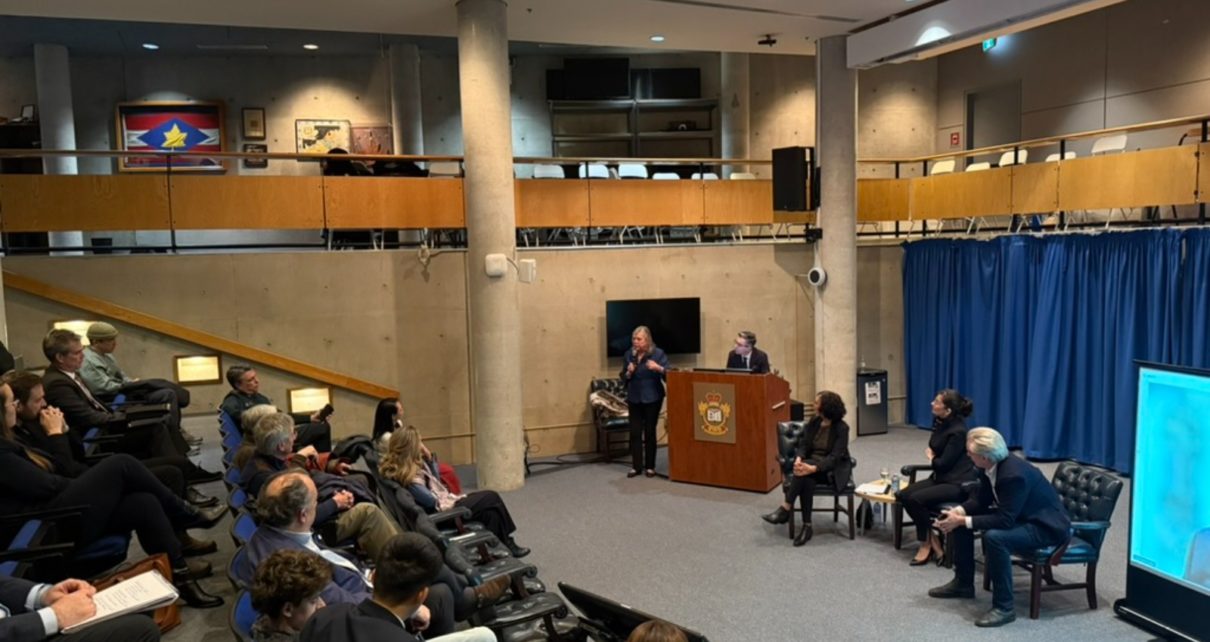
In Conversation with The Honourable Bill Blair and Lieutenant-Colonel Melanie Lake: Reflections on Canada’s Support for Ukraine

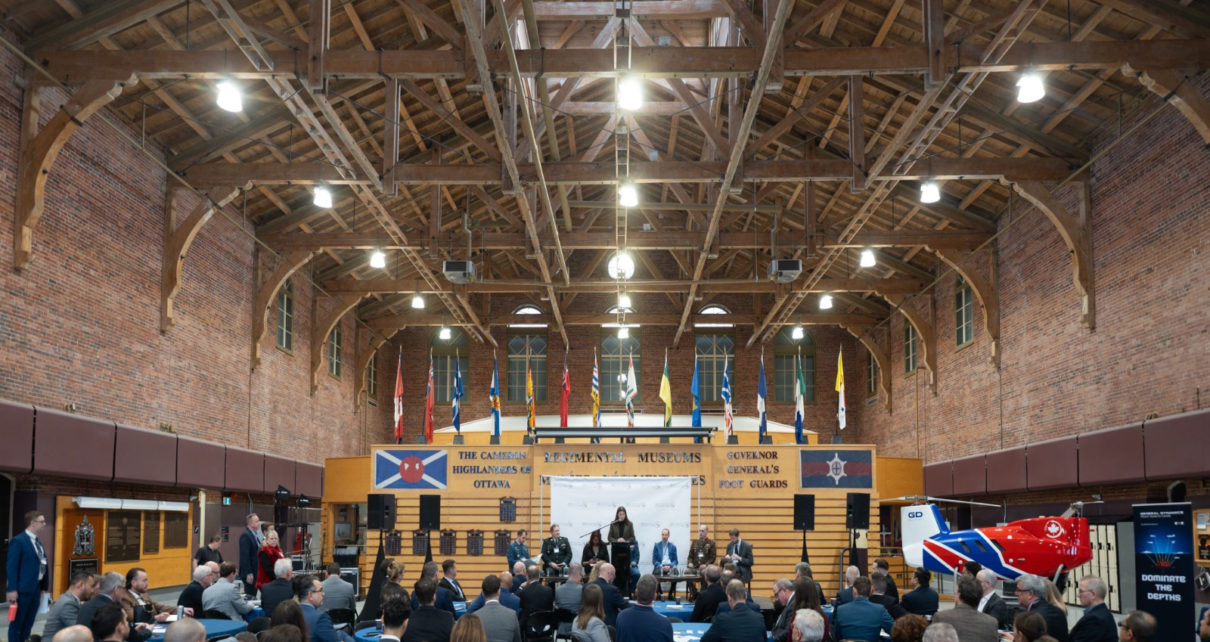
On July 11, 2025, the NATO Association of Canada, in partnership with the Ukrainian War Veterans Association of Canada and the Canadian Forces College Foundation, organized a discussion focused on Canada’s military support for Ukraine. This publication provides an event summary and reflects on the need for sustained support for Ukraine’s resistance to Russian aggression, alongside the importance of strengthening Canada’s own military capabilities.

Security, Trade and the Economy

Financing the enemy: The limits of NATO’s strategic decoupling from Russian fossil fuels 

Despite vocally supporting Ukraine, between February 2022 and February 2025, NATO countries paid more to Russia for energy imports than they provided in aid to Ukraine. This article analyzes the limits of NATO’s strategic decoupling from Russian fossil fuels and proposes concrete steps the alliance as a whole, and Canada in particular, should take to tackle this problem.

Centre For Disinformation Studies Patrick Samaha

Weaponized AI: The New Frontline in Global Disinformation Warfare

Synthetic video content has become a permanent feature of today’s digital ecosystem, subtly shaping perceptions and influencing political and social decisions. Alongside this, hybrid warfare, blending conventional military tactics with cyberattacks and disinformation, has become a key strategy for adversaries. By exploiting the openness and connectivity of modern societies, these methods destabilize governments and deepen Read More…

Security, Trade and the Economy

The U.S.-Ukraine Mineral Deal: Economic Commitment and America’s Stake in the Euro-Atlantic Future 

This article analyzes the U.S.-Ukraine mineral deal – a diplomatic success for Ukraine that nonetheless signals a transition to a more restrained U.S. approach to global defense. It argues that other NATO members must step up to safeguard collective security and work toward fostering mutually beneficial economic cooperation within the alliance.