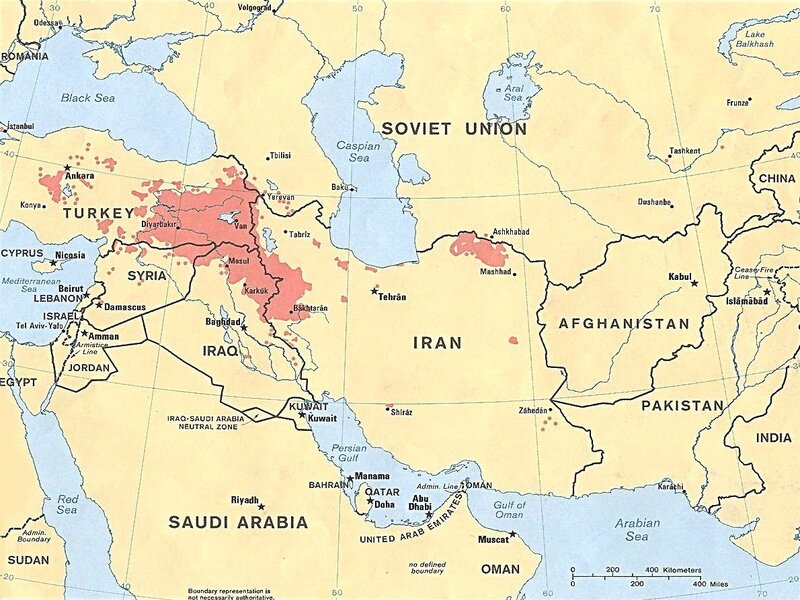
Conflict follows the currents of scarcity, and NATO must navigate a world where the most dangerous battles are fought over what no longer flows freely. These behaviours signal a shift in how conflict will unfold: not only through conventional force, but through the manipulation, withholding, and weaponization of essential resources. This article explores three plausible scenarios – oil dominance, water ascendancy, and a dual‑pressure world – to map how resource hoarding could shape the next generation of conflict in the Middle East and beyond, and what this means for NATO’s strategic posture in the decades ahead.
Tag: Middle East
Les algorithmes au pouvoir : comment l’IA redéfinit la guerre de l’information?
Dans l’espace numérique, l’information circule à une vitesse inédite. Les réseaux sociaux permettent à chacun de diffuser des contenus en quelques secondes auprès d’un public mondial, favorisant les échanges d’idées à grande échelle. Pourtant, ils facilitent aussi la propagation de contenus trompeurs. Avec l’essor de l’intelligence artificielle (IA), cette réalité a franchi un nouveau cap Read More…
Securing Canadian Interests Under the Second Trump Administration: The Need for An Attitude Adjustment
On January 20th, 2025, Donald Trump was officially sworn in as the President of the United States for his second term after winning the 2024 US election. With this, a new age of global politics is in the offing. Trump’s policies during his first administration were largely guided by an “America First” agenda, reflecting a Read More…
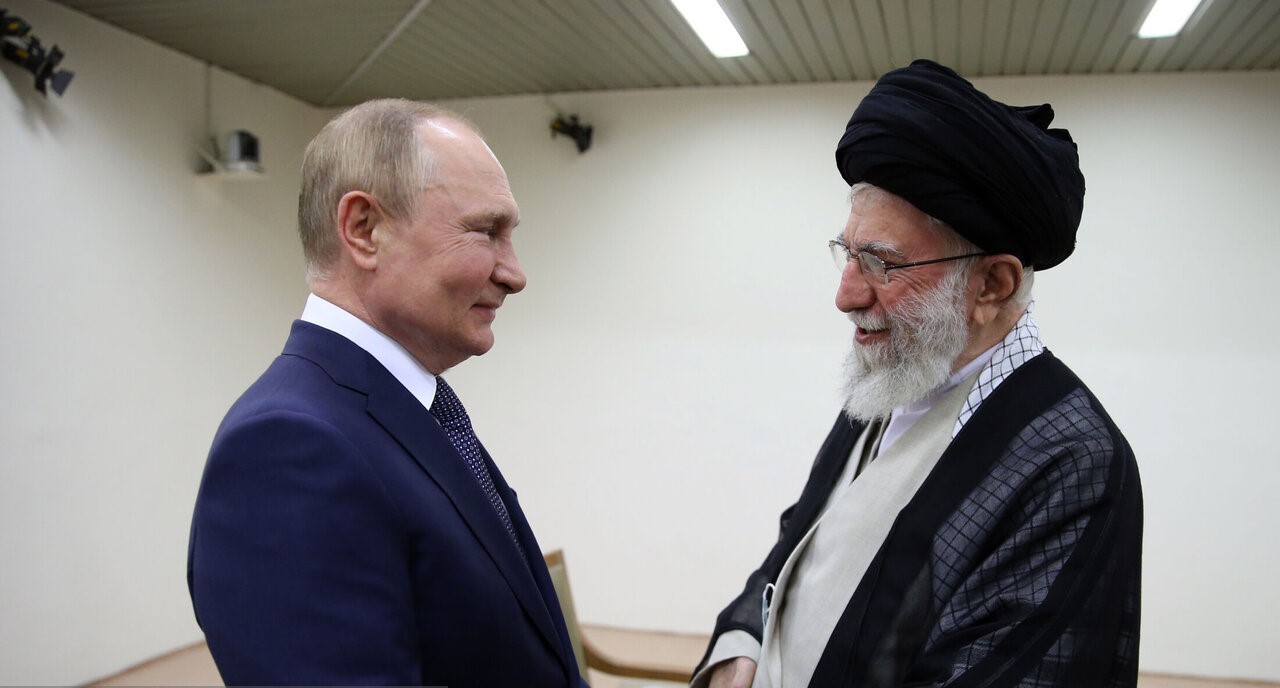
Bridging Shortfalls: An Analysis of the Strategic Exchange between Russia and Iran
Amidst the tumult of conflict in Ukraine and instability in the Middle East, the partnership between Russia and Iran is at a historic juncture and is ripe for potential multifaceted cooperation. With Western sanctions, defence production and supply vulnerabilities persist for both these states, which seek to advance their respective interests and authoritarian model of Read More…
Canada’s Conundrum: Peace and Profits
Abstract: NATO’s recent discussion of arms control brings to light Canada’s role in the issue. Last year, NATO and the UN took part in the Eighth Biennial Meeting of State Parties to discuss how to combat the illicit sale of arms. During the meeting, the Deputy Director of Arms Control Directorate at the Political Affairs and Security Read More…
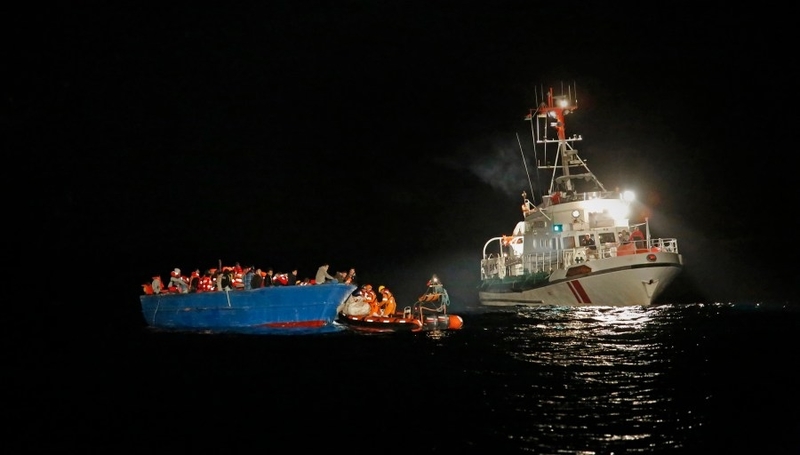
A Terrorist’s Tempest: The Challenge of Operation Sea Guardian
As Europe confronts Jihadists from across the Mediterranean, Arjun Singh lays out measures to upgrade NATO’s maritime operation for better European security.
The Islamic State Mounts a Resurgence Amid COVID-19
The Islamic State (IS) may not occupy as much contiguous territory as it once did, but that has not diminished its resolve to spread global terror. Emily Mullin examines how the jihadist group is exploiting COVID-19 to gain respite, and what this means for NATO operations in the Middle East.
The United State’s Changing Strategy towards the Middle East
In this article, James Cho argues that the first step of understanding a nation’s behaviour is to understand its interest. He suggests that the the U.S’s changing strategy towards the Middle East is an example.
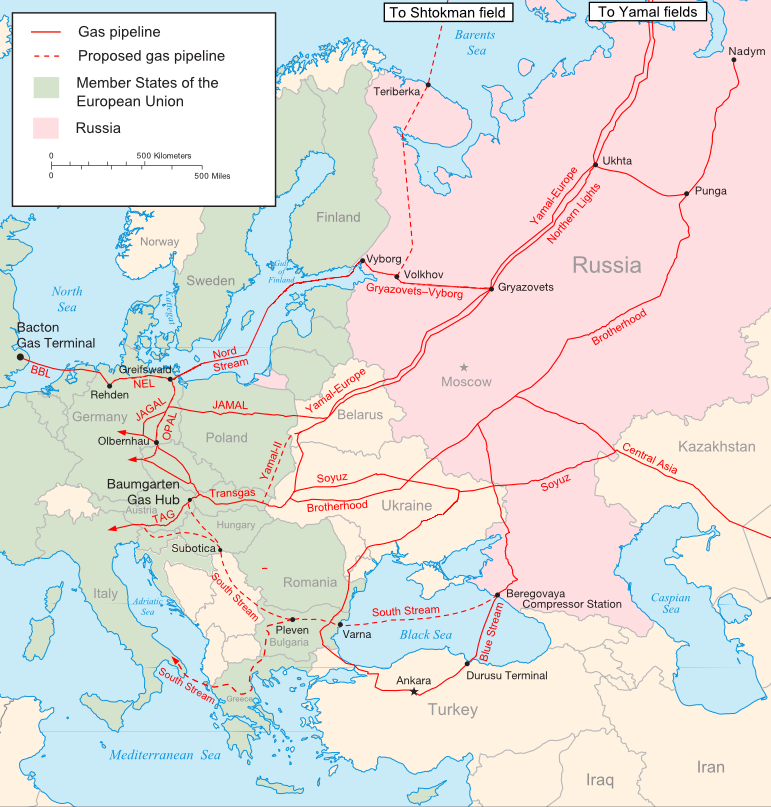
European Natural Gas Geopolitics on a Collision Course?
Following the Dutch discovery of the Groningen field, and British, Norwegian and Danish discoveries in the North Sea during the 1960s and 1970s, natural gas appeared to offer Europe an opportunity to decrease its dependence on Middle Eastern oil. However, demand for gas quickly outpaced supply, leading West European buyers increasingly to rely on Soviet Read More…
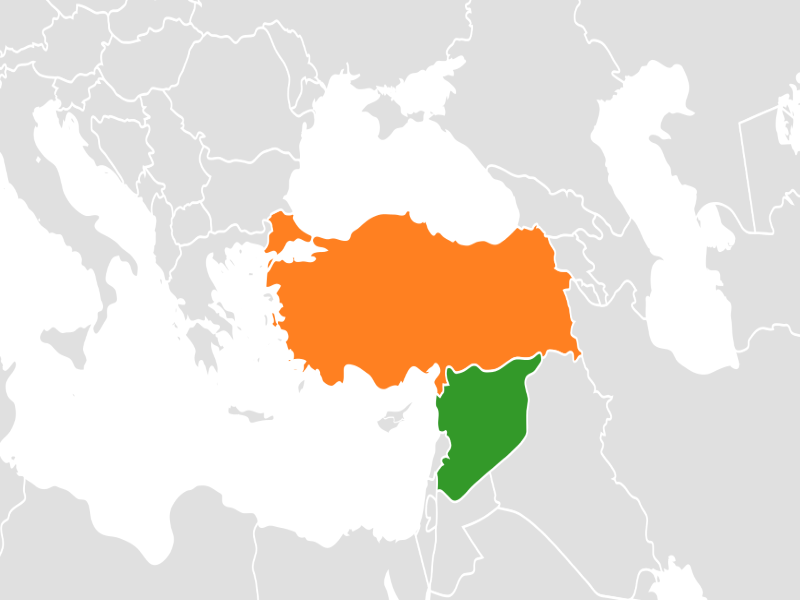
Climate Change: An Unspoken Factor in the Syrian Civil War
Climate change crises are on the rise around the world, primarily in the Middle East and North Africa. In Syria, the loss of resources and the increasing number of IDPs are increasing the countries’ ever prevalent vulnerability, making it one of the most daunting humanitarian crises of our time.