The global transition to clean energy is accelerating demand for critical minerals, placing Canada at the center of opportunity and environmental risk. Partnerships centered on critical minerals for the green energy transition require expanded mining and resource extraction, which can lead to land degradation, water contamination, and biodiversity loss. Canada has increasingly prioritized the development of these resources as part of its strategy to support clean technologies and global supply chains. The Government of Canada’s Critical Minerals Strategy aims to position the country as a global supplier of minerals essential for clean technologies, such as electric vehicles, wind turbines, and digital infrastructure, while strengthening domestic extraction.
At the same time, Canada’s foreign policy has focused on international partnerships to secure these supply chains. Prime Minister Mark Carney has recently pursued energy and resource diversification through a series of international agreements. These include oil and energy cooperation with India, expanding critical minerals trade with Japan and Australia, forging a partnership with Qatar and Switzerland, and a renewed clean-energy and trade partnership with China. These are clean efforts being made to diversify Canada’s trade relationships and attract investment in key sectors, including energy, natural resources, and advanced technologies. These initiatives highlight Canada’s strategy to deepen global partnerships and expand opportunities in resource development. While these partnerships may strengthen Canada’s role in the global energy transition, they also imply an expansion of mineral extraction and mining activities within Canada and abroad. As demand for critical minerals continues to rise, increased extraction may intensify environmental pressure on ecosystems, which leads to rising concerns about the long-term environmental impacts of resource-based clean-energy strategies.
The expansion of mining for critical minerals used in clean energy technologies poses significant risks to water systems and surrounding ecosystems. Extracting minerals requires large quantities of water for processing, cooling equipment, and separating ores. As a result, mining operations can strain limited freshwater resources and increase competition for water between industry, agriculture, and local communities. Waste products from mining, including residual minerals, chemicals, and heavy metals, can also contaminate nearby rivers, groundwater, and drinking water supplies. Toxic runoff from mining waste has polluted freshwater sources used for farming and livestock, demonstrating how resource extraction can affect both ecosystems and human livelihoods.
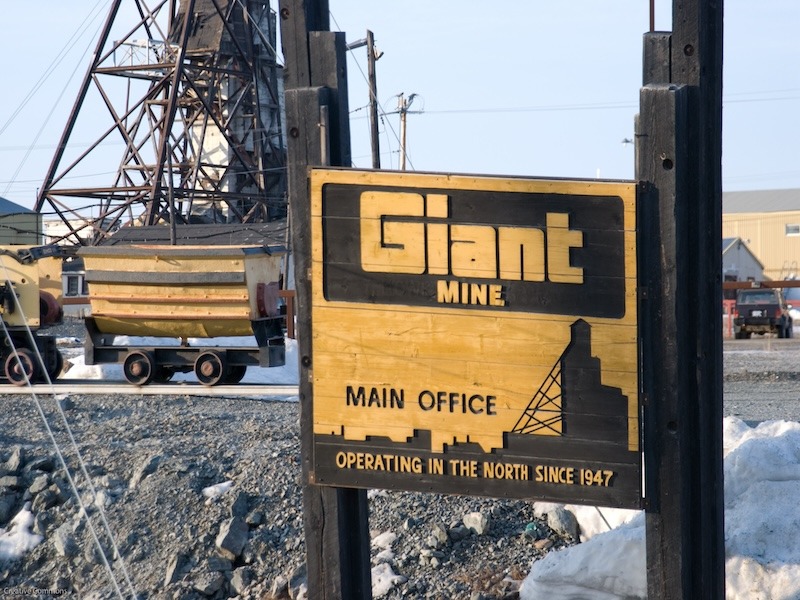
Historic mining projects demonstrate how environmental damage can persist long after source extraction has ended. For instance, abandoned mining sites in Northern Canada contain toxic waste that poses long-term risks to surrounding ecosystems and freshwater systems. Another example is Giant Mine, which contains more than 200,000 tonnes of arsenic trioxide stored underground, a toxic by-product of historical gold mining. Managing and containing this hazardous waste has become one of Canada’s most complex environmental remediation projects. As Canada seeks to expand its role as a global supplier of critical minerals, these environmental considerations highlight the importance of carefully managing resource development to avoid irreversible damage to some of the world’s most valuable natural ecosystems. Thus, Canada faces a policy challenge: balancing the economic opportunities created by supplying critical minerals for the global clean-energy transition with the need to protect its natural environment and ecosystem.
Canada’s growing role in the global supply of critical minerals means that many of the environmental impacts associated with mining will occur within Canadian ecosystems. According to the Government of Canada’s Critical Minerals Strategy, Canada already produces more than 60 minerals and metals, being a leading nation for critical minerals, including nickel, uranium, aluminum, and potash. Therefore, it aims to expand exploration, mining, and processing to strengthen its position in global supply chains for clean-energy technologies. However, increased extraction may place pressure on Canada’s forests, wetlands, and freshwater systems, which are among the largest in the world. Approximately 40% of Canada’s land area is covered by forests, representing 10% of the world’s total forest cover, while the country contains 20% of the global freshwater resources. These ecosystems play a crucial role in regulating climate, storing carbon, and supporting biodiversity. However, increased industrial development can disrupt these natural systems.
While partnerships strengthen Canada’s economic position and deepen international relationships, these partnerships highlight an important policy dilemma for Canada. On one hand, supplying critical minerals allows Canada to contribute to the global energy transition, while on the other hand, the environmental impacts associated with increased extraction raise questions about whether resource-intensive pathways to clean energy are fully sustainable. As Canada deepens its international partnerships and expands its role in critical mineral supply chains, policymakers must therefore balance economic and strategic objectives with the need to protect ecosystems, freshwater resources, and biodiversity for future generations. Thus, achieving this balance will require stronger environmental governance, improved regulatory oversight, and investment in cleaner extraction technologies. Lastly, meaningful engagement with Indigenous communities and transparent benefits of critical mineral development that do not come at the expense of long-term ecological stability will ensure an equitable, sustainable, and resilient approach.
Image credit: Giant Mine 1 (2 May 2008), depicting the Giant Mine site in Yellowknife, Northwest Territories, by Marke Clinger via Wikimedia Commons. Licensed under CC BY 2.0
Disclaimer: Any views or opinions expressed in articles are solely those of the author and do not necessarily represent the views of the NATO Association of Canada.