Centre For Disinformation Studies Tisya Raina

Canada’s Struggle to Combat Information Disorder

In an age where digital information disorder spreads faster than ever, Canada faces mounting challenges in regulating the flow of misleading content. As a NATO member, its battle against MDM (misinformation, disinformation, and malinformation) is not just a domestic issue—it is an integral part of the alliance’s broader efforts to combat hybrid warfare. The struggle Read More…

Security, Trade and the Economy

On Guard with Thee: Why Canada Should Join the European Union

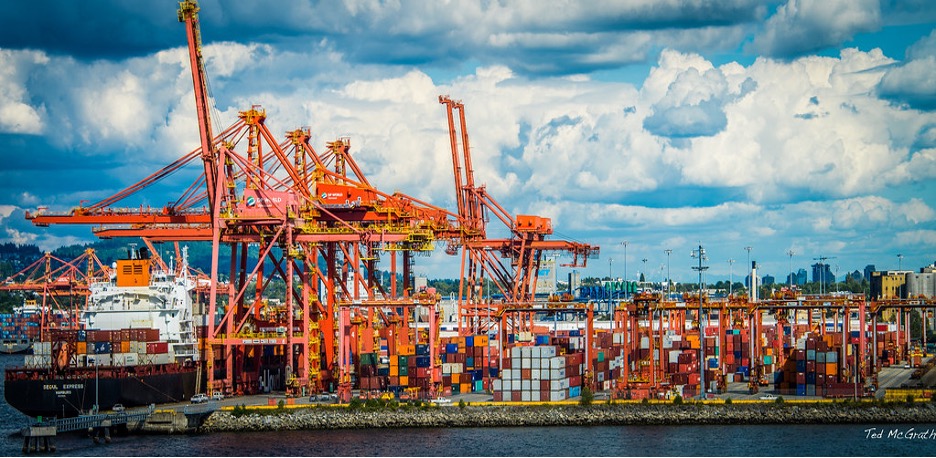
President Donald Trump’s promise to delay imposing tariffs on Canadian goods caused many Canadians to breathe a sigh of relief. With Canada seemingly uniting around the threat that the U.S. poses to our economic well-being, it seems like we are on course to diplomatically deal with this crisis and hopefully resume normal relations. Yet, with Read More…

Abbey Stroud Environment, Climate Change, and Security

How Climate Change-Related Disasters are Affecting Canadians and Trade Partners

In the wake of the first 12 month period to exceed a global average temperature of 1.5 degrees celsius, the world is seeing an increase in natural disasters related to climate change. From February 2023 to January 2024, the global temperature exceeded the average temperature prior to the industrial revolution by 1.52°C. The United Nations Read More…

Cyber Security and Emerging Threats Jeremy Ofwono

The Verdict of History: An Incomplete Peace Is a Dangerous Proposition

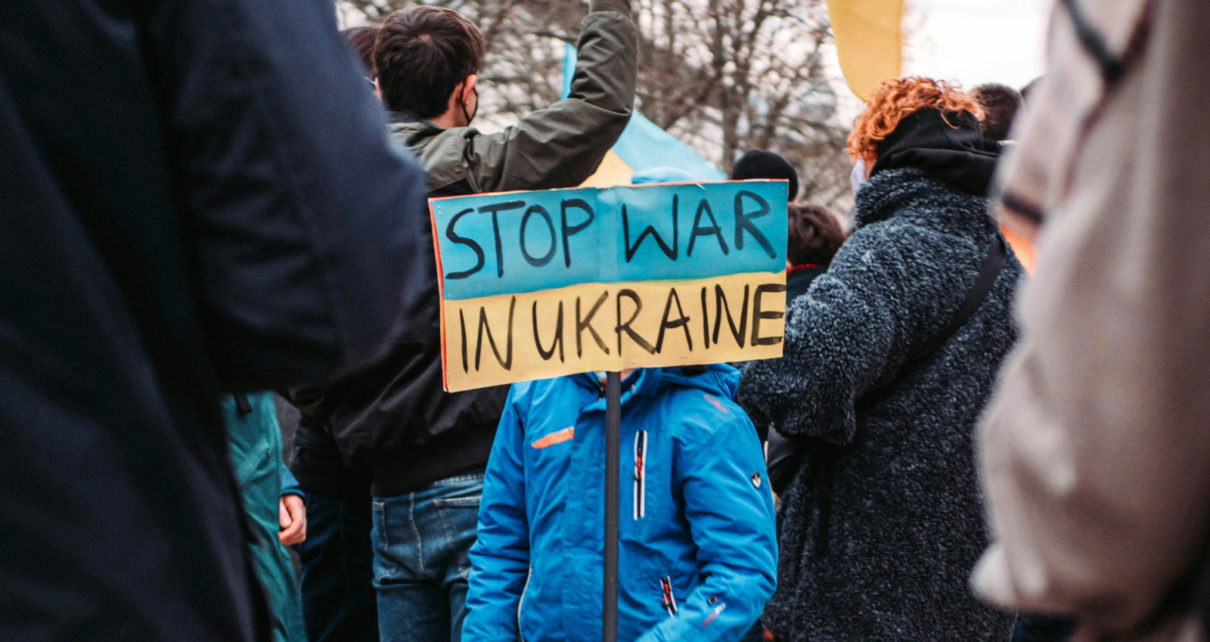
Since the Russian invasion of Ukraine began in 2014, Moscow’s aggression against its neighbour has gone through several significant phases, from the annexation of Crimea, to mounting insurgency in the Donbas, to its full-scale invasion of Ukraine proper in 2022 and a subsequent seesaw of back-and-forth offensives. With the Trump Administration in full swing, the Read More…

James Lautens Society, Culture, and Security

Conscription in NATO Countries: Why Do Some Have It and Others Don’t?

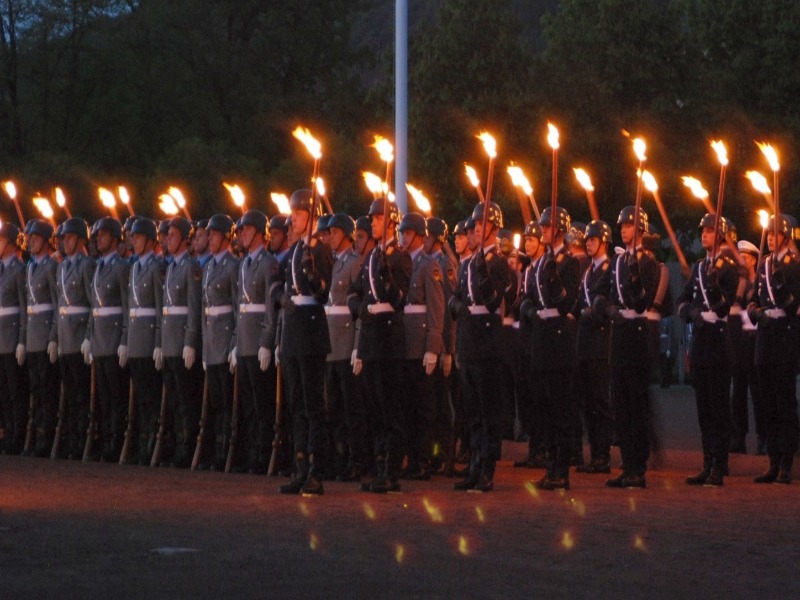
In his latest article, James Lautens explores the discussion around military conscription as a means of deterrence in global security. By comparing conscription policies in NATO countries, he outlines the cultural, political, geographic, and historical factors behind conscription policies and argues that, in an increasingly unstable world, Canada should consider all options – including conscription – to strengthen its defences.

Alexander Martin Cyber Security and Emerging Threats

Blockchain in the Trump Era: Shaping the Future of Global Economy and Security

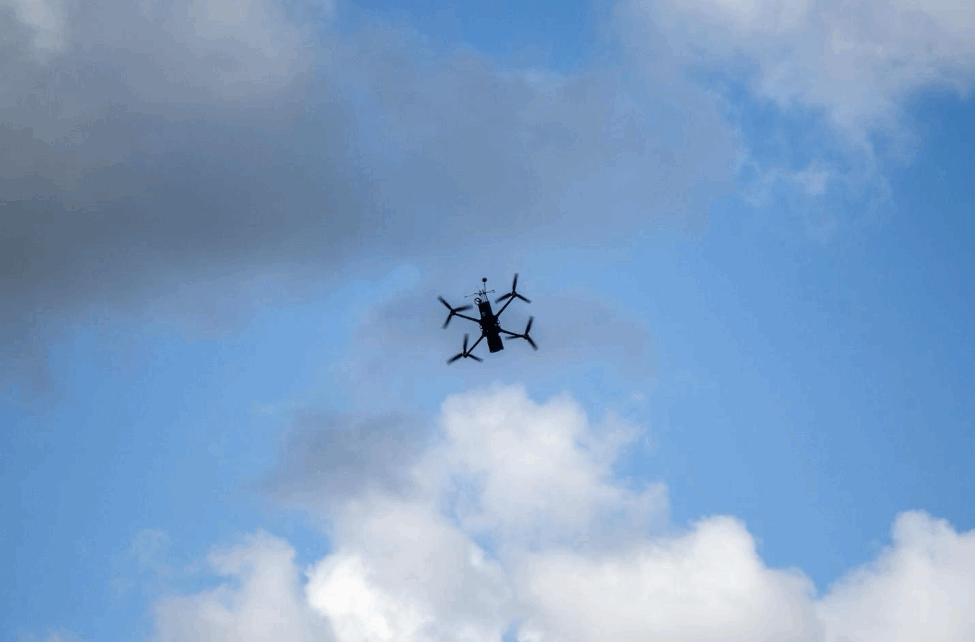
As the global landscape shifts under the Trump Administration, it is characterized by increasing political polarization, a focus on deregulation, and a growing interest in digital currencies and blockchain technologies. As a result, attention is now being paid to how these innovations could reshape the global economy and national security. The rising interest in digital Read More…

Environment, Climate Change, and Security

Clear Gold: The Role of Fresh Water in Canada’s Global Strategy

What role will fresh water play on the global stage? More specifically, how will the scarcity of freshwater affect strategic decision-making, especially in Canada? With the dangers of climate change looming in everyday life – wildfires that devastated parts of Los Angeles are one prime example – it is important for countries to think about Read More…

“Canadian Sikhs” (2008), by Medleyview Released via Flickr. Public Domain
Security, Trade and the Economy

Navigating Turbulent Waters: The Canada-India Rift and Its Implications for Trade, Security, and the Canadian Economy

Diplomatic relations between India and Canada, long characterized by shared traditions of democracy, pluralism, and strong interpersonal connections have hit rock bottom. This turmoil has sent ripples across critical domains, from trade and security to economic stability. The recent falling out stems from Canadian Prime Minister Justin Trudeau’s assertion of “credible intelligence” linking the Indian Read More…