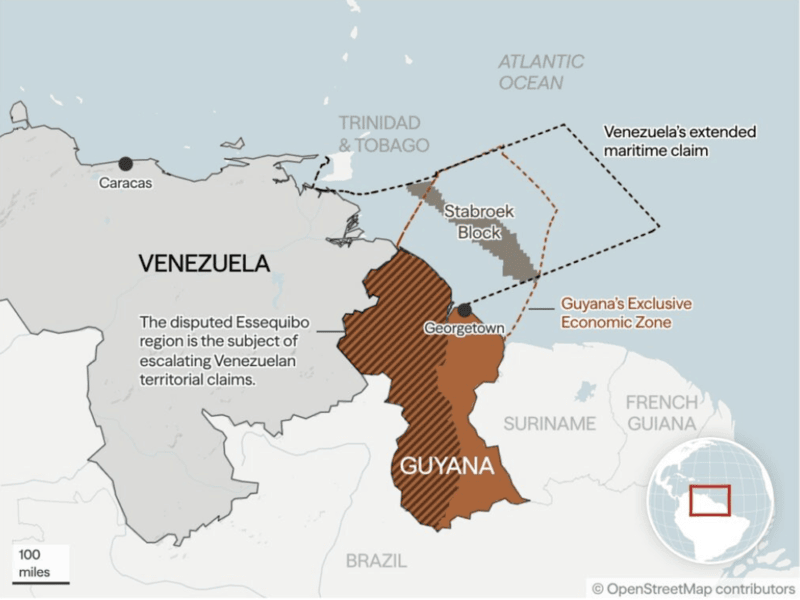
For decades, the Caribbean has shaped the world through its culture, cuisine, music, and vibrant traditions. Today, its influence is expanding into a new arena: energy, security, and strategic defence partnerships. The Essequibo dispute is no longer just a bilateral territorial disagreement. It has become a strategic issue with implications for energy security, great-power competition, and NATO’s wider security environment. In this special report, read how Guyana’s emergence as a major oil producer has elevated the geopolitical significance of the Guyana–Venezuela dispute, and why developments in the Caribbean now matter far beyond the region.
Tag: Energy Security
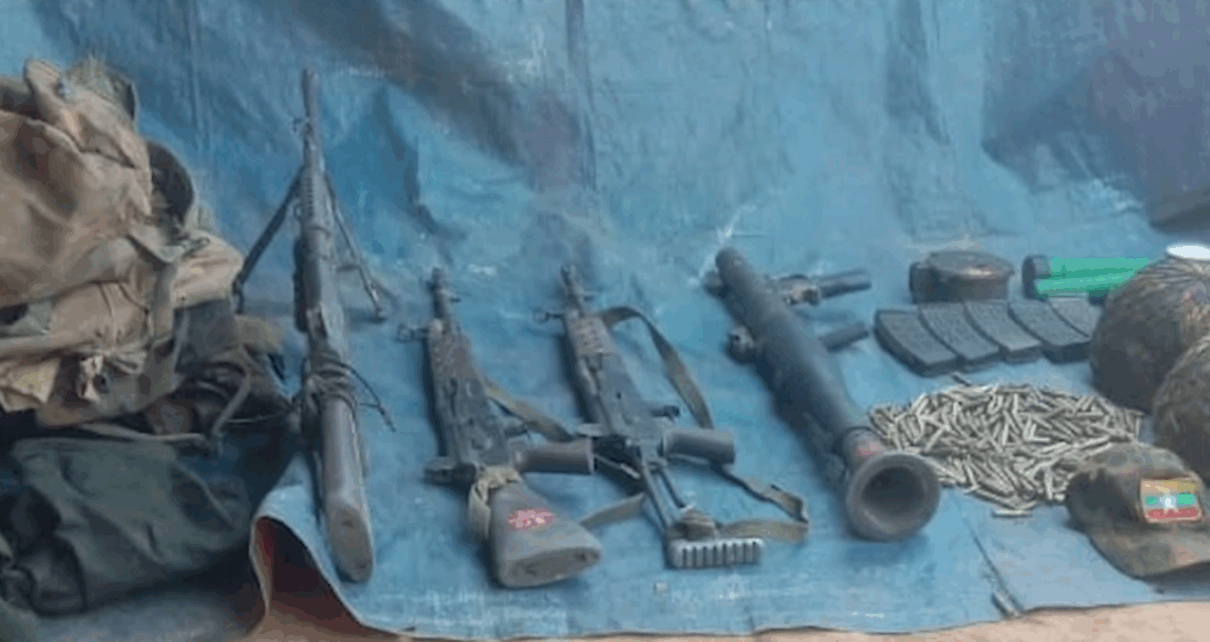
Energy Security and the Limits of Sanctions: Lessons from Myanmar
Despite extensive sanctions and international pressure following the 2021 military coup, Myanmar’s natural gas exports have continued to generate significant foreign currency revenues for the military government.
Using Myanmar as a case study, this article argues that the principal constraint on sanctions has not been a lack of legal authority or political will, but the realities of energy security. Myanmar’s offshore gas sector is deeply embedded within regional energy networks that continue to serve the strategic and economic interests of neighbouring states, creating dependencies that complicate efforts to disrupt those revenue streams.
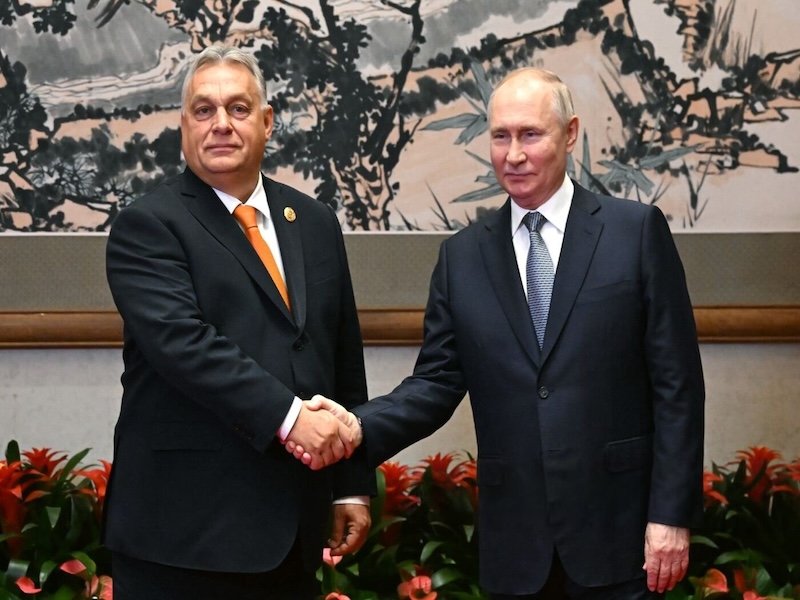
Fractures in Unity: Hungary, Slovakia, and Europe’s Energy Future
As Canada seeks to strengthen its ties with the EU, how does division in European energy policy and broader support for Ukraine affect transatlantic unity? In this article, our Junior Research Fellow Angelina Smolynec unpacks pipeline politics and explains why Hungary and Slovakia have deepened their ties with Moscow, while most of the EU has committed to phasing out Russian fuel.
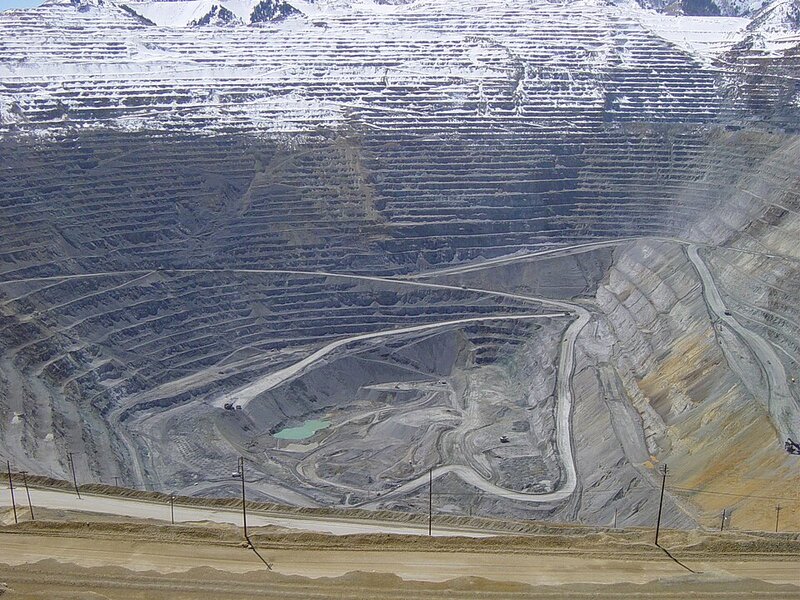
Rare Earth Resilience: How NATO Can Secure Its Technological Future Amid US-China Rivalry
As US-China rivalry escalates, China’s new export curbs on rare earths have exposed NATO’s dangerous dependence on external suppliers for the minerals underpinning its defence industries. Daniel Lincoln argues that the Alliance must develop a unified industrial strategy to secure access to critical materials, independent of both Washington and Beijing. By building diversified supply chains, joint stockpiles, and integrated processing capacity, he contends that NATO can turn resource vulnerability into strategic resilience.
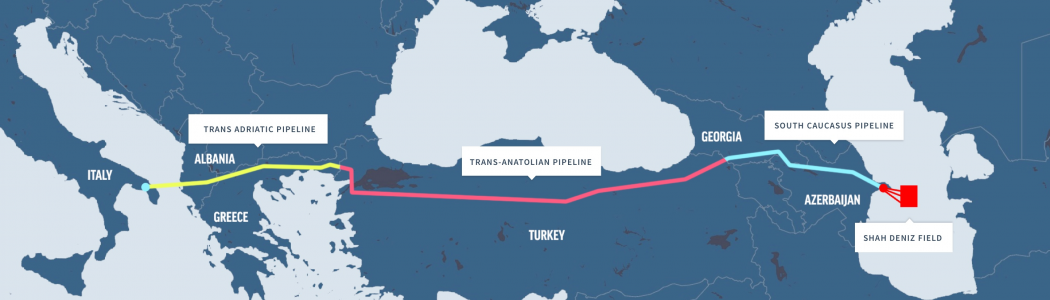
Italy Anchors Azerbaijan’s Gas Push to Europe
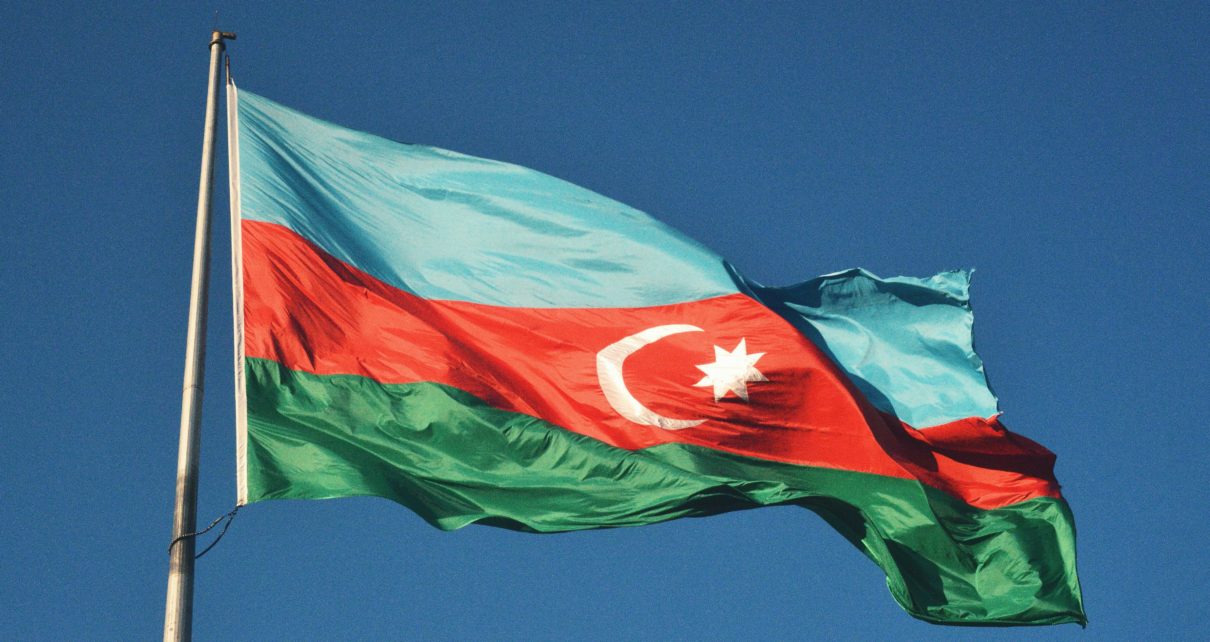
Azerbaijan and Italy are tightening energy ties, and this is having system-wide Euro-Caspian effects. In September, it was reported that SOCAR agreed to acquire Italiana Petroli, one of Italy’s largest fuel retailers, pending approvals. This purchase does not add gas capacity on day one, but it does insert Azerbaijan directly into Italy’s downstream market, bringing Read More…
Financing the enemy: The limits of NATO’s strategic decoupling from Russian fossil fuels
Despite vocally supporting Ukraine, between February 2022 and February 2025, NATO countries paid more to Russia for energy imports than they provided in aid to Ukraine. This article analyzes the limits of NATO’s strategic decoupling from Russian fossil fuels and proposes concrete steps the alliance as a whole, and Canada in particular, should take to tackle this problem.
The Verdict of History: An Incomplete Peace Is a Dangerous Proposition
Since the Russian invasion of Ukraine began in 2014, Moscow’s aggression against its neighbour has gone through several significant phases, from the annexation of Crimea, to mounting insurgency in the Donbas, to its full-scale invasion of Ukraine proper in 2022 and a subsequent seesaw of back-and-forth offensives. With the Trump Administration in full swing, the Read More…
NATO Countries Seek to Import Electricity from the Caspian Sea Region
Dr. Robert Cutler discusses recent developments in the cooperation of Azerbaijan with European and NATO energy policy.
European Pipeline Expansion for Azerbaijan’s Gas Gets Back Under Way
Dr. Robert M. Cutler covers the European pipeline expansion for Azerbaijan’s gas and its contribution to Azerbaijan’s emergence as a pivotal player in European energy security.
Southern Gas Corridor Meeting Deepens EU–Azerbaijan Energy Cooperation
Dr. Robert Cutler writes on the 10th Ministerial Meeting of the Southern Gas Corridor Advisory Council, which he describes as an important milestone in EU-Azerbaijani energy relations.