Bibi Hakim Women in Security

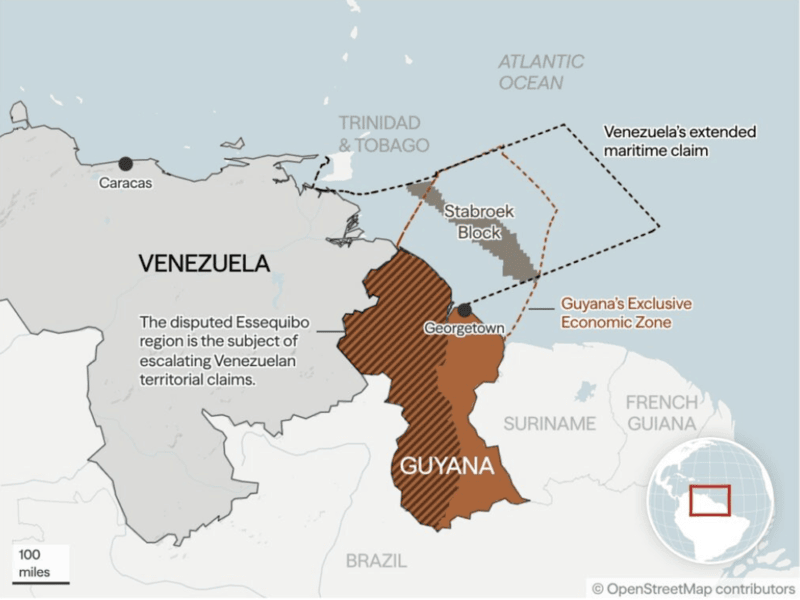
The Essequibo Flashpoint: What the Guyana-Venezuela Conflict Means for NATO Security

For decades, the Caribbean has shaped the world through its culture, cuisine, music, and vibrant traditions. Today, its influence is expanding into a new arena: energy, security, and strategic defence partnerships. The Essequibo dispute is no longer just a bilateral territorial disagreement. It has become a strategic issue with implications for energy security, great-power competition, and NATO’s wider security environment. In this special report, read how Guyana’s emergence as a major oil producer has elevated the geopolitical significance of the Guyana–Venezuela dispute, and why developments in the Caribbean now matter far beyond the region.

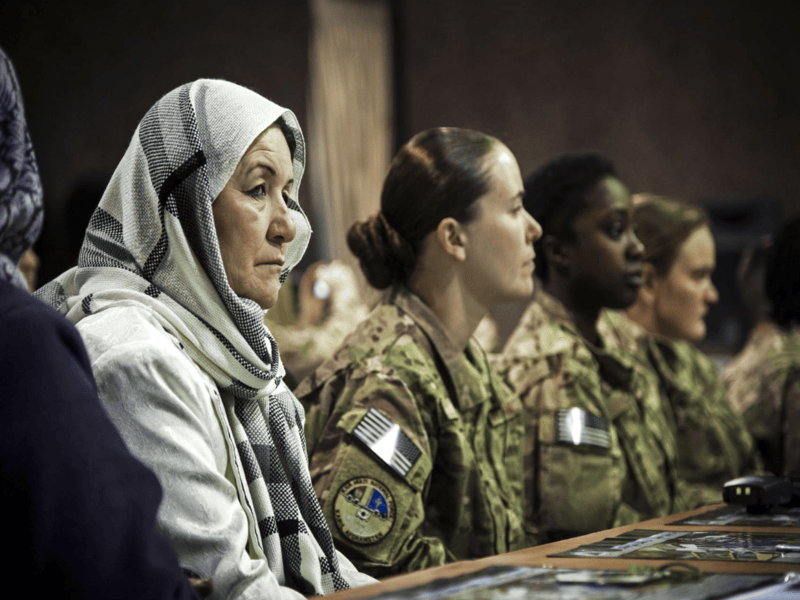
Bibi Hakim Women in Security

From the Frontlines to the Frontier: NATO’s Future Depends on the Power of Unconventional Networks

Historically, the mobilization of hundreds of Caribbean women into vital Allied logistics and technical roles proved that non-traditional networks are indispensable during global crises. Today, as NATO adapts to a shifting security landscape, the Alliance can draw directly from the legacy of these wartime networks to modernize its recruitment strategies and structural resilience.

Bibi Hakim Women in Security

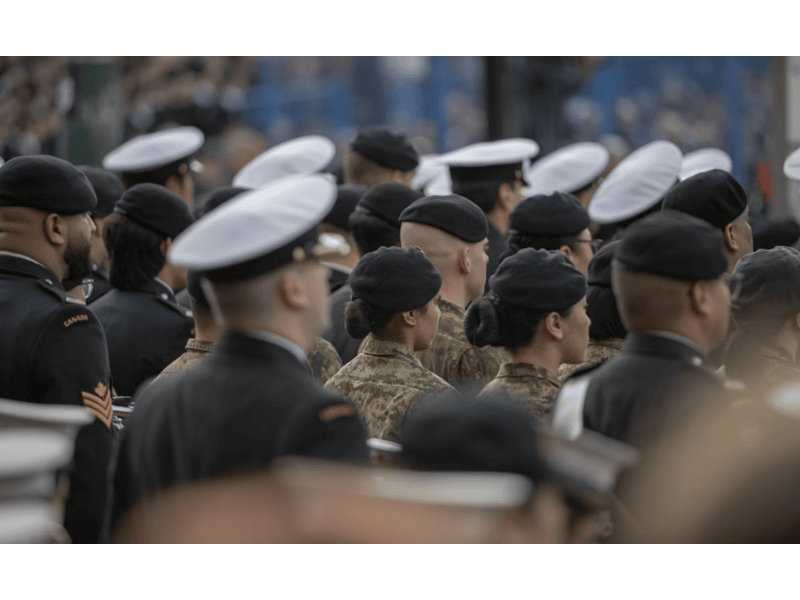
Why NATO Needs Women to Rebuild Defence Capacity

Canada and France are amongst NATO’s leading countries in advancing gender parity. With their Armed Forces compromising between 16-17% of women actively serving in the military. Despite these achievements both countries continue to face significant challenges with recruitment and retention specifically amongst women with strong backgrounds in STEM and cybersecurity. The underrepresentation of women in defence and cybersecurity presents a critical challenge to long term defence readiness and resilience.