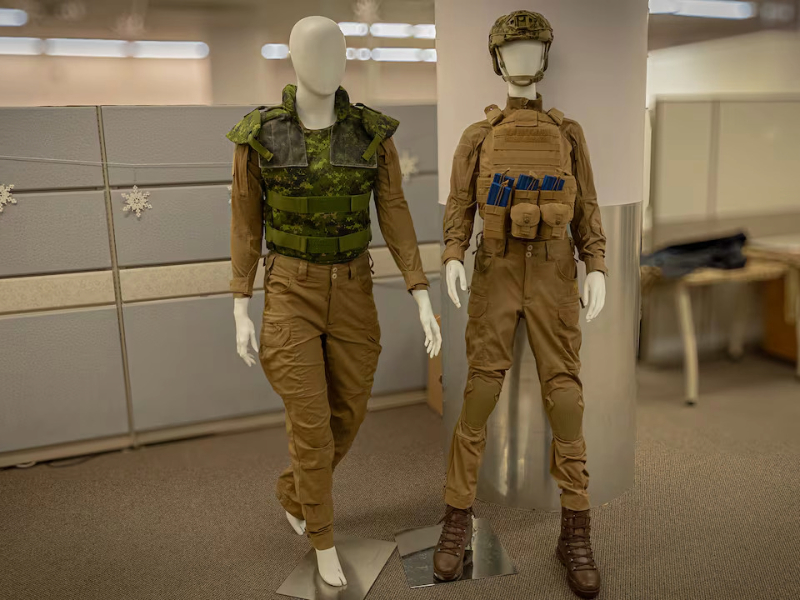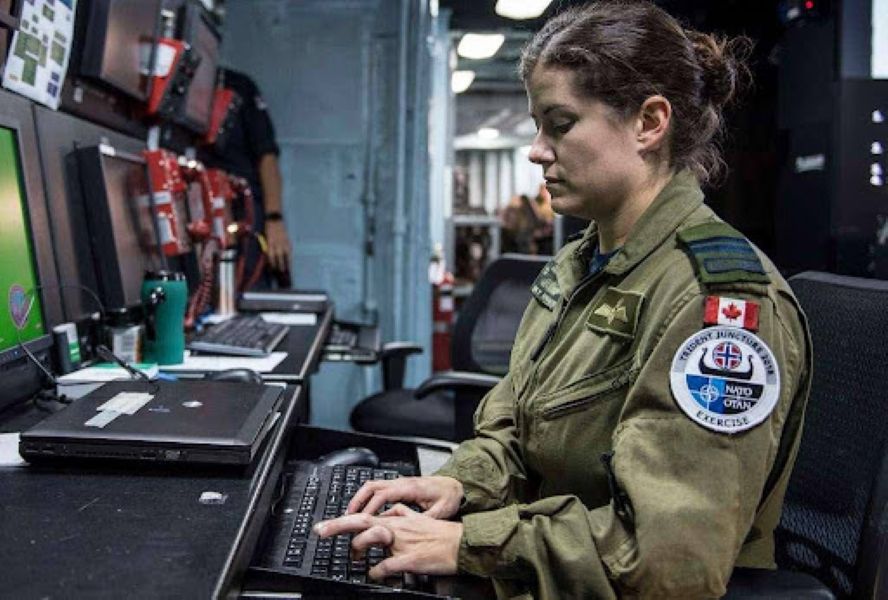
When “unisex” equipment is designed around male body norms, readiness is not neutral. As women’s participation in the Canadian Armed Forces grows, gendered differences in body proportions have practical consequences for mobility, endurance, and injury risk. Referencing NATO anthropometric data and Ukraine’s wartime redesign efforts, this article underscores why women-specific combat clothing fit is central to force generation and long-term sustainability.
Tag: Canadian Armed Forces (CAF)
Divide and Conquer: How Gender-Based Disinformation Weakens Western Militaries
This article examines misogyny and broader anti-gender ideology as under-recognized vectors of hybrid warfare that undermine NATO’s democratic resilience, military cohesion, and Alliance legitimacy. It argues that foreign adversaries exploit entrenched patriarchal and exclusionary narratives through gender-based disinformation to exacerbate polarization, target political actors, weaken trust in defence institutions, and delegitimize NATO. The article concludes that the principles of NATO’s Women, Peace and Security (WPS) policy counter foreign disinformation by limiting the impact of harmful gendered narratives and reinforcing pluralism, and what can be done to strengthen democratic resilience and NATO’s collective defence in an era of hybrid conflict.
Operation Equal Opportunity: Canada as a Model For Women in Combat Leadership
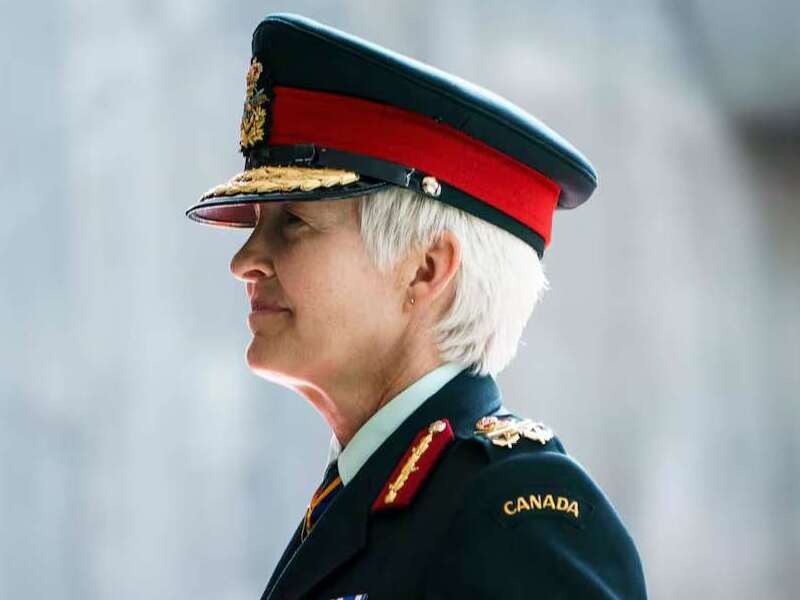
In July 2024, General Jennie Carignan became Canada’s first woman Chief of Defence Staff. This article centers her appointment as both a symbolic and institutional milestone in Canada’s effort to operationalize the Women, Peace, and Security (WPS) agenda. Tracing her leadership of the Canadian Armed Forces, the article demonstrates how offering equal access to opportunity is a prerequisite for military strength. Gen. Carignan’s leadership of the Canadian Armed Forces offers an example for NATO allies, who can similarly dismantle barriers to women’s leadership and embed inclusive military ethos. The article prescribes a series of pathways through which NATO allies can pursue institutional reform, thereby enhancing institutional quality and strengthening collective defence posture across the Alliance.
Special Report – Arma et Litterae: Reuniting Canada’s Civic Foundations
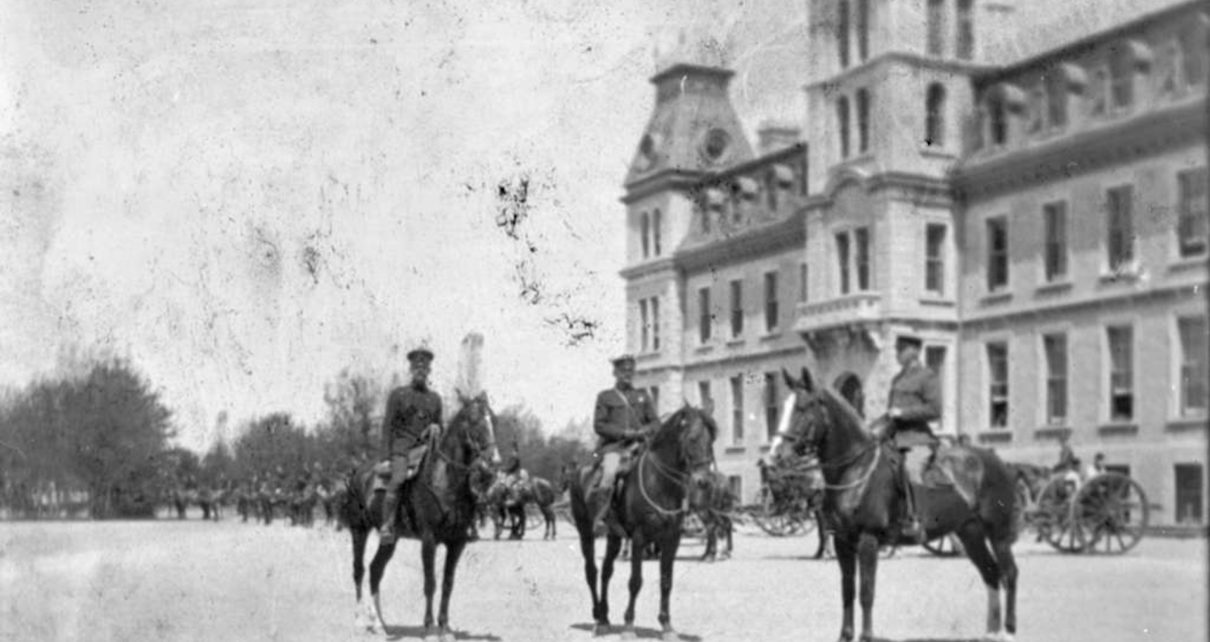
Author’s Note: This essay is offered as a conceptual case for the deliberate reintegration of Canada’s universities and Armed Forces as a matter of strategic sovereignty and civic resilience. It is informed by the development of the Serving Scholar Program at the University of Guelph, an initiative designed to support students serving in the Canadian Read More…
Special Report: In All of Us Command: Rethinking Conscription Through a Gender-Inclusive Lens
How could gender-inclusive national service shape Canada’s future defence posture? This article examines the growing debate around universal service in Canada, assesses its implications for Women, Peace and Security commitments under NATO, and draws lessons from Nordic models to consider whether compulsory service could strengthen societal resilience and women’s meaningful participation in defence.
Canada’s WPS Credibility: Tested Within the Canadian Armed Forces
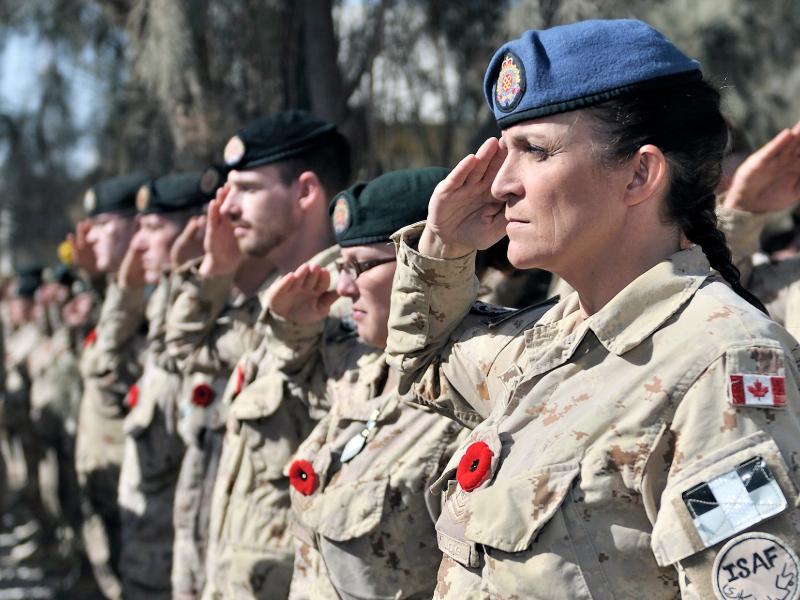
Canada has long championed the Women, Peace, and Security (WPS) agenda on the world stage, promoting gender equality in NATO missions and peace operations. Yet, at home, persistent structural barriers in the Canadian Armed Forces have created a gap between advocacy and action. Canada must address these domestic challenges and prioritize women’s meaningful leadership across all levels of the military to align its domestic practices with its global image.