Security, Trade and the Economy

Should CANZUK be a goal for Canada? Part 2: The Free Trade Angle

* The second in a three-part series Post-WWII planners accepted free trade as a hallmark of Western prosperity, in part as insurance against war due to the economic interdependence it fosters. However, this institution has not only been challenged, but in the eyes of some, proven to be the product of naive liberal utopianism, and is Read More…

Indo-Pacific and NATO

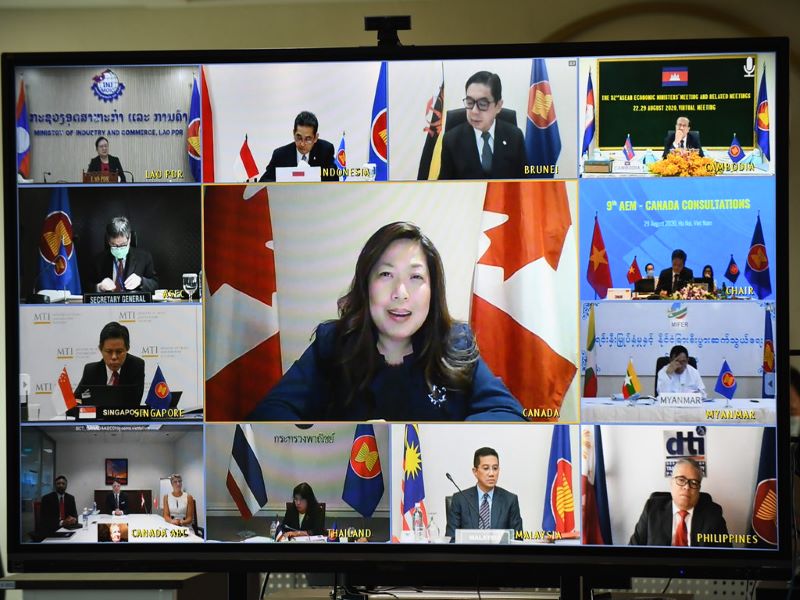
Canada’s Indo-Pacific Turn: What Carney’s Tour Signals for the Future of Canadian Partnerships 

In his latest piece, Narayan Srivistava argues that Carney’s Indo-Pacific tour was a deliberate push to diversify Canada’s partnerships, improve ties with both developing and developed countries in Asia, and integrate Canada more securely inside the economic and geopolitical networks shaping the region’s future.

Indo-Pacific and NATO

Avoiding Escalation Pitfalls: Australia and NATO 

What does the Australia-NATO partnership mean in the current moment of geopolitical flux? In this piece, junior research fellow Joel Sawyer examines the strategic histories driving Australia-NATO alignment, the potential hazards of deepening military cooperation, and how to move the relationship forward. 

Indo-Pacific and NATO

Rupture and Fury: Can Canada Build a ‘Counter-Power’ Model of Cooperation in a World Reordered? 

What future is there for the ‘middle powers’ in a global order increasingly defined by unilateralism and revisionism? In this article, Joel Sawyer examines Canada’s role in building a new ‘counter-power’ network to define a new model of international cooperation

Society, Culture, and Security

Should CANZUK be a Goal for Canada? 

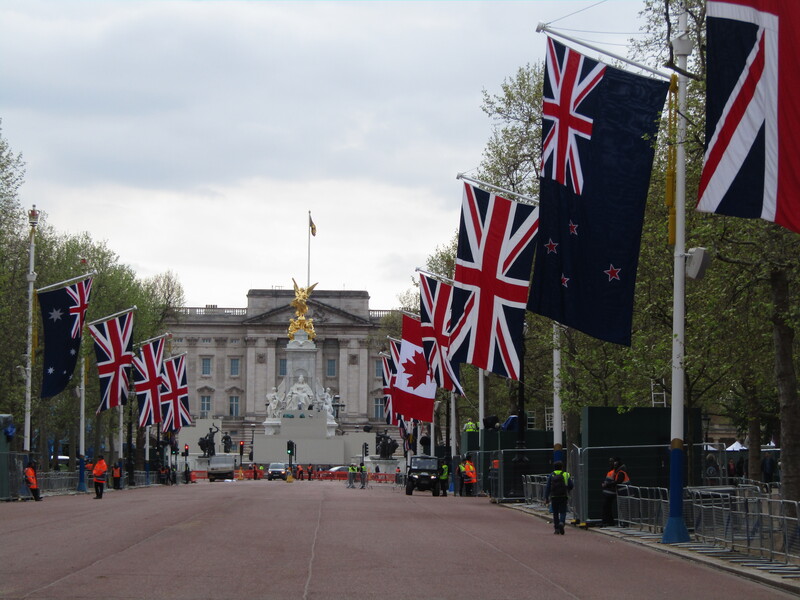
Canada finds itself in an era of security challenges posed not only by traditional rivals, but also by its neighbour and greatest partner. The risks to its economic stability from both internal and external trials include failures to meet economic challenges caused by the 2015 oil crisis, COVID-19, and renewed European crises, all of which threaten to undermine Read More…

Indo-Pacific and NATO Paul Meyer

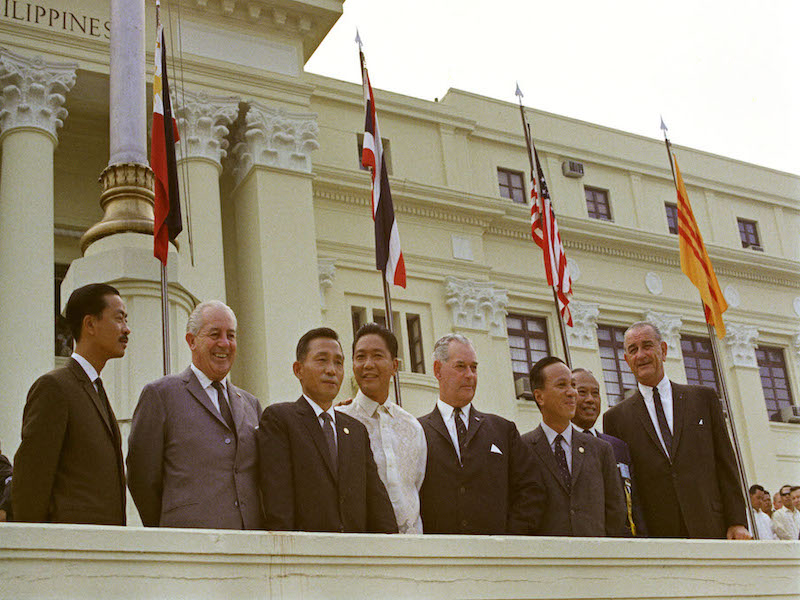
SEATO: The tantalizing promise of NATO’s forgotten counterpart in the Indo-Pacific

            June 30th, 1977, Bangkok, Thailand. After 23 years of operations the South-East Asian Treaty Organization, or SEATO, was formally dissolved, having been dogged with criticism throughout the nearly two decades since its founding. What was this NATO counterpart in the Indo-Pacific, why did it fail, and could it be revived today?             The basics: Read More…

Indo-Pacific and NATO

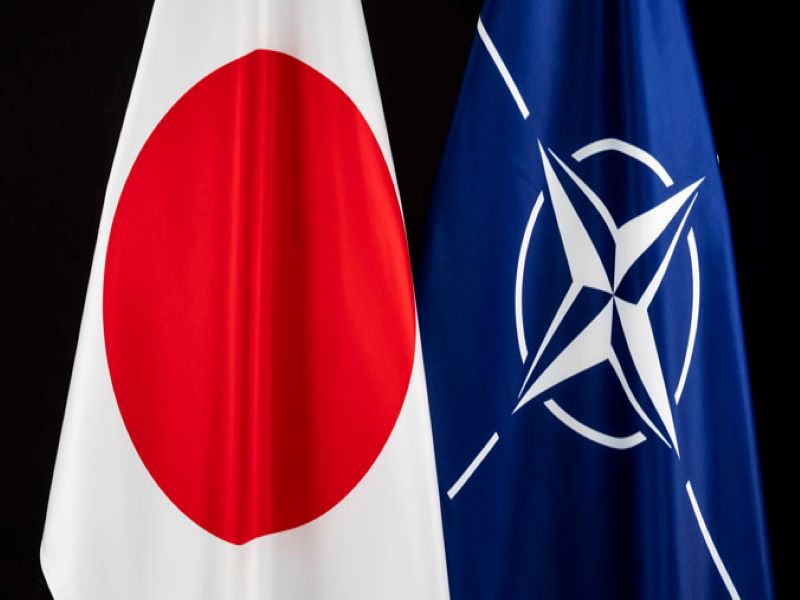
Special Report: NATO’s Indo-Pacific Strategy Needs Japan

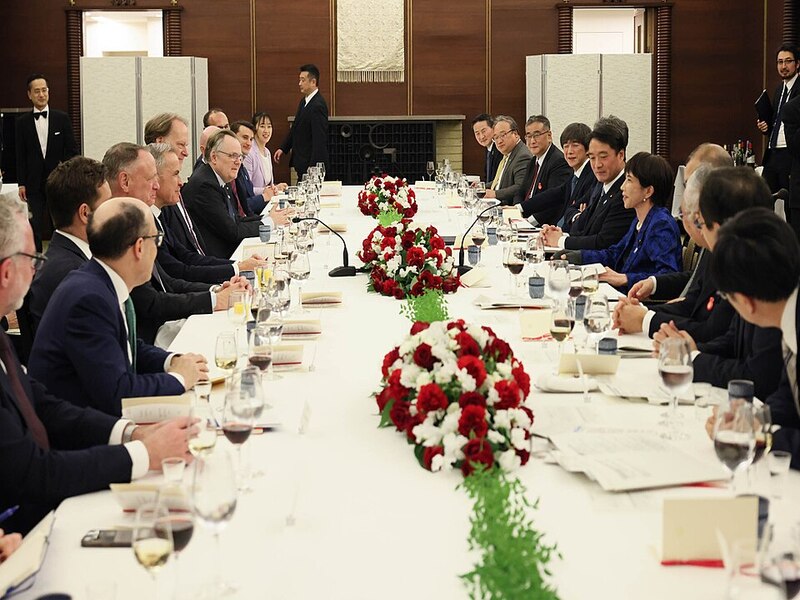
In this special report, Junior Research Fellow Andrew Erskine explores how NATO-Japanese relations are key for upholding a rules-based order in the Indo-Pacific. In particular, Andrew identifies how Japan, back with NATO’s diplomatic experience, can bring together Indo-Pacific nations that do not desire a bipolar order dominated by Sino-US great power competition.

Indo-Pacific and NATO

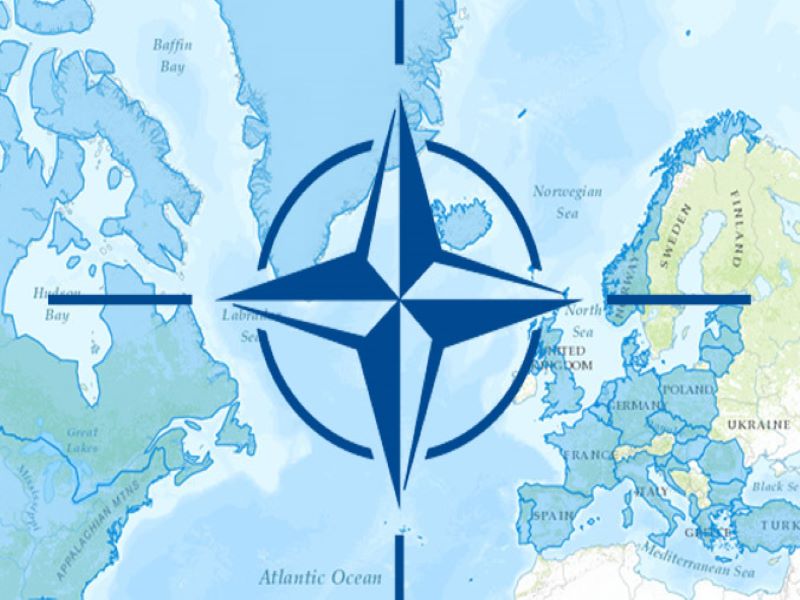
Article V & the Indo-Pacific: Will NATO’s collective defence pact function in an out-of-area region?

In this article, Junior Research Fellow Andrew Erskine examines NATO’s collective defence pact against the backdrop of the growing contest in the Indo-Pacific to determine if Article V could be invoked to defend NATO members in the region.