In October 2025, Bill Gates released a memo titled, “Three Tough Truths About Climate” with a sharply different tone. Gates, long a champion of climate action, now argued that climate change, while serious, “will not lead to humanity’s demise”. He urged world leaders to focus on human welfare, resilience and development instead of rigid temperature and emissions targets. This shift moves the climate debate away from abstract metrics and towards real human needs. His memo arrived days before COP30 and shapes how governments, development agencies, and security planners think about climate policy.
Gates’ memo lays out three “tough truths”:
1. Climate change is a serious problem, but it is not an existential threat to human civilization.Humanity can adapt and continue to grow.
2. Temperature is not the best measure of climate progress. Strict temperature targets are a poor proxy for progress; improving lives in a warming world is a better measure of success.
3. Health and prosperity are the best defences against climate impacts.
He argues that climate strategy must put human welfare at the center, rather than treating emissions targets as the only goal. He writes that the world, “can’t cut funding for health and development” to slash emissions, and that, “it’s time to put human welfare at the center” of climate strategies. He cautions that a, “doomsday” mindset has led the climate community to fixate on near-term emissions goals, while neglecting interventions that improve lives in a warming world. Notably, Gates is not abandoning mitigation; he continues to invest in clean energy innovation to drive emissions down, but he is asserting that climate action should be judged by how well it reduces human suffering, not just by degrees of global temperature.
A Normative Shift in Climate Discourse
Gates’ new tone reflects a broader shift in climate discourse from a temperature-centric narrative to one rooted in human development. This perspective has been championed by developing nations for years. Leaders from these countries have advocated for climate action that fights poverty and improves health, not only reduces carbon emissions. In these countries, “climate adaptation is indistinguishable from efforts to improve human welfare”; better healthcare, education, and agriculture all directly reduce communities’ vulnerability to climate shocks. By echoing these calls, Gates, “said the quiet part out loud” – namely, that the world’s prevailing climate strategy has often failed to serve those most at risk. His memo implies that success should be measured in lives improved or saved, not only in parts per million of CO₂. This shift aligns with growing emphasis on climate justice: those who have contributed least to global warming (poor communities) should be at the forefront of climate solutions and support.
Implications for Policy and Global Priorities
If Gates’ welfare-focused view gains traction, it could reorient international climate policy. Forums like the UN’s COP summits may devote greater attention to adaptation funding and resilience targets alongside emission reductions. Indeed, COP30’s agenda reflected this balance, emphasizing support for development and disaster preparedness in tandem with emissions pledges. We may see a larger share of climate finance directed toward protecting livelihoods, with for example, climate-resilient agriculture, healthcare systems, and infrastructure, given that currently less than 10% of global climate funds go to adaptation initiatives. Western leaders adopted a pragmatic tone, linking climate with economic and energy needs. They linked climate action to economic stability and national security. Investments in resilience can reduce future risks, so governments can frame them as preventive policy. Tying climate action to jobs, health and safer communities may also build stronger public support.
Canada fits naturally into this shift because climate impacts already impose direct welfare and security costs. Recent wildfire seasons provide a clear example of this. Large wildfires, such as the Jasper wildfire, have forced mass evacuations, disrupted transportation and energy infrastructure, degraded air quality across provinces and borders, and placed sustained pressure on emergency services. These events turn climate risk into a public safety and capacity issue rather than a distant concern defined by emissions numbers. It forced the Government of Canada and provincial governments to increase investment in wildfire prevention, land management, community protection and emergency readiness, alongside suppression efforts. Examples include the federal Resilient Communities through FireSmart investment and related programs that fund risk reduction around homes and communities. This experience supports Gates’ argument, showing how adaptation protects people now, while emissions reductions limit future exposure. Canada’s wildfire response shows why climate policy must address human welfare as well as carbon outcomes.
There is, however, a risk. Some actors may misuse this framing to slow mitigation. Gates’ memo does not weaken the case for emissions cuts. It calls for a wider agenda that combines development, adaptation and decarbonization. Policymakers must guard against efforts to use this shift to delay action on net-zero.
Debates and Critiques
Gates’ memo has sparked debate over the risks and merits of this reframing. Many scientists and activists argue that he creates a false choice. The world does not need to pick between reducing emissions and improving human welfare. It needs both. One scientist warned that Gates’ words “are bound to be misused” by those eager to downplay the climate crisis. Critics emphasize that climate change and development are deeply intertwined. Unchecked warming will undermine food security, worsening disease, and poverty. On the other hand, some observers have welcomed Gates’ realism. Without visible improvements to lives, climate initiatives struggle to maintain public support, which is a point Gates underscores by emphasizing co-benefits (jobs, health, energy access) from climate action. These voices applaud his focus on tangible gains and pragmatism. This debate highlights the delicate balance climate governance now faces. A human-centric approach may well broaden political buy-in for climate initiatives, but leaders must also communicate that it is not a repudiation of emissions goals. The reframing is significant precisely because it aims to fuse two objectives – cutting carbon and boosting human development – into a unified agenda.
Conclusion
Bill Gates’ memo marks a real change in how people talk about climate policy. By placing human welfare at the center, he challenges governments to link climate action with development and security goals. This wider frame may lead to more inclusive policy in both high- and low-income countries. It may also increase support for adaptation, shift how success is measured and tie climate efforts to economic stability. Gates’ influence spans technology, philanthropy and policy, so his message carries weight. He reminds leaders that climate action is not an end in itself. It is a way to protect people. If his reframing leads to stronger resilience and steady progress on both mitigation and development, it will shape the next phase of global climate strategy.
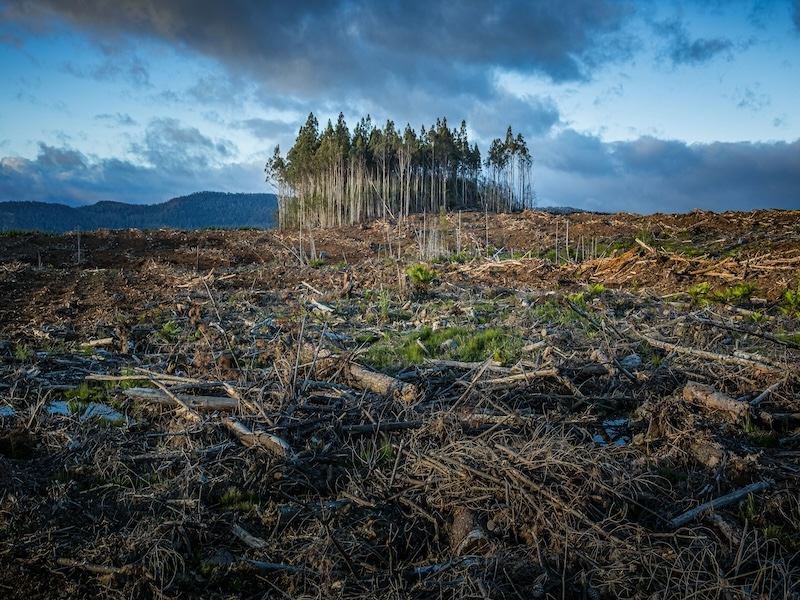
Image credit: Brown and green grass field near body of water under cloudy sky during daytime (photo published June 22, 2021), depicting a brown and green grassy field by a body of water in Tasmania, Australia, by Matt Palmer via Unsplash. Licensed under the Unsplash License.
Disclaimer: Any views or opinions expressed in articles are solely those of the authors and do not necessarily represent the views of the NATO Association of Canada.