


NATO Association of Canada
The mission of NATO Association of Canada is to promote peace, prosperity, and security through knowledge and understanding of the importance of NATO.
We strive to educate and engage Canadians about NATO and NATO’s goal of peace, prosperity and security. NATO Association of Canada ensures that we have an informed citizenry able to contribute to discussions about Canada’s role on the world stage.
As a leading member of the Atlantic Treaty Association (ATA), NATO Association of Canada has strong and enduring ties with sister organizations in many of the alliance countries, as well as members of NATO’s “Partnership for Peace” and “Mediterranean Dialogue” programmes. The NAOC has had a leading role in the recent transformation and modernization of the ATA, and helped to create and develop the Youth Atlantic Treaty Association (YATA).
The NAOC has strong ties with the Government of Canada including Global Affairs Canada and the Department of National Defence. We are constantly working to create and maintain relationships with international organizations such as the World Bank Group, the European Bank of Reconstruction and Development, NATO Headquarters, the International Criminal Court, and other prominent international NGOs and think tanks.
Related Articles
Cyber Security and Emerging Threats
Eastern Europe and Russia
Evan Blackwell
International Relations
Islamic State
Security
Uncategorized
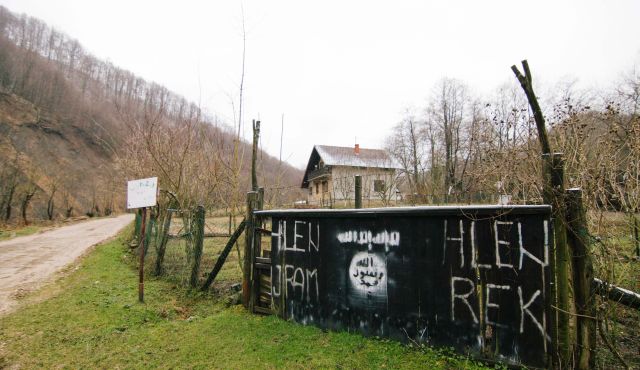
Is Bosnia and Herzegovina A Growing Terrorist Threat?
Posted on Author Evan Blackwell
Evan Blackwell explores the emergence of Bosnia and Herzegovina as a source of international terrorism.
The Foreign and Domestic Perceptions of the Allied Presence in Afghanistan
Posted on Author Arash Toupchinejad
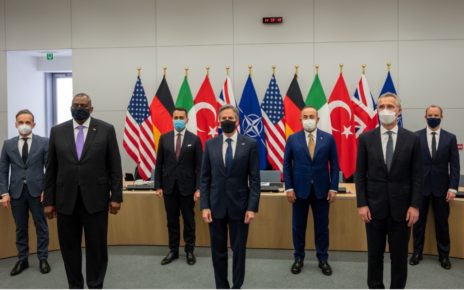
The final departure of American troops from Afghanistan is set for September. This plan of withdrawal dates from the Trump Administration, which signed the bilateral Doha Agreement with the Taliban. It authorized the withdrawal of US and NATO forces if the Taliban agreed to prevent other terrorist groups from using Afghan soil. Although the Taliban has Read More…
Who Won the Austrian Presidential Election 2016?
Posted on Author Jonathan Todorov
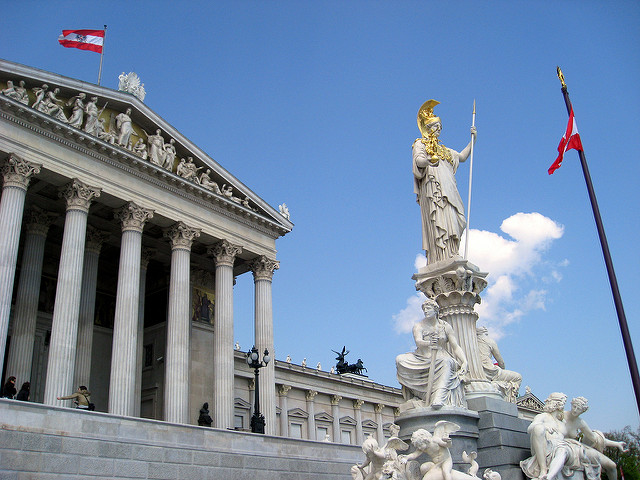
In this article Jonathan Todorov covers the 2016 Austrian Presidential election and how the results could impact the European Union, NATO and Canada.