As the 2018 NATO Summit in Brussels approaches, the NATO Association of Canada is excited to present infographics on the nine female permanent representatives to NATO.
Women in Security covers a wide-range of issues as it explores the link between women, security, and development. As a forum to stimulate discussion and instructive debates, the NATO Association of Canada will examine the ways in which women both contribute to and are the focus of Canadian and NATO defence and security initiatives. This program also offers a critical look at the structures and institutions that shape the role of women in security at home and abroad.
As the 2018 NATO Summit in Brussels approaches, the NATO Association of Canada is excited to present infographics on the nine female permanent representatives to NATO.
As the 2018 NATO Summit in Brussels approaches, the NATO Association of Canada is excited to present infographics on the nine female permanent representatives to NATO.
As the 2018 NATO Summit in Brussels approaches, the NATO Association of Canada is excited to present infographics on the nine female permanent representatives to NATO.
As the 2018 NATO Summit in Brussels approaches, the NATO Association of Canada is excited to present infographics on the nine female permanent representatives to NATO.
As the 2018 NATO Summit in Brussels approaches, the NATO Association of Canada is excited to present infographics on the nine female permanent representatives to NATO.

Recently a NATO Science for Peace and Security (SPS) initiative culminated in a summer school program on Gender in International Security. Course director Stéfanie von Hlatky talks with Program Editor Amaliah Reiskind about the program and her experience working with the SPS Programme.
As the 2018 NATO Summit in Brussels approaches, the NATO Association of Canada is excited to present infographics on the nine female permanent representatives to NATO.
As the 2018 NATO Summit in Brussels approaches, the NATO Association of Canada is excited to present infographics on the nine female permanent representatives to NATO.
As the 2018 NATO Summit in Brussels approaches, the NATO Association of Canada is excited to present infographics on the nine female permanent representatives to NATO.
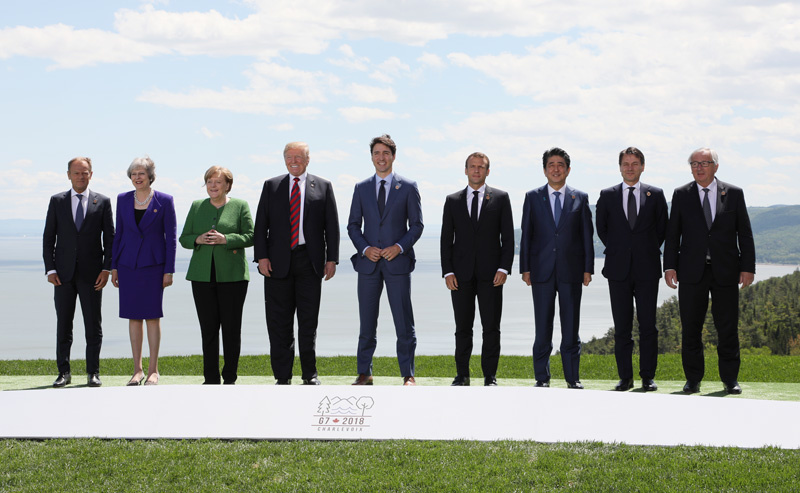
Now a week out from the 44th G7 summit in Quebec, questions surrounding the meeting arise. Did Canada realize its goal of merging gender equality considerations with global economic growth?