A list of authors, past and present
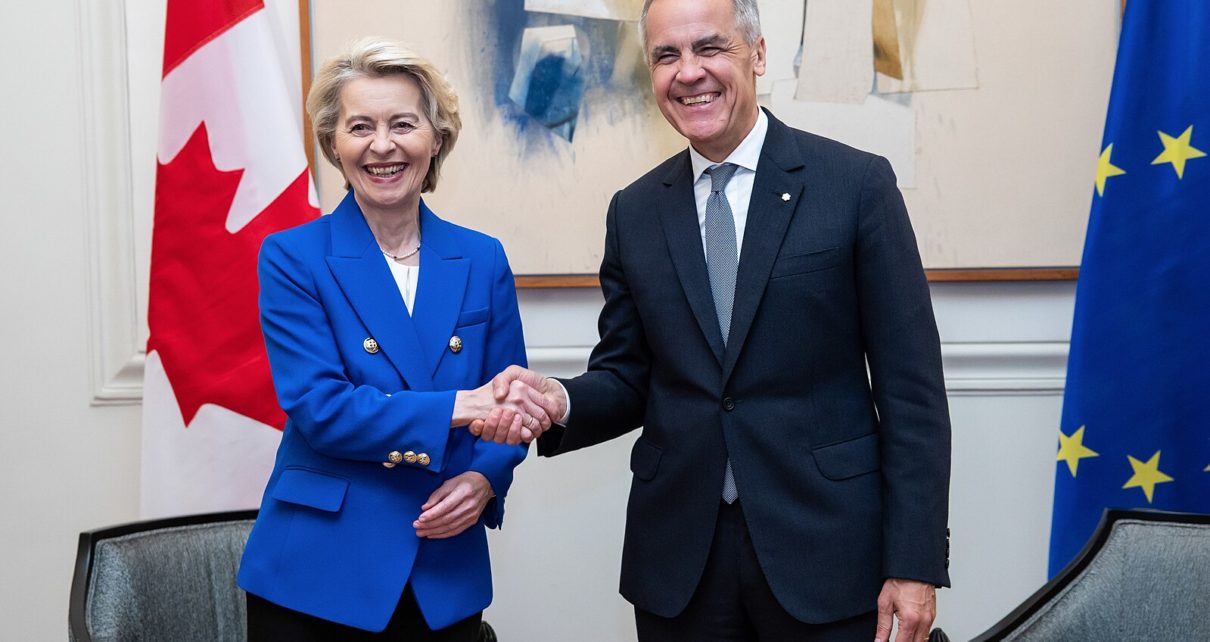
Canada’s new Security and Defence Partnership (SDP) with the EU is a historic step toward deeper transatlantic defence ties, but its impact will depend on more than just participation. To move from ally to actor, Canada must navigate complex EU governance, negotiate meaningful access, and build long-term institutional presence.
Canada is facing severe challenges. As bilateral relations deteriorate and international alliances rapidly shift, Canada must reassess defence priorities. Canada needs to start by aligning with the European Union and defence preparation in the Arctic. Long seen as an afterthought, northern borders are a key battleground for resources, trade and influence. Unaddressed global warming is Read More…
During Russia’s invasion of Ukraine, the world was given yet another case to underscore how cyberspace has become a battlefield. In January 2022, researchers uncovered Whisper Gate, a virus that corrupted the master boot record on targeted computers. Following on to February, another malware, Hermetic Wiper, erased data hours before the Russian invasion. Banks, ministries Read More…
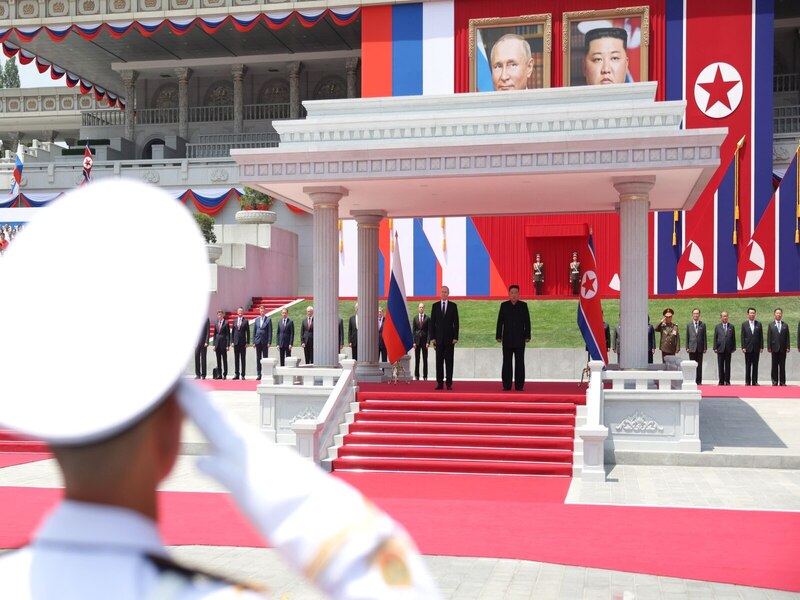
As Russia and North Korea deepen their military alliance, the threat spans from Kyiv to the Korean Peninsula. To meet this global challenge, NATO and South Korea must strengthen defence ties and industrial cooperation.
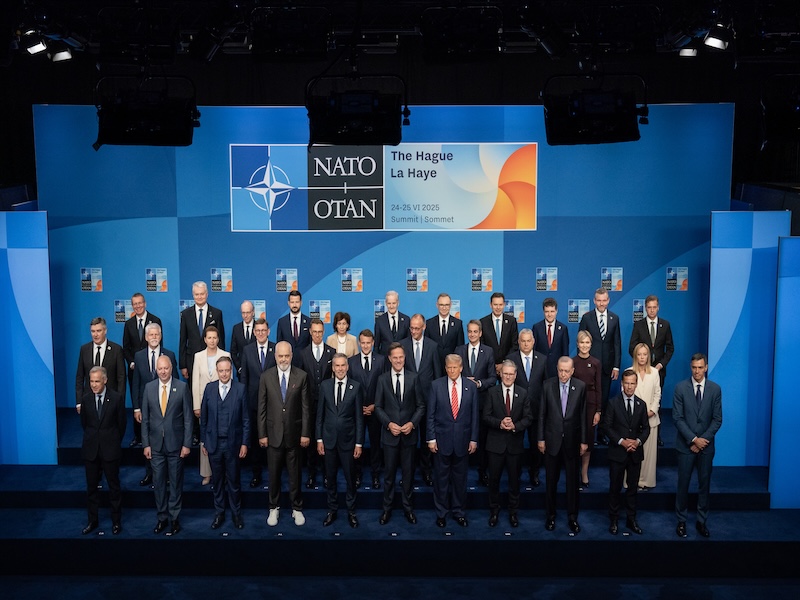
This year was a big moment for science and technology (S&T) within NATO. On July 1, 2025, the Alliance designated Steen Søndergaard as its new Chief Scientist, taking over from Dr. Bryan Wells in order to bring a fresh approach to NATO’s S&T efforts. At the 2025 NATO Summit at The Hague, the Allies agreed Read More…
In January, U.S. President Donald Trump urged NATO members to lift defence spending from the long-standing 2 per cent goal to 5 per cent of GDP. This was met with sharp criticism in Europe, and NATO officials dismissed the idea as unrealistic. No ally, including the United States, spends anywhere near 5 per cent; only Read More…
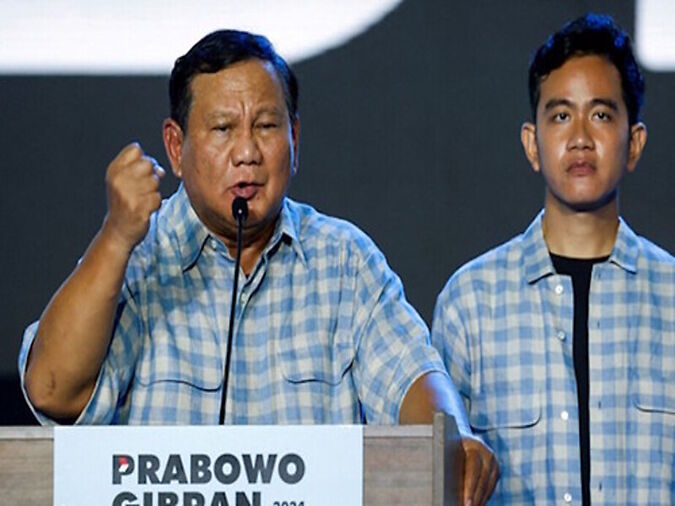
In March 2024, Prabowo Subianto—a controversial former general once banned from the U.S. for rights abuses—secured Indonesia’s presidency through a social media campaign that softened his image with playful content targeting youth voters. Not with lies, but with the use of ‘Gemoy’: an adorable online persona who played with cats and did viral dances, whose Read More…
With 142 executive orders signed in just 100 days, President Trump’s second term opened with a rapid consolidation of executive power. The orders targeted such key areas as border enforcement, foreign aid, and commitments to international institutions. Immigration policy quickly emerged as a key instrument of executive overreach. Building on the hardline stance of Donald Read More…
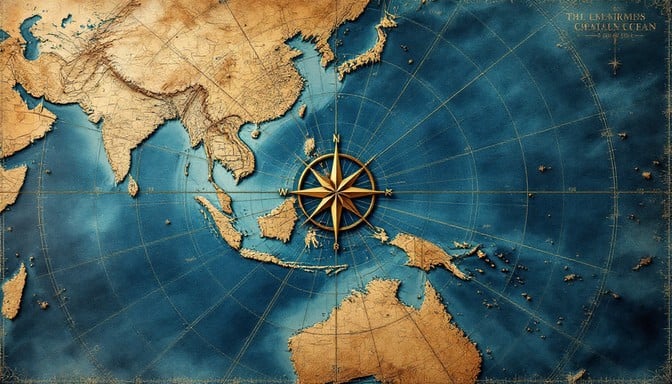
In his newest article, James Lautens explores why NATO should focus on building stronger relationships in the Indo-Pacific and what opportunities can be derived from such an investment. He argues that by investing in and cooperating with the democracies in the region, NATO can curb the influence of Russia and China, who are increasingly challenging the rules-based international order.
Current diplomatic relations between Canada and the U.S. are fraught, to say the least. The current trade war has seen the imposition of multiple tariffs on Canada, targeting Canadian auto vehicles as well as aluminum, and other nations, leaving many Canadians feeling betrayed by the U.S. The Prime Minister of Canada, Mark Carney, declared that Read More…