The mission of NATO Association of Canada is to promote peace, prosperity, and security through knowledge and understanding of the importance of NATO.
We strive to educate and engage Canadians about NATO and NATO’s goal of peace, prosperity and security. NATO Association of Canada ensures that we have an informed citizenry able to contribute to discussions about Canada’s role on the world stage.
As a leading member of the
Atlantic Treaty Association (ATA), NATO Association of Canada has strong and enduring ties with sister organizations in many of the alliance countries, as well as members of NATO’s “Partnership for Peace” and “Mediterranean Dialogue” programmes. The NAOC has had a leading role in the recent transformation and modernization of the ATA, and helped to create and develop the Youth Atlantic Treaty Association (YATA).
The NAOC has strong ties with the Government of Canada including Global Affairs Canada and the Department of National Defence. We are constantly working to create and maintain relationships with international organizations such as the World Bank Group, the European Bank of Reconstruction and Development, NATO Headquarters, the International Criminal Court, and other prominent international NGOs and think tanks.
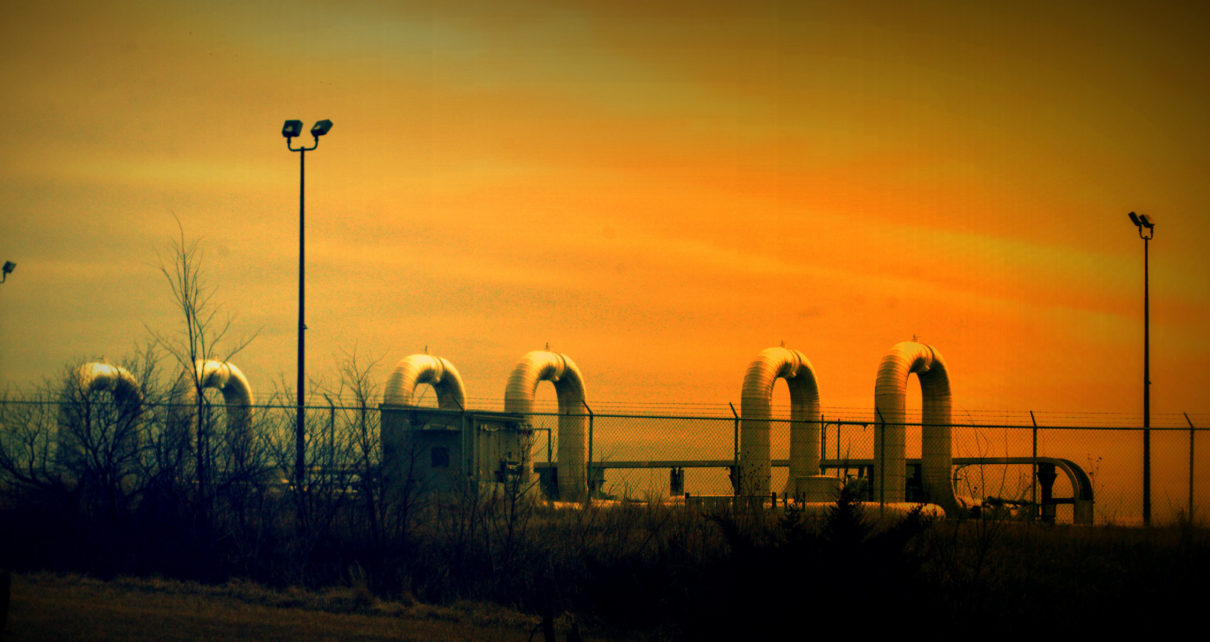
In May 2021, a ransomware attack crippled Colonial Pipeline, one of North America’s largest fuel distribution systems across its 5,500-mile network. The incident disrupted supply across the U.S. East Coast for days, triggering widespread shortages, panic buying at gas stations. The attack exposed a troubling reality: critical infrastructure in North America is more vulnerable than previously suspected. While Canada avoided Read More…
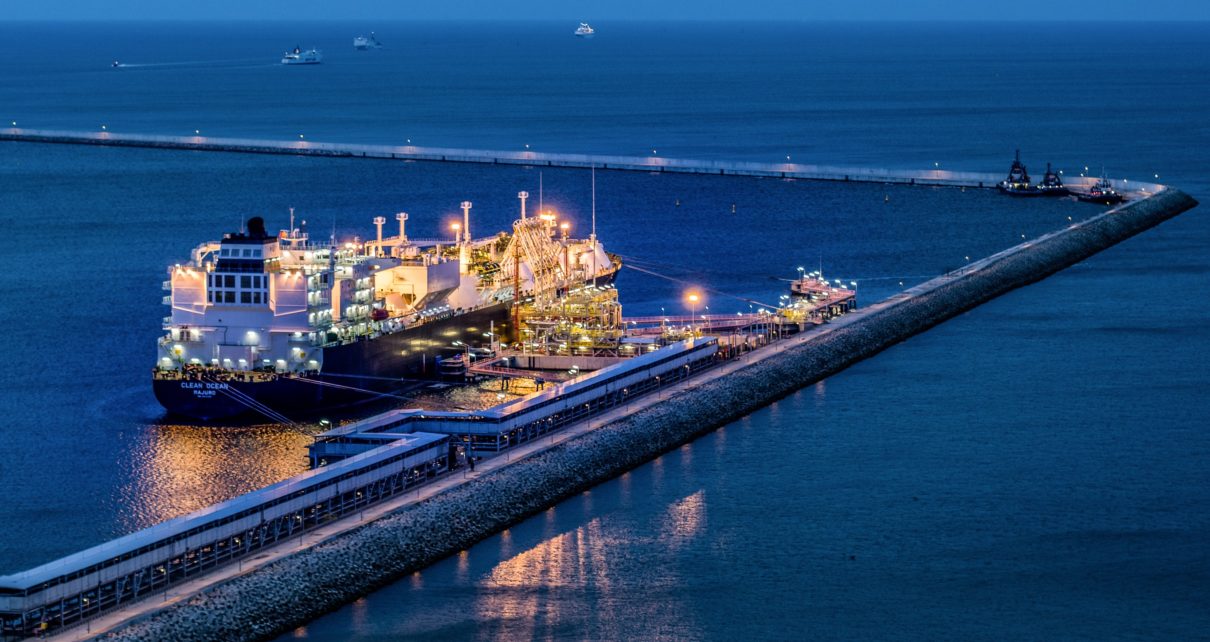
Since the 2022 Russian invasion of Ukraine, the European Union has moved to end reliance on Russian energy. On 26 January 2026, the Council adopted a stepwise ban on imports of Russian pipeline gas and liquefied natural gas (LNG), with a full ban on LNG from the beginning of 2027 and on pipeline gas from Read More…
At the 2025 NATO Summit, Prime Minister Mark Carney announced that critical mineral expenditures would contribute to Canada’s 5% NATO defense spending contribution. Key to this new positioning is the building of essential industrial infrastructure necessary for critical mineral development and exportation, of which 1.5% of the new commitment is dedicated to. This new approach Read More…
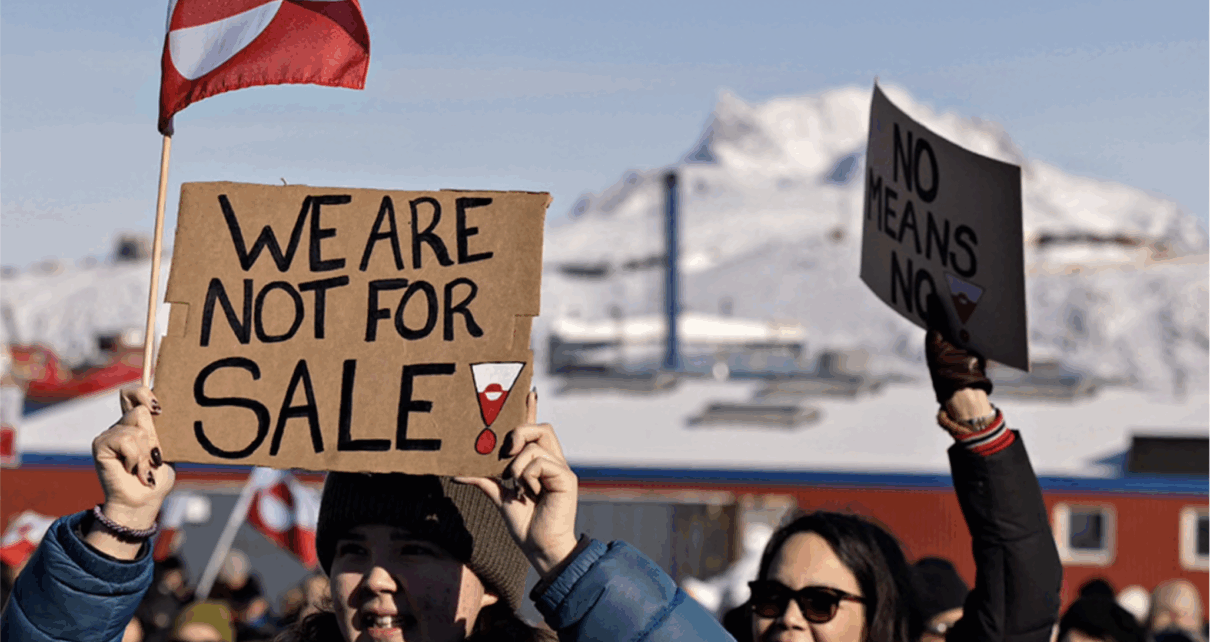
Rachel Potter analyzes the geopolitical fallout of U.S. pressure on Greenland, arguing that it reveals a deeper fragility within NATO and raises a critical question for Canada: can alliance guarantees still be trusted when power begins to override restraint?
What does Mark Carney’s decision to re-engage China signal about Canada’s strategic options in a more coercive global economy? Tasneem Gedi argues that Ottawa’s limited recalibration with Beijing reflects an unavoidable strategy of hedging amid U.S. unpredictability. While such engagement may expand Canada’s room for maneuver in an increasingly coercive global economy, it carries risks and thus must be pursued narrowly, conditionally and in close alignment with Canada’s alliance commitments.
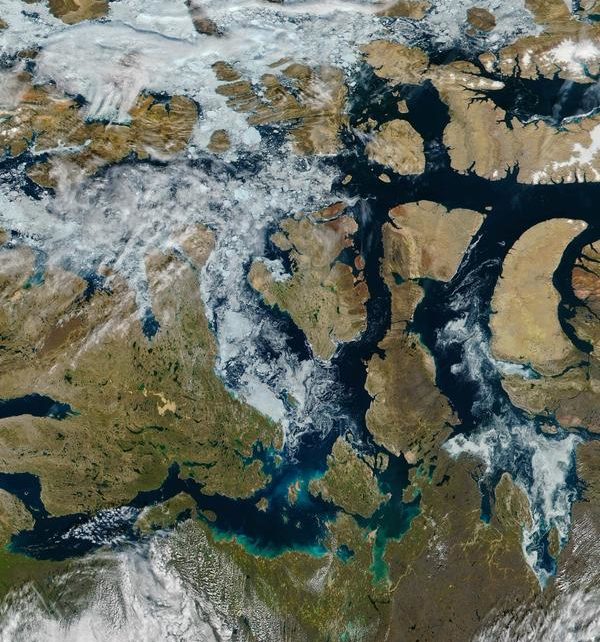
Following the American intervention in Venezuela, Jonah Moffatt assesses the “Trump Corollary” outlined in the 2025 National Security Strategy, and what this hemispheric vison of security means for the long-contested Northwest Passage. He argues that through diplomatic coordination with its Nordic allies, Canada can utilize the forum and frameworks of NATO to protect its national interests while emerging as a leader of multilateralism in a time of uncertainty.
Cyberspace has become the new realm for battles to be waged, where state/non-state-sponsored groups are exploiting cyber vulnerabilities to control critical state sectors. Cyberattacks have escalated beyond espionage and financial theft to actions that constitute acts of war, endangering national and global security. Salt Typhoon and Volt Typhoon, People’s Republic of China (PRC) sponsored cybergroups, Read More…
On October 1, 2025, the Rideau Club in Ottawa hosted the “EU-Canada – Advancing Defence Industrial Cooperation” event, organized by the Delegation of the European Union to Canada in partnership with the NATO Association of Canada (NAOC). The gathering brought together 86 participants, including representatives from government, industry, academia, and the diplomatic community, to explore Read More…
The dynamics of the international order are evolving, with rising levels of Great Power competition and aggressorsincreasingly challenging NATO’s defences. These changes are making it increasingly important that the Canadian government prioritizes building up domestic defence capabilities to prove itself as a reliable NATO ally and contributor to collective security. In June 2025, NATO allies renewed their Read More…
Below is the NATO Association of Canada’s publication on increasing Canada’s defence spending, with contributions from leading experts. Line of Defence: A Policy Agenda for Canada’s Defence Capabilities