In 2023, more than 2,100 Canadian Armed Forces members were deployed across six provinces and territories for more than four months to assist Canada’s worst wildlife season in 30 years. Canada has increasingly integrated climate change into its defence strategy, recognizing it as a threat multiplier affecting military readiness, infrastructure resilience, Arctic security, and operational effectiveness. NATO has identified climate change as a security challenge requiring greater resilience, adaptation, and cooperation among Allies, influencing Canada’s approach to incorporating climate considerations into defence planning. Through defence policies such as Strong, Secure, Engaged (2017), Our North, Strong and Free (2024), and the Defence Climate and Sustainability Strategy (2023), Canada has sought to incorporate climate considerations into military planning and operations. Strong, Secure, and Engaged recognized that climate change creates new operational challenges for the Canadian Armed Forces (CAF), including increased demands for domestic disaster response and pressures on defence infrastructure. More recently, Our North, Strong and Free highlighted that the Arctic’s accelerated warming is reshaping the region’s strategic environment by increasing maritime activity, intensifying geopolitical competition, and creating new challenges for Canadian sovereignty and continental defence. Together, these policies demonstrate Canada’s recognition that climate change is not solely an environmental issue but a strategic security challenge requiring adaptation across military operations, infrastructure, and long-term defence planning.
Strong, Secure, Engaged
Canada’s integration of climate change into defence planning began with a broader understanding of the evolving security environment. Strong, Secure, Engaged recognized that contemporary security challenges increasingly transcend national borders and require the Canadian Armed Forces to be capable of responding to a wide range of threats, including domestic emergencies, humanitarian crises, and global instability. The policy emphasizes that Canada requires a military that is “strong at home,” capable of defending Canadian sovereignty while also assisting in natural disasters, emergencies, and search-and-rescue operations. This broad understanding of defence reflects the growing importance of climate-related risks, as extreme weather events and environmental disruptions increasingly create demands for military support.
This broader conception of defence demonstrates how Canada has incorporated climate-related risks into military planning by recognizing that environmental changes can directly affect national security and military readiness. By preparing the CAF to respond to climate-related emergencies and evolving security challenges, Strong, Secure, Engaged reflects a shift towards viewing climate change as a security concern rather than solely an environmental issue. This approach aligns with NATO’s recognition of climate change as a threat multiplier that requires greater resilience, adaptation, and preparedness among Allied forces, positioning Canada’s defence policy within the Alliance’s broader climate-security agenda.
Our North, Strong and Free
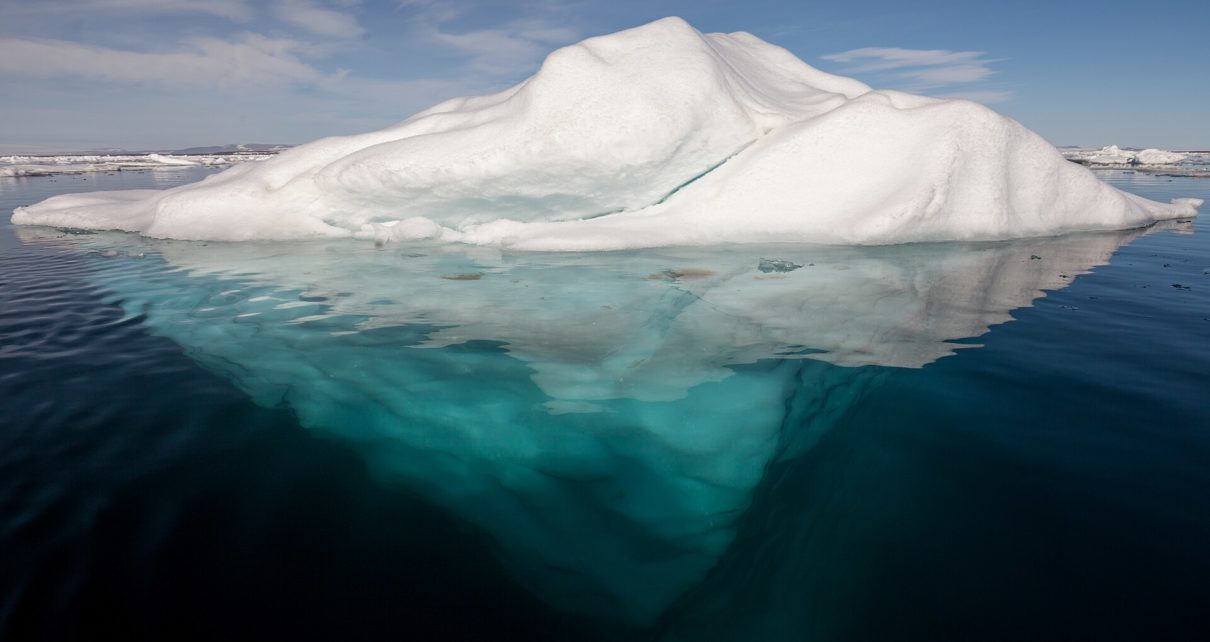
Canada’s recognition of climate change as a threat multiplier is evident in its approach to Arctic security. As climate change accelerates the transformation of the Arctic, it is creating new challenges for military readiness, infrastructure resilience, and Canada’s ability to maintain sovereignty over its northern territory. Our North, Strong and Free identifies the Arctic as a rapidly changing strategic environment where climate impacts are reshaping security dynamics. The policy recognizes that the region is warming at an accelerated pace, leading to increased accessibility, maritime activity, and geopolitical competition among states seeking greater influence in the North, as mentioned previously. These developments create new operational demands for the Canadian Armed Forces, requiring enhanced surveillance, improved infrastructure, and greater capacity to operate in an increasingly unpredictable environment.
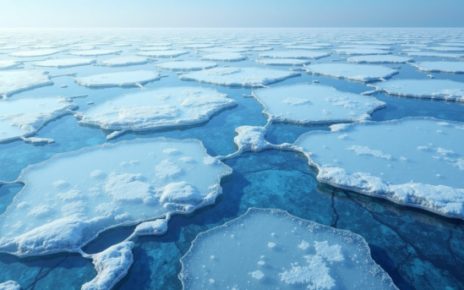
The changing Arctic environment demonstrates how climate change can amplify existing security concerns rather than act as an isolated threat. Reduced sea ice and increased accessibility have created opportunities for expanded commercial and military activity, increasing pressures on Canada’s ability to monitor and defend its northern approaches. In response, Canada’s defence policy emphasizes the need to strengthen Arctic capabilities, modernize military infrastructure, and improve cooperation with allies to maintain regional security and sovereignty. These adaptations illustrate how climate considerations have become embedded within defence planning, demonstrating that Canada views climate change as a strategic factor in shaping military effectiveness and national security.
Defence Climate and Sustainability Strategy
Building on the recognition of climate change as a security challenge in previous defence policies, Canada has further integrated climate considerations into military planning through the Defence Climate and Sustainability Strategy (DCSS). This strategy represents a shift from acknowledging climate change as a factor affecting security to establishing approaches for defence activities amidst climate change. The DCSS recognizes that climate change has implications for national and international security and emphasizes the need for the Department of National Defence and the Canadian Armed Forces to maintain effectiveness while responding to climate-related risks.
The DCSS identifies climate adaptation as a core component of defence planning by focusing on understanding climate risks to military infrastructure, equipment, and operations. As extreme weather events and changing environmental conditions place increasing pressure on defence capabilities, Canada has committed to improving resilience in a changing climate. Beyond adaptation, the DCSS addresses climate mitigation by establishing commitments to reduce the environmental footprint of defence operations. The strategy outlines efforts related to sustainable infrastructure, energy efficiency, and transitioning toward more sustainable defence practices while maintaining the CAF’s operational capabilities. The DSCC has implemented 21 targets to enhance climate defence, from providing energy efficiency training to the CAF, to using 100% clean electricity, to assessing 70% of its custodian lands to determine their sustainability by 2027. By balancing emissions reductions with military readiness, Canada demonstrates an attempt to address the dual challenge of reducing defence-related environmental impacts while ensuring forces remain capable of responding to emerging security threats.
Canada’s defence policies demonstrate a growing recognition that climate change is a strategic security challenge rather than solely an environmental issue. Through Strong, Secured, Engaged, Our North, Strong and Free, and the Defence Climate and Sustainability Strategy, Canada has incorporated climate considerations into military readiness, Arctic security, infrastructure readiness, and operational planning. These efforts align with NATO’s recognition of climate change as a threat multiplier requiring greater adaptation and resilience among Allies. However, while these strategies demonstrate Canada’s growing recognition of climate change as a security threat, further work is needed to translate policy commitment into measurable improvements in military readiness, infrastructure resilience, and operational capacity. Thus, as climate impacts continue to reshape the security environment, Canada’s ability to prepare for future challenges will depend on maintaining capable, adaptable, and climate-resilient defence forces.