

NATO Association of Canada
The mission of NATO Association of Canada is to promote peace, prosperity, and security through knowledge and understanding of the importance of NATO.
We strive to educate and engage Canadians about NATO and NATO’s goal of peace, prosperity and security. NATO Association of Canada ensures that we have an informed citizenry able to contribute to discussions about Canada’s role on the world stage.
As a leading member of the Atlantic Treaty Association (ATA), NATO Association of Canada has strong and enduring ties with sister organizations in many of the alliance countries, as well as members of NATO’s “Partnership for Peace” and “Mediterranean Dialogue” programmes. The NAOC has had a leading role in the recent transformation and modernization of the ATA, and helped to create and develop the Youth Atlantic Treaty Association (YATA).
The NAOC has strong ties with the Government of Canada including Global Affairs Canada and the Department of National Defence. We are constantly working to create and maintain relationships with international organizations such as the World Bank Group, the European Bank of Reconstruction and Development, NATO Headquarters, the International Criminal Court, and other prominent international NGOs and think tanks.
Related Articles

Cyber Security and Emerging Threats
Health
Intelligence & National Security
Sandy Vingoe
Security
The United States of America
The Securitization of Public Health: American Biosecurity Since 2001
Posted on Author Sandy Vingoe
Washington has taken great strides in improving America’s biosecurity. Sandy Vingoe considers these changes and what it means for public health in the United States.

Crisis in Macedonia: Democracy, Geopolitics, and Ethnic Tensions
Posted on Author Aidan Simardone
Aidan Simardone explores the ongoing political crisis in Macedonia, its ramifications, and how countries in the Euro-Atlantic should respond.
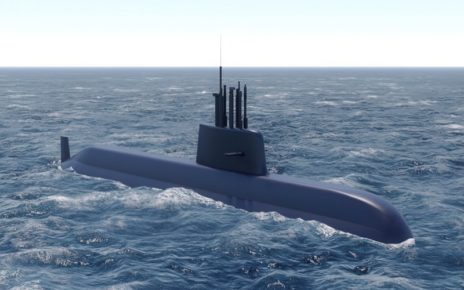
Not Just a Submarine: South Korea’s Bid and Canada’s Indo-Pacific Strategy
Posted on Author Tasneem Gedi
As Ottawa weighs its next submarine fleet, the stakes extend far beyond procurement. Tasneem Gedi argues that South Korea’s KSS-III could help Canada restore its undersea capabilities, strengthen its Indo-Pacific posture, and lay the foundation for a deeper defence relationship with Seoul. In a more demanding world, that makes this a strategic decision with consequences well beyond the navy itself.