


NATO Association of Canada
The mission of NATO Association of Canada is to promote peace, prosperity, and security through knowledge and understanding of the importance of NATO.
We strive to educate and engage Canadians about NATO and NATO’s goal of peace, prosperity and security. NATO Association of Canada ensures that we have an informed citizenry able to contribute to discussions about Canada’s role on the world stage.
As a leading member of the Atlantic Treaty Association (ATA), NATO Association of Canada has strong and enduring ties with sister organizations in many of the alliance countries, as well as members of NATO’s “Partnership for Peace” and “Mediterranean Dialogue” programmes. The NAOC has had a leading role in the recent transformation and modernization of the ATA, and helped to create and develop the Youth Atlantic Treaty Association (YATA).
The NAOC has strong ties with the Government of Canada including Global Affairs Canada and the Department of National Defence. We are constantly working to create and maintain relationships with international organizations such as the World Bank Group, the European Bank of Reconstruction and Development, NATO Headquarters, the International Criminal Court, and other prominent international NGOs and think tanks.
Related Articles

Canada’s NATO Podcasts: Interview with Juxhina Sotiri Gjoni
Posted on Author Magdalena Surma
Listen as Magdalena Surma interviews Juxhina Sotiri Gjoni about her experience serving as the Vice President of Public Diplomacy for the Youth Atlantic Treaty Association.
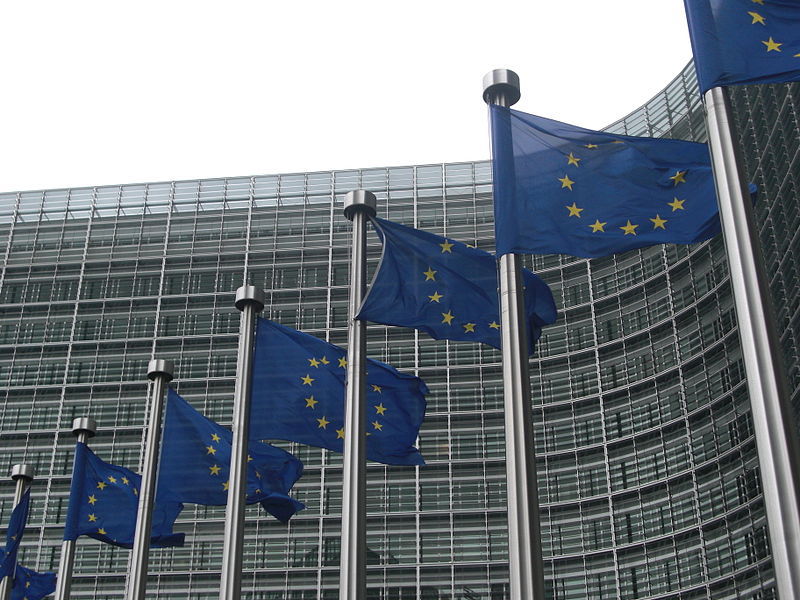
The Birth of a European Defence?
Posted on Author Léo-Paul Jacob
The lack of cooperation in the field of defence has a high cost for the EU. The Commission recently presented a plan to solve this problem. Is it the first step towards a common EU defence?

Saudi-Iranian Rivalry Politicizes OPEC and Derails Doha Deal
Posted on Author Adlan Taramov
Adlan Taramov analyzes recent OPEC Doha meeting and its outcome in the context of global oil price war and Saudi-Iran rivalry.