

NATO Association of Canada
The mission of NATO Association of Canada is to promote peace, prosperity, and security through knowledge and understanding of the importance of NATO.
We strive to educate and engage Canadians about NATO and NATO’s goal of peace, prosperity and security. NATO Association of Canada ensures that we have an informed citizenry able to contribute to discussions about Canada’s role on the world stage.
As a leading member of the Atlantic Treaty Association (ATA), NATO Association of Canada has strong and enduring ties with sister organizations in many of the alliance countries, as well as members of NATO’s “Partnership for Peace” and “Mediterranean Dialogue” programmes. The NAOC has had a leading role in the recent transformation and modernization of the ATA, and helped to create and develop the Youth Atlantic Treaty Association (YATA).
The NAOC has strong ties with the Government of Canada including Global Affairs Canada and the Department of National Defence. We are constantly working to create and maintain relationships with international organizations such as the World Bank Group, the European Bank of Reconstruction and Development, NATO Headquarters, the International Criminal Court, and other prominent international NGOs and think tanks.
Related Articles

The New Age of Terrorism in Canada
Posted on Author Krista Burns
Krista Burns discusses the nature of homegrown terrorism in Canada and suggests how can it be prevented.

The Age of Crises? A Primer for the Mid-Twenty-First Century
Posted on Author Joseph De Sapio
The British historian Eric Hobsbawm once argued that the nineteenth century had three fundamental periods of change: the “Age of Revolution,” “Age of Capital,” and the “Age of Empire,” which subsequently formed the titles for his magisterial history of that century. His further look at the twentieth century was neatly summarized as the “Age of Read More…
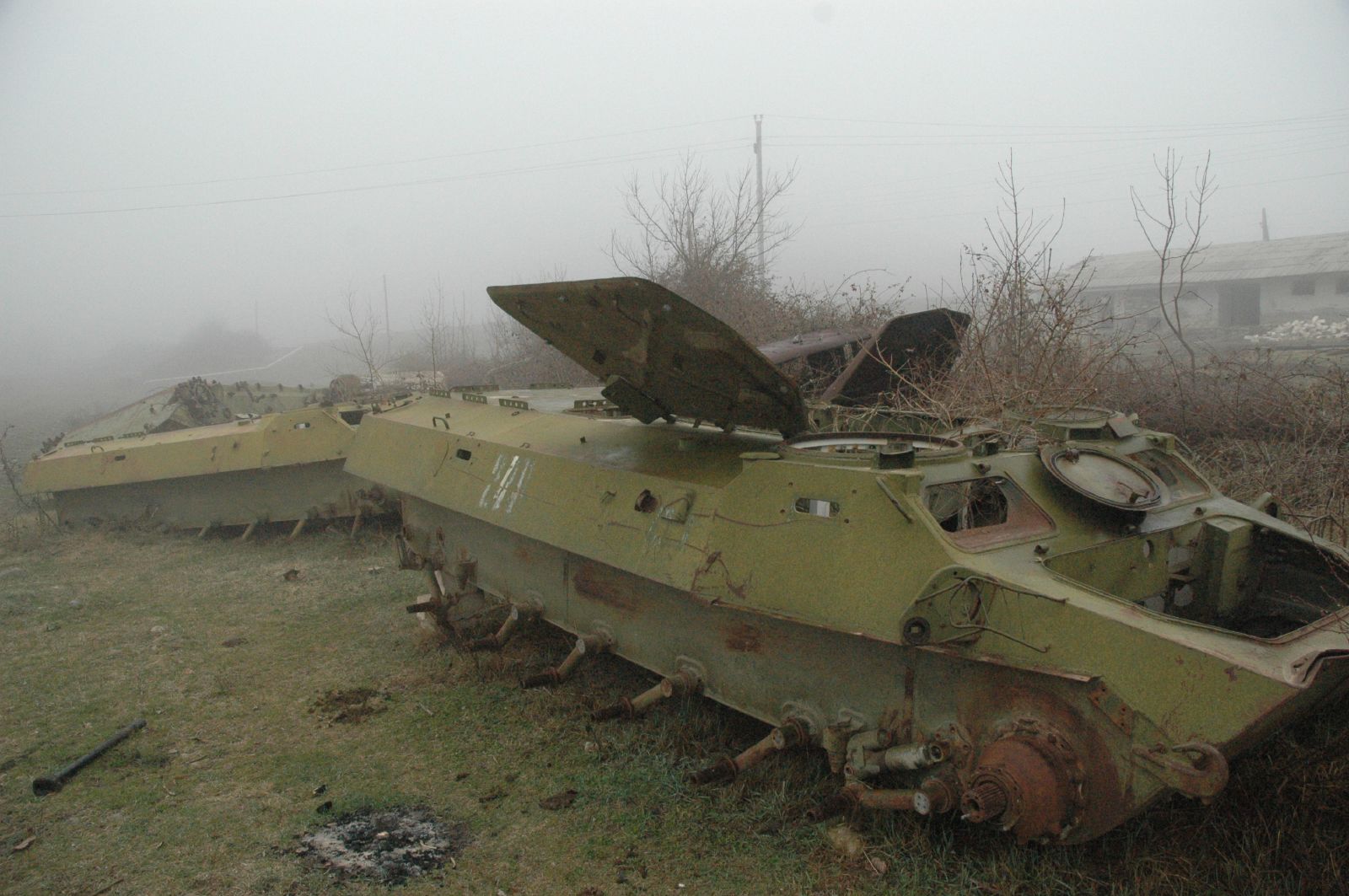
Frozen Conflicts, Part I of III: Nagorno-Karabakh and Stability in the South Caucasus
Posted on Author Sonia Liang
In Part I of a three-part series on frozen conflicts in post-Soviet Europe, Sonia Liang examines the impact of Nagorno-Karabakh on stability in the South Caucasus, and the geostrategic interests of both great and small powers in shaping the conflict.