To understand the political realities of Canada and Germany today, one must begin with a map. In both countries, polarization takes shape not just in rhetoric but in the growing distance between city skylines and rural streets. Politics has been reorganized by a new geography of power, with cities now concentrating population, investment, and cultural Read More…

Tag: Germany
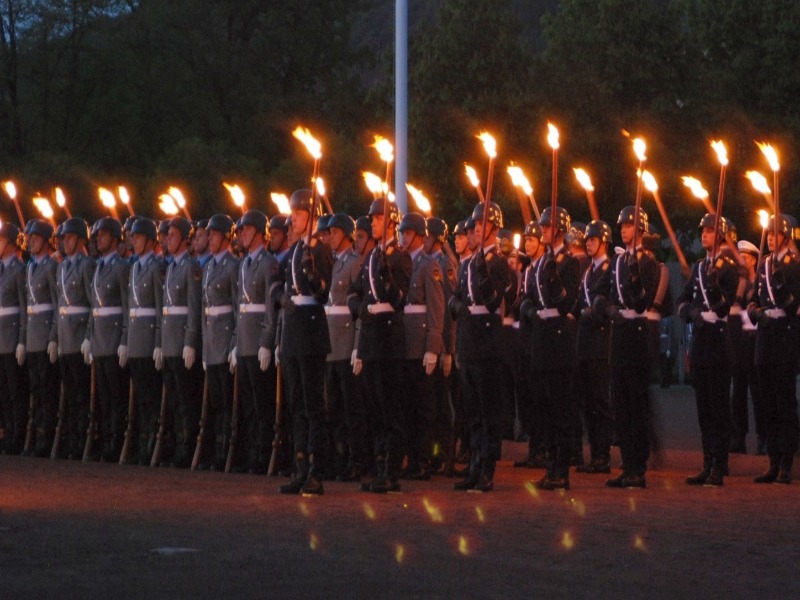
Conscription if necessary? Learnings for Canada from Germany’s reintroduction of conscription
Germany is the latest NATO ally to take steps towards introducing conscription. Is this a sign for Canada that conscription is necessary for us to meet our NATO commitments? In this article, Rudy Yuan examines the multifaceted legacy of conscription in Germany and Canada, evaluating the cultural and military soundness of such a policy.
How Canada Can Reach 2%: Learning from Allies
For decades, NATO has maintained a clear benchmark for defence spending: 2% of a nation’s GDP. This figure signifies a commitment to collective security. However, as of 2024, Canada spends only about 1.4% of its GDP on defence. With increasing pressure from NATO allies and a shifting global security landscape, Canada faces the pressing question: Can Read More…
Toward a “Green Diplomacy”: The Case of the Canada-Germany Hydrogen Alliance
In August 2022, Canada and Germany formed energy and mineral partnerships. This article considers the successes and limits of Canada’s evolving effort to align energy security with the imperatives of climate change.
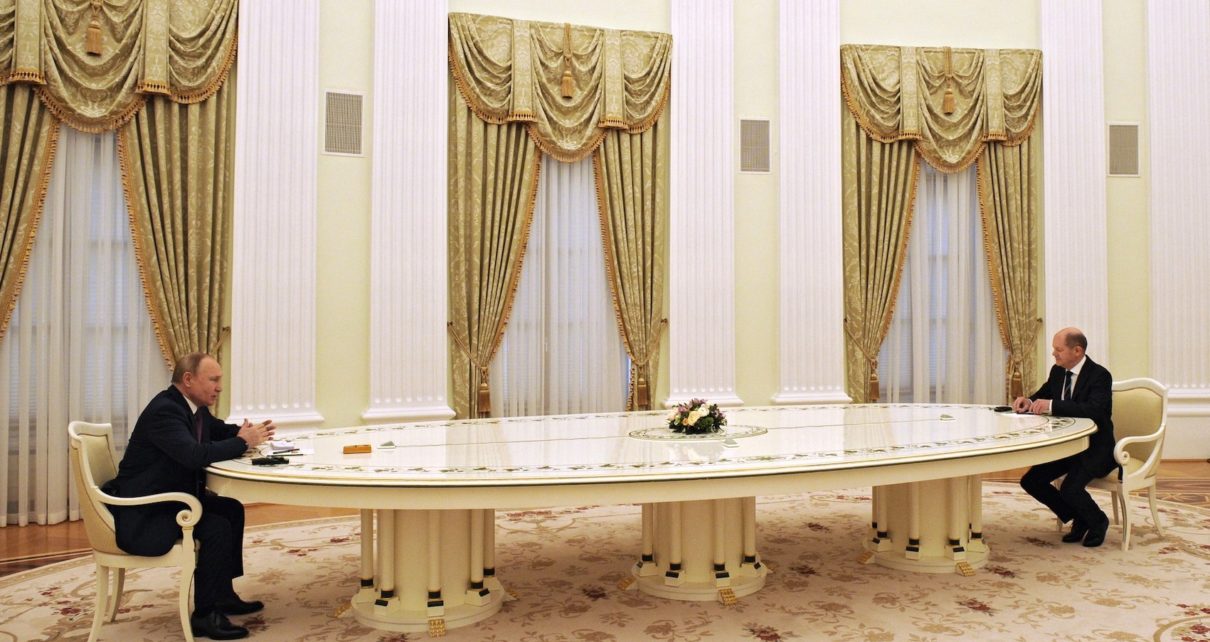
Special Report: Germany Must Abandon Ostpolitik
For over fifty years, Germany hoped that a conciliatory approach predicated on close economic ties, and diplomatic and cultural rapproachement in its Russia policy – commonly known as Ostpolitik – would warm Russia to the West. Two Russian invasions of Ukraine and many sanctions later, it has become abundantly clear that Berlin’s orthodox policy towards Moscow has Read More…
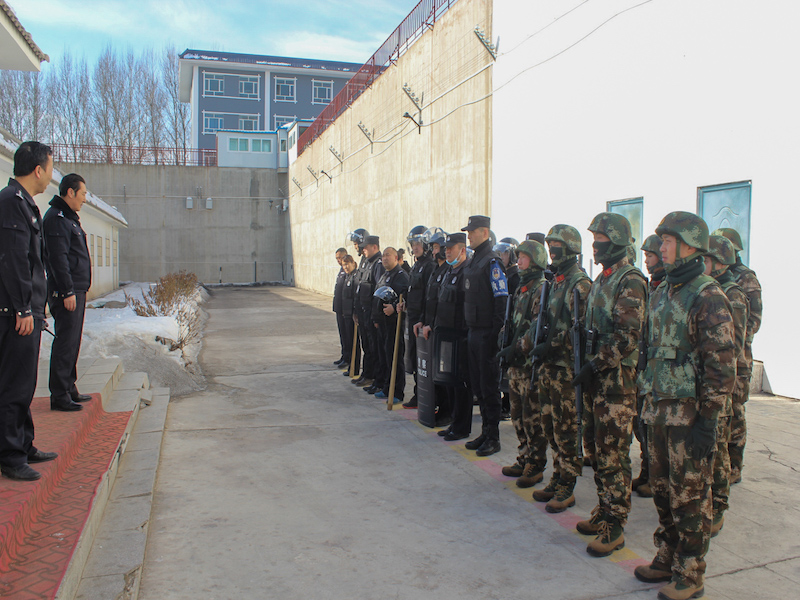
The Xinjiang Police Files and their implications for NATO’s China policy
The most drastic leak to date of files out of Xinjiang is causing leaders in NATO to review their stance on China. What are the implications of this link on NATO and members’ strategic independence?
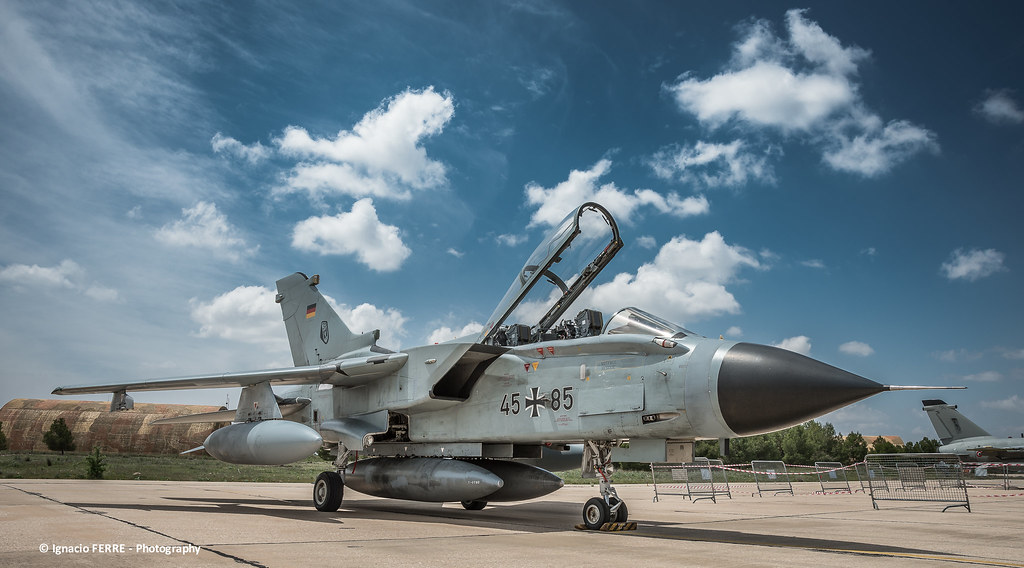
Germany’s Tornado Gap: Nuclear-Sharing and the F-35
Germany’s underfunding in the development of a new fighter-bomber leaves a capability gap in NATO’s nuclear sharing agreement when the Tornado retires in 2030. Germany must now turn to the F-35 to fill the gap.
Germany’s Misguided Rejection of Nuclear Power
In the early 2000s, German Chancellor Gerhard Schroeder convinced his government to take the decision to phase out all German nuclear power plants by 2036. This decision would eventually make Germany more dependent on the Nord Stream 1 (NS1) pipeline, which entered service in 2011 and runs under the Baltic Sea directly from Russia. Schroeder’s Read More…
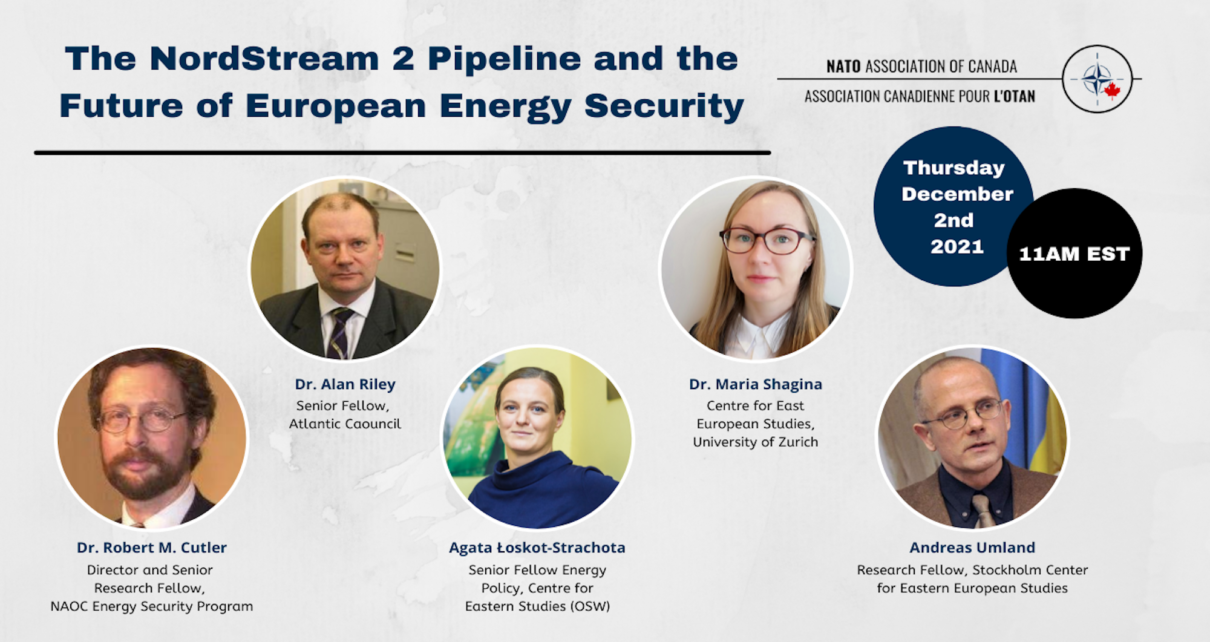
The NordStream 2 Pipeline and the Future of European Energy Security
Title: The NordStream 2 Pipeline and the Future of European Energy SecurityFeatured Speakers: Dr. Robert M. Cutler Senior Research Fellow and Director, Energy Security Program NAOC; Dr. Alan Riley Senior Fellow, Atlantic Council; Agata Łoskot-Strachota Senior Fellow, Energy Policy, Institute for Eastern Studies (OSW); Dr. Maria Shagina Centre for East European Studies, University of Zurich; Andreas Read More…
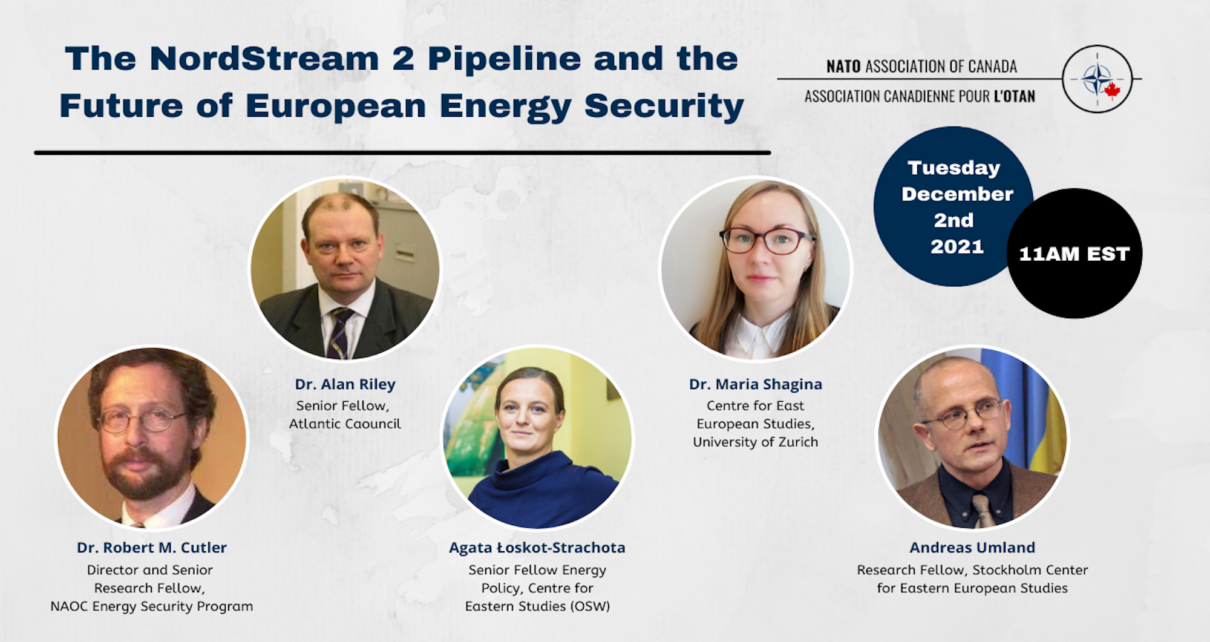
The NordStream 2 Pipeline and the Future of European Energy Security
This event was live broadcast on our YouTube channel, and a recording can be viewed here. Russia’s NordStream 2 gas pipeline to Germany remains very much in the news, especially as winter looms in Europe. What are the chances that the pipeline will overcome legal and regulatory hurdles to enter into service; and if it Read More…