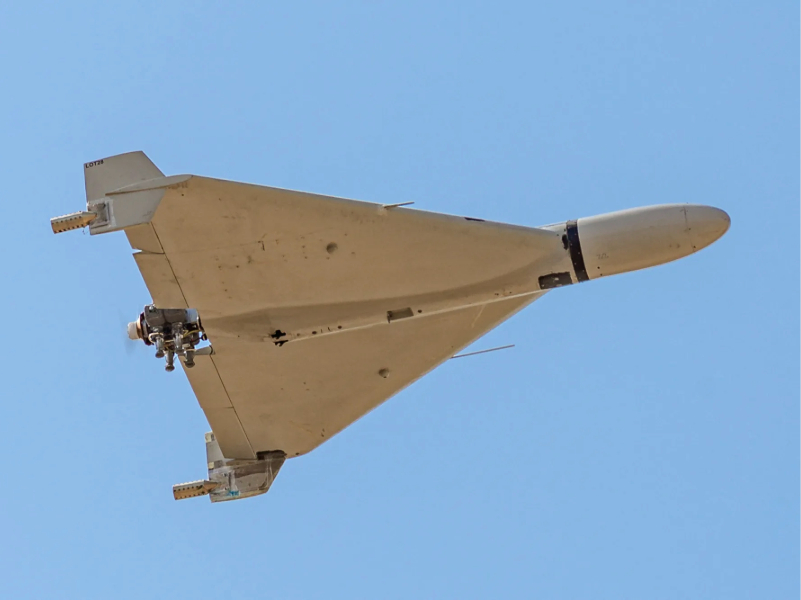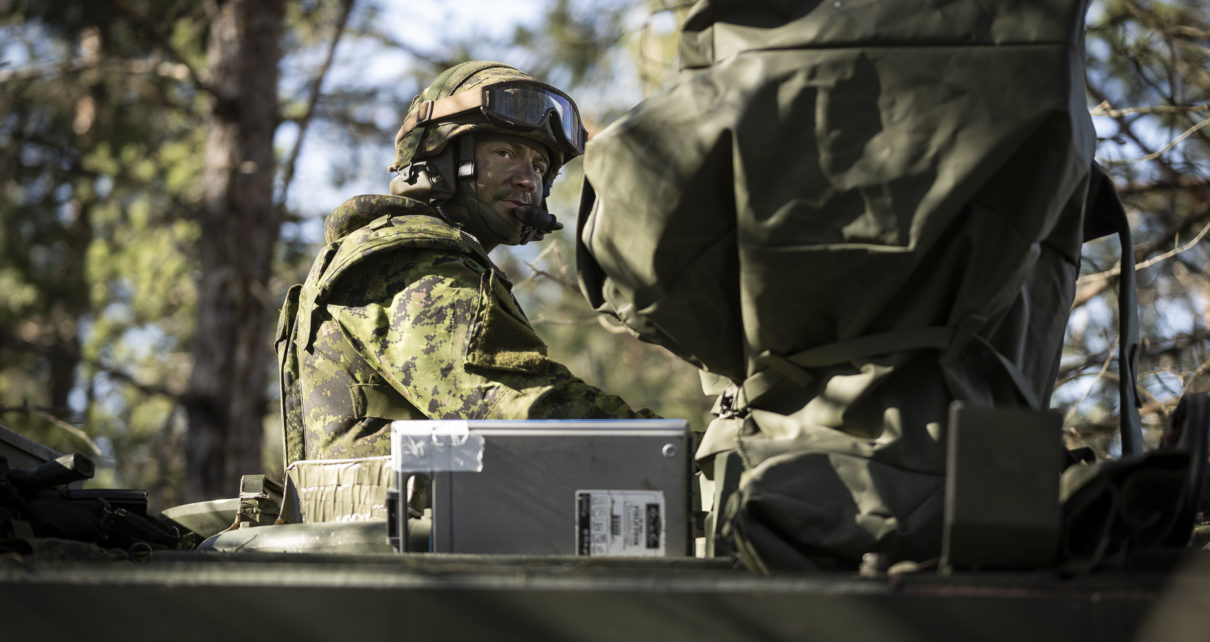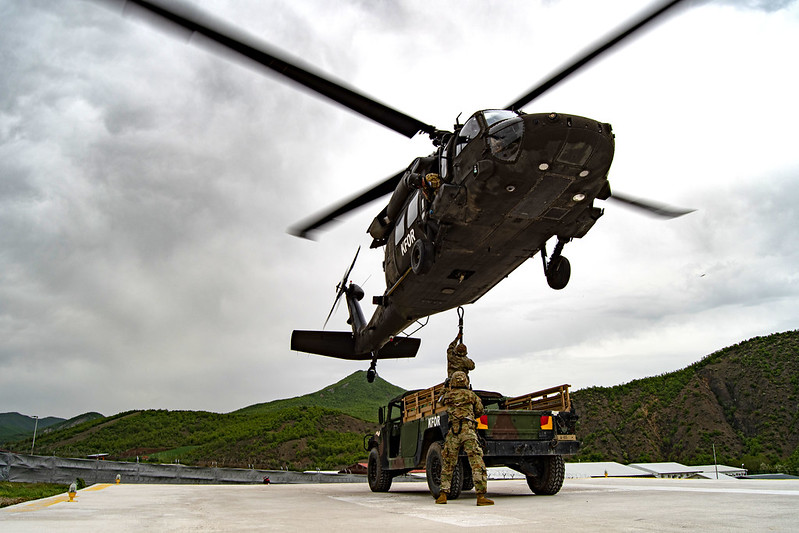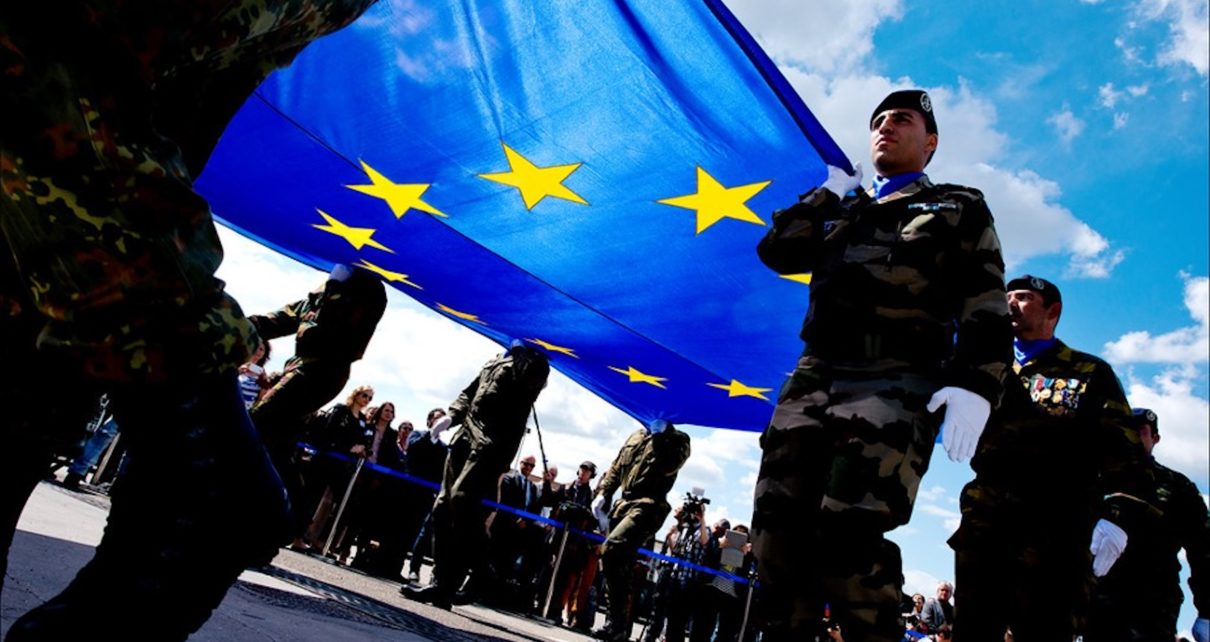
Eight years after the start of Canada’s mission to Latvia, Ottawa continues to increase its commitment to the NATO multinational formation. Arguably, this is the most important component of Canada’s defence policy and a key part of the country’s foreign policy. The enhanced forward presence brigade led by Canada is one of several formations which serve to deter Russian aggression. These ‘tripwire forces’ aim to ensure that in the event of a Russian attack, many member states would be involved, guaranteeing a general response from the alliance. Beyond this, Canada’s leadership serves as a strong example of the country’s value to the alliance and reassures allies that they would not be abandoned in the event of war.
Tag: European Security
Canada’s Stance on NATO Enlargement
Introduction Since its inception in 1949, NATO has grown from 12 to 32 members, a process formally known as enlargement. In accordance with Article 10 of the North Atlantic Treaty, membership is open to all European countries so long as they commit to NATO’s principles and meet the Alliance’s requirement for defence spending, along with Read More…
NATO in Kosovo: Redefining “Success” 26 Years Later
Twenty-six years following NATO’s intervention in Kosovo, tensions between ethnic groups continue to plague political discourse and trigger violent flare-ups. Kosovo’s stability depends on the presence of KFOR troops and Serbia has turned increasingly closer to Russia. Such issues beg the question: how do we define the success of NATO’s mission in Kosovo?
Towards a Stronger Europe: EDIS Feasibility and Collaboration for Enhanced Defence Resilience
Europe faces unprecedented security challenges, and the European Commission is seeking the opportunity to transform its defence-industrial base by creating the European Defence Industrial Strategy (EDIS), pledging €1.5 billion to support this initiative between (2025-2027). Critical procurement vulnerabilities have been exposed since the COVID-19 pandemic, Russia’s invasion of Ukraine, and the potential return of a Trump administration. Addressing these vulnerabilities and diversifying Read More…
The Far-Right Supporting NATO? Giorgia Meloni and Italy’s New Government
Will the newly elected Giorgi Meloni maintain ties with NATO? Barış Atakan Kafadar examines the implications of the new Italian far-right government on NATO-Italy relations.
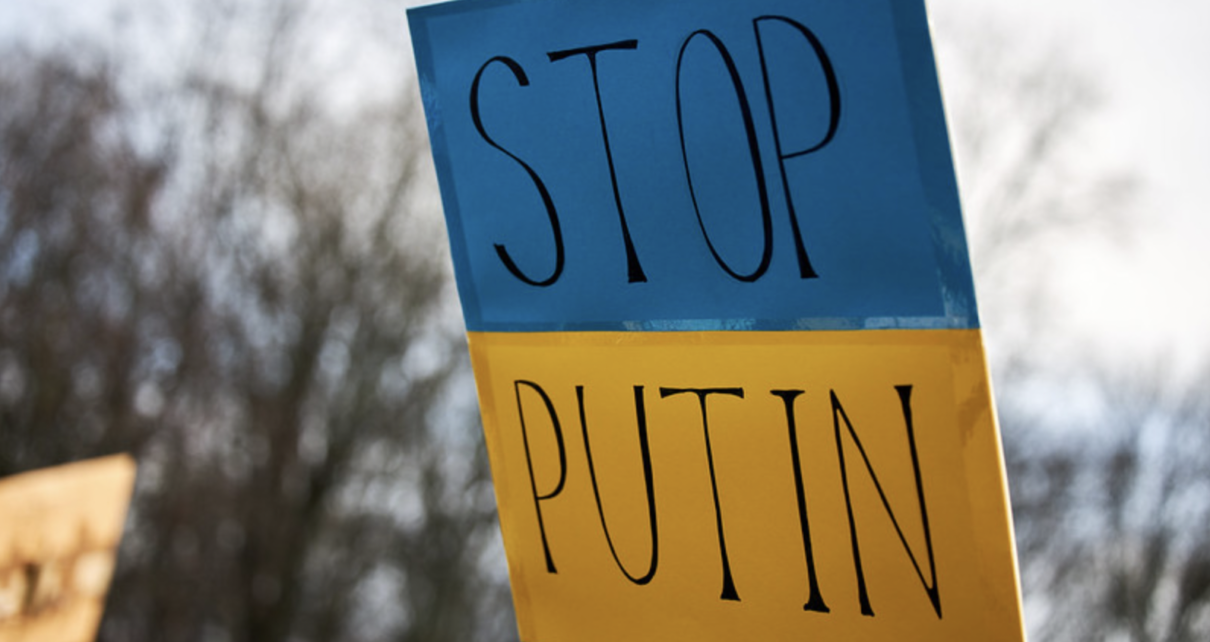
Putin’s War Has United Europe
In this article, Jordan McEwen discusses the European Union’s improved cooperation and how this may have been triggered by Russia’s invasion of Ukraine. Contrary to those who maintain that Europe’s unity over Ukraine is fading, she argues that member states shared concern for their security may be allowing for better cooperation than ever before.
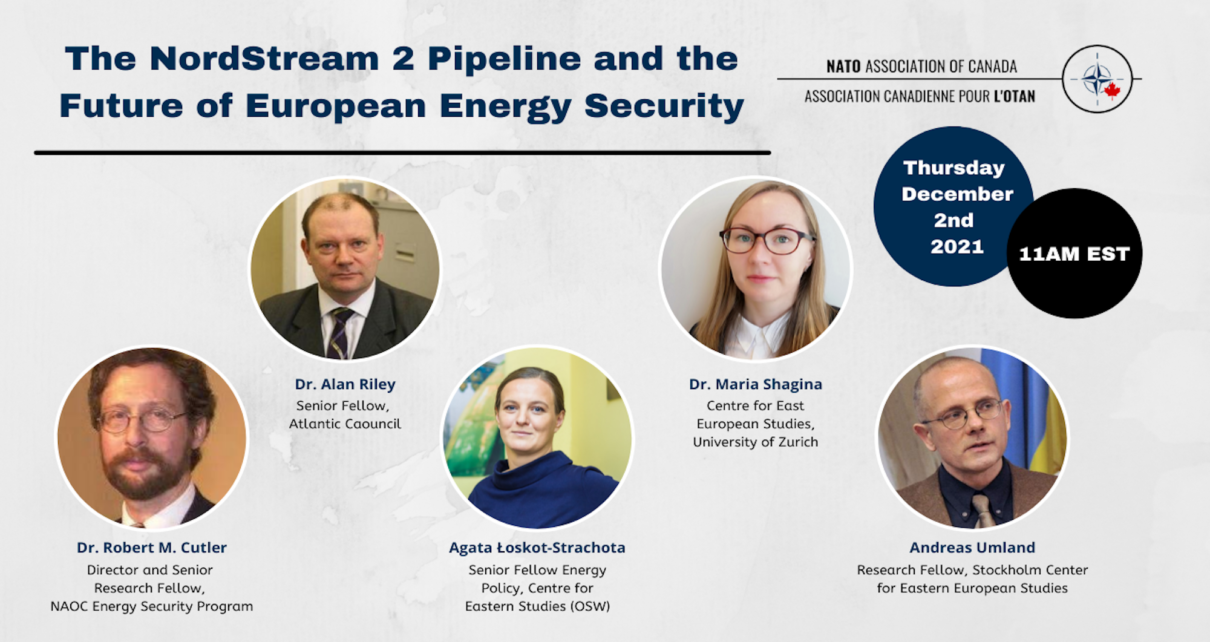
The NordStream 2 Pipeline and the Future of European Energy Security
Title: The NordStream 2 Pipeline and the Future of European Energy SecurityFeatured Speakers: Dr. Robert M. Cutler Senior Research Fellow and Director, Energy Security Program NAOC; Dr. Alan Riley Senior Fellow, Atlantic Council; Agata Łoskot-Strachota Senior Fellow, Energy Policy, Institute for Eastern Studies (OSW); Dr. Maria Shagina Centre for East European Studies, University of Zurich; Andreas Read More…
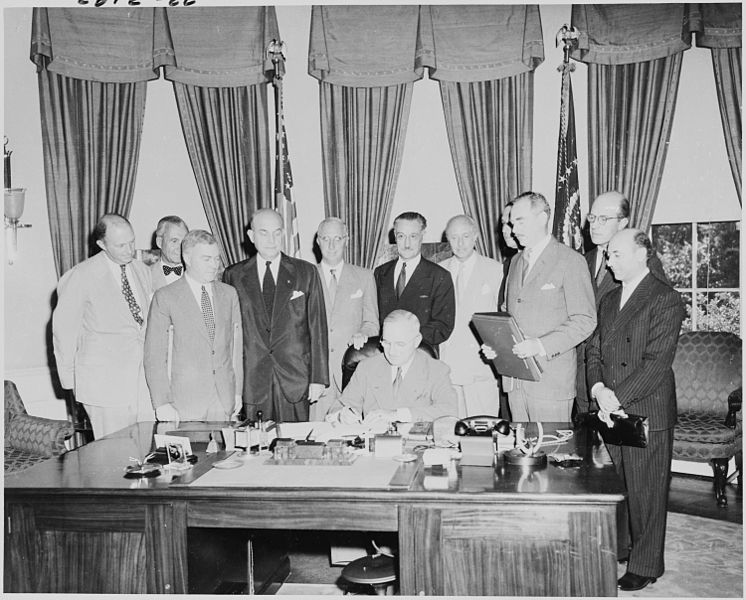
A History of NATO – Infographic
As we celebrate the 80th anniversary of the Atlantic Charter on August 14th, 2021, Eric Jackson highlights key historical events that have shaped NATO’s purpose.
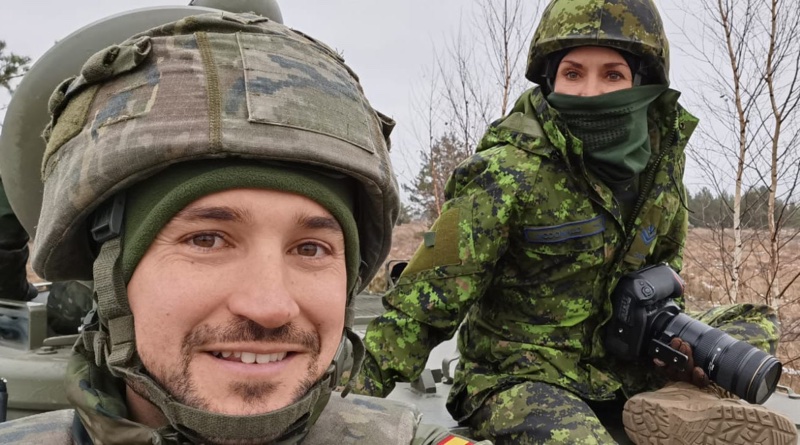
Today’s Reporter, Tomorrow’s Historian: The Story of Sgt Donnie McDonald and Operation REASSURANCE
Canadians are proud contributors to international peace and security. Eric Jackson tells the story of Sgt Donnie McDonald, an Imagery Technician deployed to Latvia for over seven months as part of Operation REASSURANCE.
Eureka in Europe? The response by G7 and NATO countries to threats new and old
Following the productive 2021 G7 and NATO Summits, Eric Jackson explores two overlapping security issues addressed by the nations and identifies areas for future improvement.