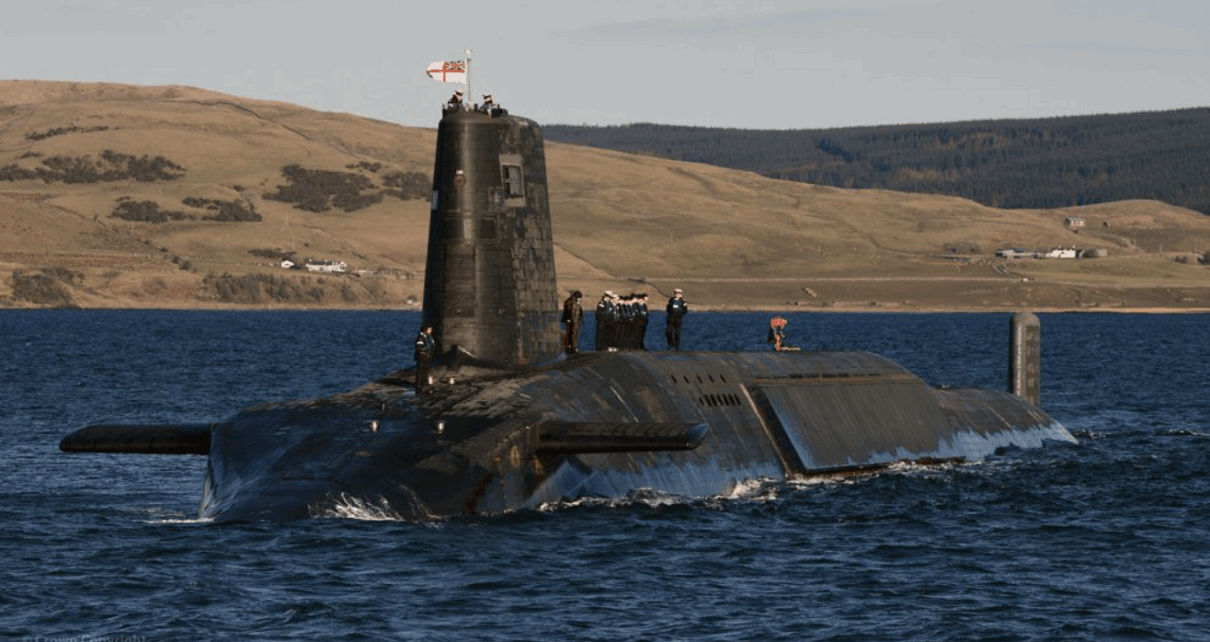
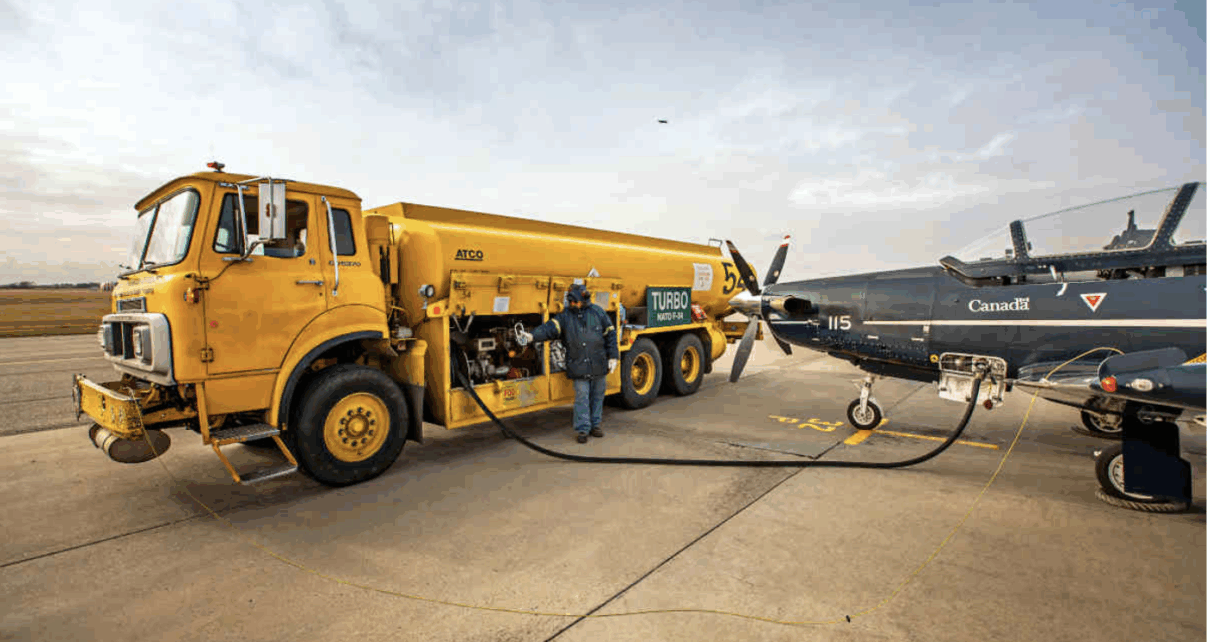
For the first time since the end of the Cold War, Canada has achieved NATO’s 2% defence expenditure target under the leadership of Prime Minister Mark Carney. While the increase in spending does strengthen Canada’s credibility within the North Atlantic Treaty Organization (NATO) and supports domestic defence-related industries and employment, the 2% target does not measure actual military effectiveness. Can Canada convert higher defence expenditures into deployable capabilities, procurement reform, personnel increases, and reduced dependence on the United States?
Tag: economy
The Canada Strong Fund and NATO Obligations: Is Canada Investing or Mortgaging?
As Canada simultaneously hits NATO’s 2% defence spending threshold and launches a debt-financed sovereign wealth fund, Kaya Dupuis asks whether Ottawa can credibly afford both. This article examines whether the Canada Strong Fund can serve as a genuine NATO defence-industrial asset, or whether its borrowed foundation will undermine the very commitments it is meant to support.
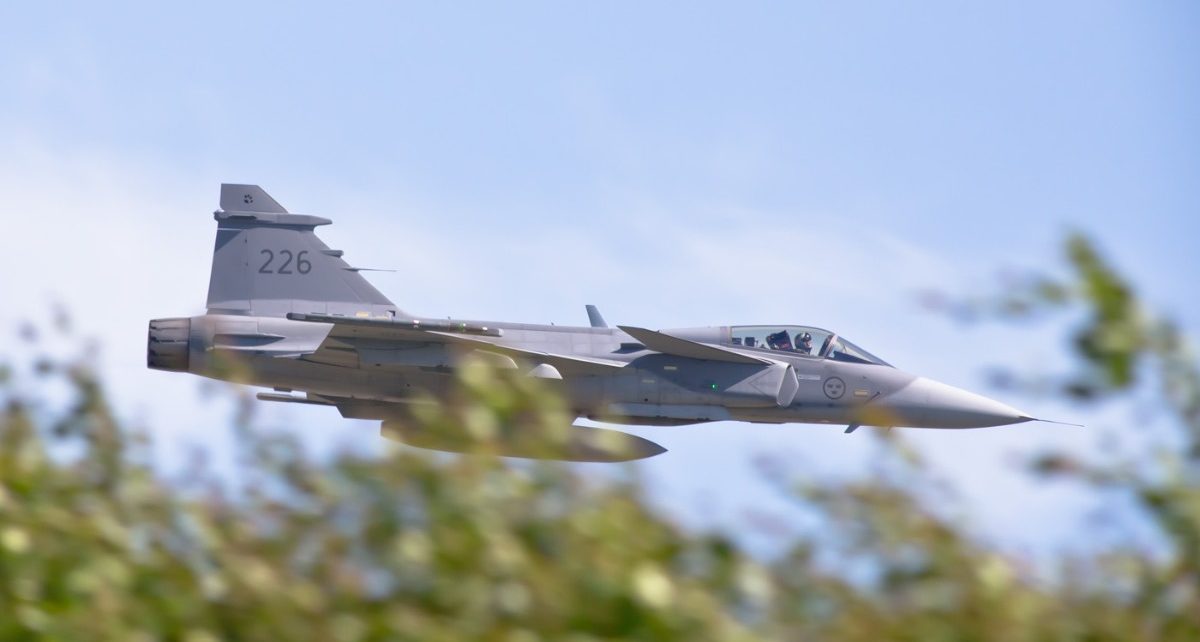
Caught between Allies and Autonomy: What the F-35 vs Gripen Dilemma means for Canada’s Defence and Security
Canada’s decision to replace its aging CF-18 fleet has taken on new geopolitical weight. Initially committed to procuring 88 F-35s, Ottawa began reconsidering further orders in 2025 amid deteriorating US-Canada relations, turning its attention to Sweden’s Gripen as an alternative. This article evaluates the two programs across four dimensions: homeland defence, alliance interoperability, industrial sovereignty, and combat performance. It finds that while the F-35 offers superior stealth and NATO integration, the Gripen presents compelling advantages in Arctic operability, cost efficiency, and supply chain independence. Ultimately, the right choice depends on whether Canada prioritizes allied commitments or long-term defence autonomy.
The power of Atom, shared: Future of Canada’s extended nuclear deterrence within NATO.
Recent shifts in US defence policy have cast doubt on the reliability of the American nuclear umbrella that Canada and NATO allies have relied on for decades. While European states explore alternative deterrence arrangements through possible nuclear sharing by France and the UK, Canada’s access to these options is limited by its geography. This article argues that Canada can address this vulnerability without compromising its non-proliferation commitments by deepening its role in NORAD. Canada’s strategic importance to North America’s Arctic defence gives Ottawa unique leverage – which it should actively use to reinforce its membership within the American extended nuclear deterrence in face of mounting global security challenges.
Understanding Canada’s Trade Diversification Policy and Lessons for other NATO States
Could Canada’s new trade policy serve as a template for the rest of NATO? This article analyses Canada’s trade diversification strategy as a case study to assess its viability as a model for achieving economic security among NATO member states.
What does the Venezuelan Oil Situation mean for Canadian Energy Security in the NATO Alliance?
In this article, Kaya Dupuis examines how the U.S. seizure of Venezuelan oil reserves in January 2026 creates an unprecedented opportunity for Canada to reshape North American energy dynamics. Can Canada move fast enough to capitalize on Venezuela’s decade-long recovery timeline and secure its position as the continent’s energy supplier before the window closes?
Financing Resilience in Critical Minerals: How Allies Are De-Risking with Policy
Supply chain dominance is an easy path to economic coercion. As critical minerals become more vital than ever in a world of increasing tensions, securing network resilience is necessary to security. When the question of “friend or foe” can be a blurred one, allies band together to mitigate risk through policy and cooperation.
Trusted site readiness: Canada’s edge in a shifting global FDI landscape
Foreign Direct Investment (FDI), defined as an investment where a person or company from one country acquires 10% or more of the voting shares, or equivalent ownership of a business enterprise in another country, is central to Canada’s long-term competitiveness. Trusted, high-quality FDI strengthens economic resilience by anchoring supply chains, transferring technology, and building local Read More…
The Instrumentalization of Disinformation in the US-Canada Trade War
The trade relationship between Canada and the United States of America (U.S.A) is one of the largest and most integrated in the world, with the combined value of imports and exports between both countries exceeding the $1 trillion mark for the third consecutive year in 2024. Additionally, Canada is the U.S.A.’s most significant export recipient, Read More…
Mineral Mania: Canada’s Critical Mineral Opportunity
At an increasing rate, critical minerals are at the forefront of international relations. Critical minerals are a hot topic not only in the business sphere but also the defence sphere.This is especially true now, with President Donald Trump pushing Ukraine to sign over its critical mineral rights to the United States. This demand is presented Read More…