Canada Energy Security Europe

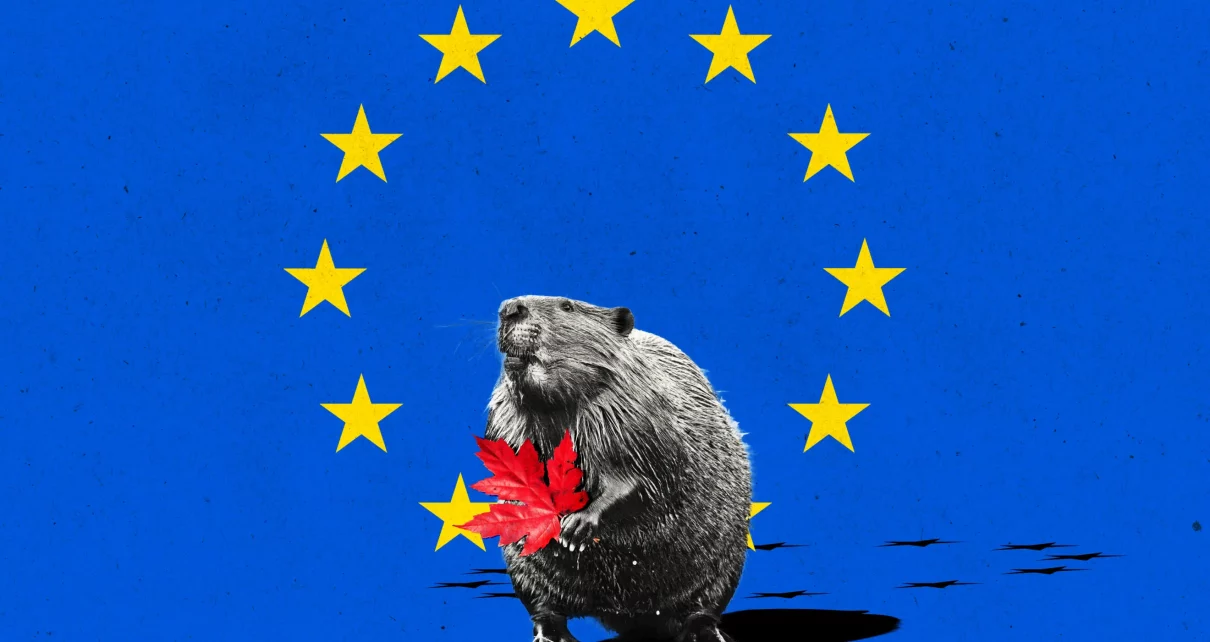
One Energy Dependence for Another: Europe, US LNG, and Canada’s Opportunity

Since the 2022 Russian invasion of Ukraine, the European Union has moved to end reliance on Russian energy. On 26 January 2026, the Council adopted a stepwise ban on imports of Russian pipeline gas and liquefied natural gas (LNG), with a full ban on LNG from the beginning of 2027 and on pipeline gas from Read More…

NATO and Canada

From Mines to Mandates: Critical Minerals as the Key to Meeting Canada’s NATO Contributions

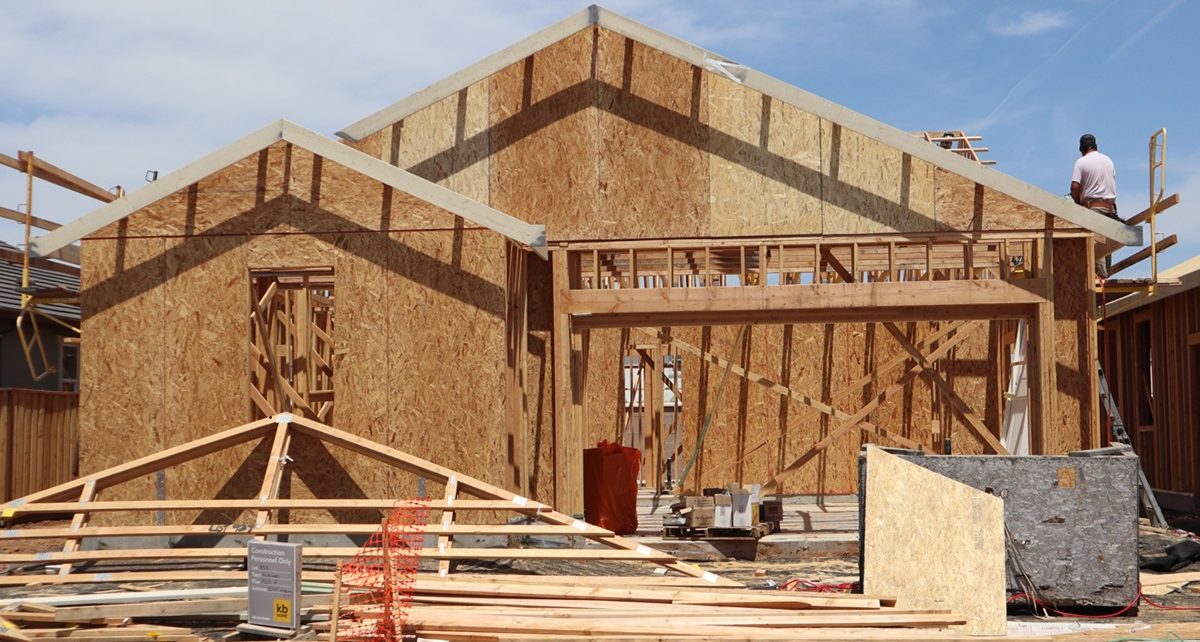
At the 2025 NATO Summit, Prime Minister Mark Carney announced that critical mineral expenditures would contribute to Canada’s 5% NATO defense spending contribution. Key to this new positioning is the building of essential industrial infrastructure necessary for critical mineral development and exportation, of which 1.5% of the new commitment is dedicated to. This new approach Read More…

Daria Synelnykova Previous Events

Charting Ukraine’s Pathway Toward a Just Peace with Canada & NATO Allies – Panel Report

On February 23, 2026, the NATO Association of Canada (NAOC), in partnership with the Canada-Ukraine Parliamentary Friendship Group and the Embassies of Ukraine and Lithuania in Canada, organized a panel discussion entitled “Charting Ukraine’s Pathway Toward a Just Peace with Canada & NATO Allies”. The event was dedicated to commemorating the 4th anniversary of the Read More…

Canadian Armed Forces

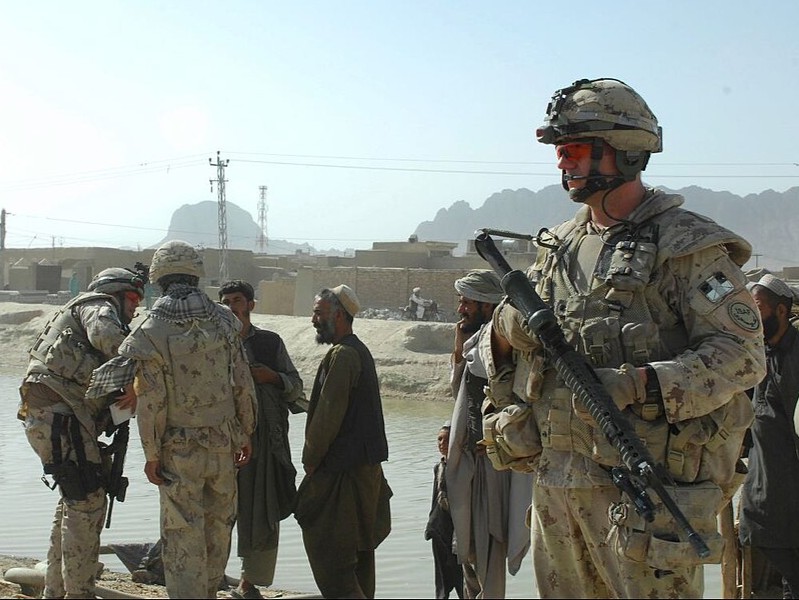
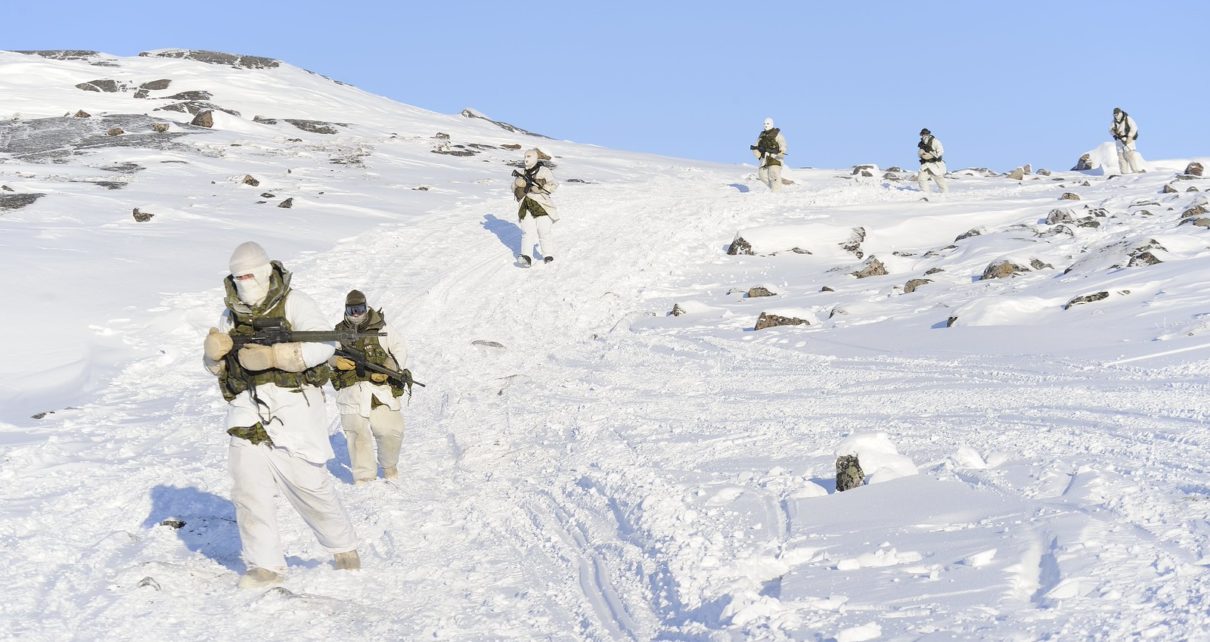
Decolonizing Deterrence: Integrating Human Centric Approaches to Arctic Defence 

How can Canada modernize its Arctic defence capabilities without repeating the environmental and social shortcomings of previous efforts?
Ross Manson examines how “decolonizing deterrence” is essential to countering increased Russian and Chinese influence in a region increasingly vulnerable to hybrid threats. Drawing on the legacy of the DEW
Line as a cautionary tale, this article demonstrates why Indigenous partnership and “dual use” infrastructure are strategic assets in building a resilient northern flank and what NATO allies can do to integrate human security concerns into regional sovereignty.

Centre For Disinformation Studies

Defending Solidarity After Warsaw’s Flag Incident

On 9 August in Warsaw, police detained 109 people during a concert by Belarusian singer Max Korzh for “drug possession, unlawful entry, assaults on security staff and use of pyrotechnics.” At the same event, one attendee displayed the red-and-black flag associated with the Ukrainian Insurgent Army (UPA). The symbol is contentious in Poland because the Read More…

Centre For Disinformation Studies

Spamouflage in Canada: How Targeted Disinformation Undermines Democracy

Two years have passed since Rapid Response Mechanism (RRM) Canada, which detects foreign interference and disinformation, identified the first Spamouflage campaign. First detected in 2023, the Spamouflage campaign refers to a covert disinformation operation that relies on networks of newly created or hijacked social media accounts, frequently seen to amplify narratives aligned with PRC (People’s Read More…

Centre For Disinformation Studies

What Canada Has Yet To Learn from Ukraine About Countering Disinformation

Imagine a government on the verge of a decision that will take years to implement and billions of dollars to sustain. A major defence procurement. A long-term NATO deployment. A new assistance package for an ally. On paper, everything looks orderly. Briefings are prepared. Consultations take place. Procedures are followed. Yet, even before the decision Read More…

Environment, Climate Change, and Security

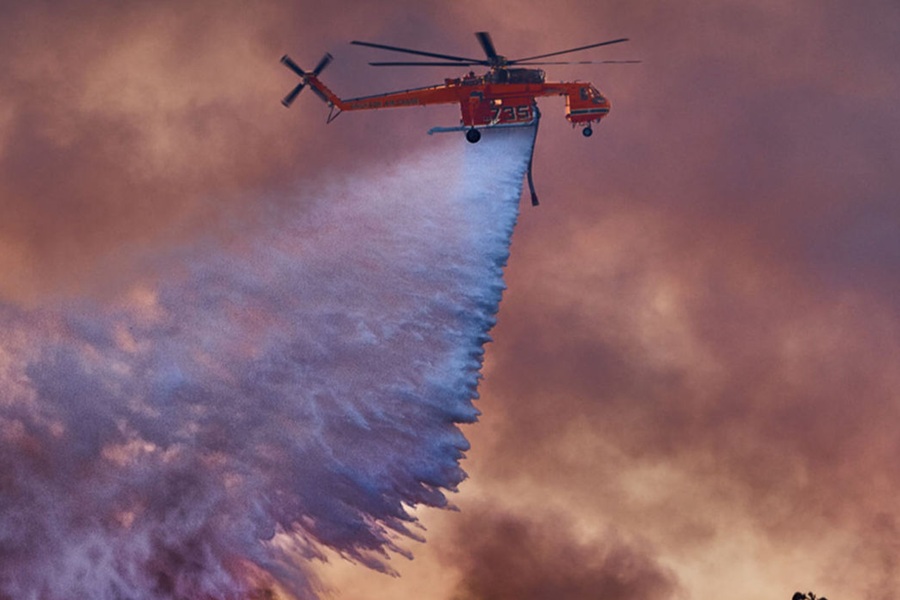
How the Canadian Army is Uniquely Positioned for the Intensification of Climate Change 

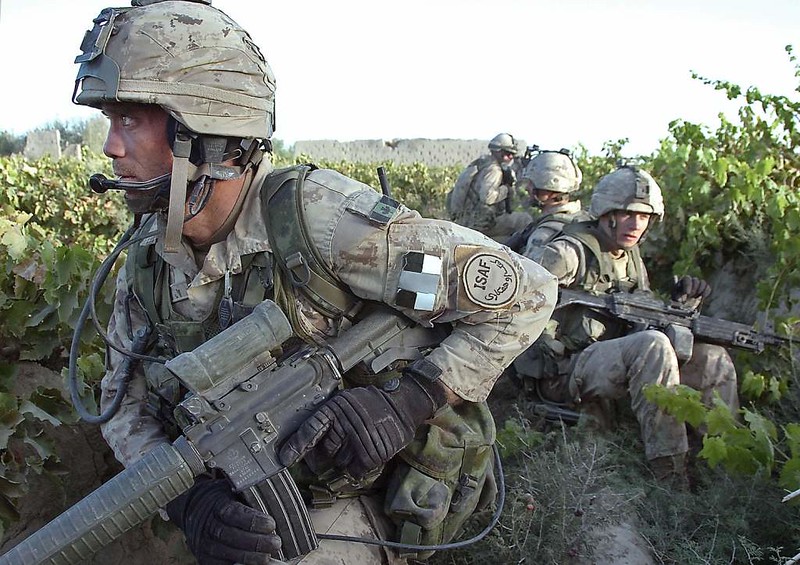
The world at present is situated before an interchange between growing geopolitical tensions and surging national defence budgets. Albeit, the cycle is complicated by the current Climate Crisis. It is no longer weapons or foes in which the battlefield is defined, but the environment itself. Modern armed forces, including Canada’s, must therefore confront threats emerging Read More…

Environment, Climate Change, and Security

How does community-level climate resilience in Canadian coastal communities contribute to NATO’s transatlantic security? 

Climate change is increasingly shaping the security environment across the North Atlantic. Extreme weather events, including flooding, wildfires, heatwaves, and coastal storms, are placing growing pressure on infrastructure, emergency response systems, and economic activity.  Recognising these dynamics, NATO’s 2022 Strategic Concept acknowledges that climate impacts affect military operations, degrade critical infrastructure and shape geopolitical competition. Read More…

4. Programs NATO and Canada

When Allies Become Threats: What U.S. Pressure on Greenland Reveals about NATO’s Fragility and Canada’s Arctic Vulnerability

Rachel Potter analyzes the geopolitical fallout of U.S. pressure on Greenland, arguing that it reveals a deeper fragility within NATO and raises a critical question for Canada: can alliance guarantees still be trusted when power begins to override restraint?