Tasneem is completing a Master’s degree in Security and Defence Studies at the University of Ottawa, focusing on how middle powers navigate alliance commitments and strategic trade-offs in today’s security environment. She holds an Honours BA in International Relations and History from the University of Toronto. She contributes to the NATO Association of Canada’s Indo-Pacific program, where she examines how NATO’s growing attention to the region shapes debates over priorities, resources, and alliance cohesion. She hopes to pursue a career in policy and eventually continue her academic training.
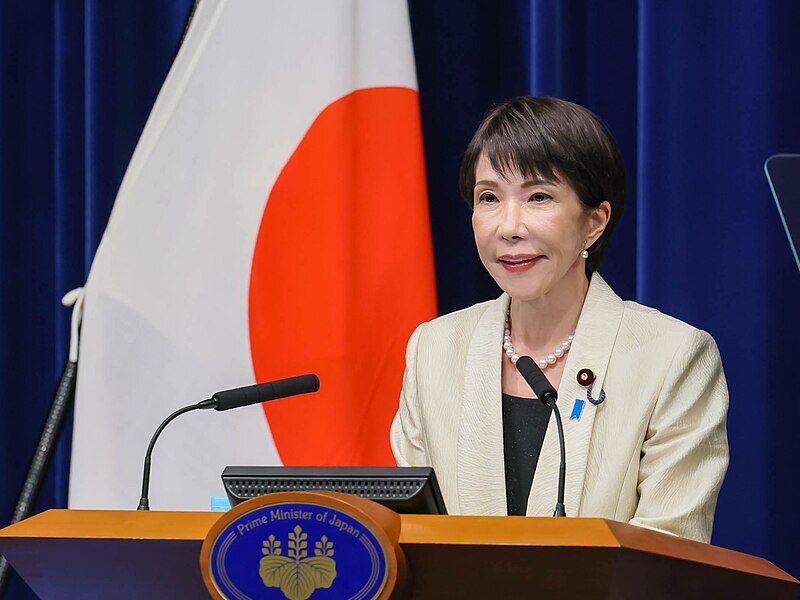
As Chinese pressure on Japan intensifies across military activity, economic coercion, and political influence, Prime Minister Sanae Takaichi’s has undertaken a review of Japan’s Free and Open Indo-Pacific Strategy in response to a harsher strategic environment. Tasneem Gedi argues, however, that FOIP’s credibility will ultimately depend on whether Tokyo can build a framework durable enough to hold as American support becomes less predictable and the alliance structure underpinning it comes under greater strain.
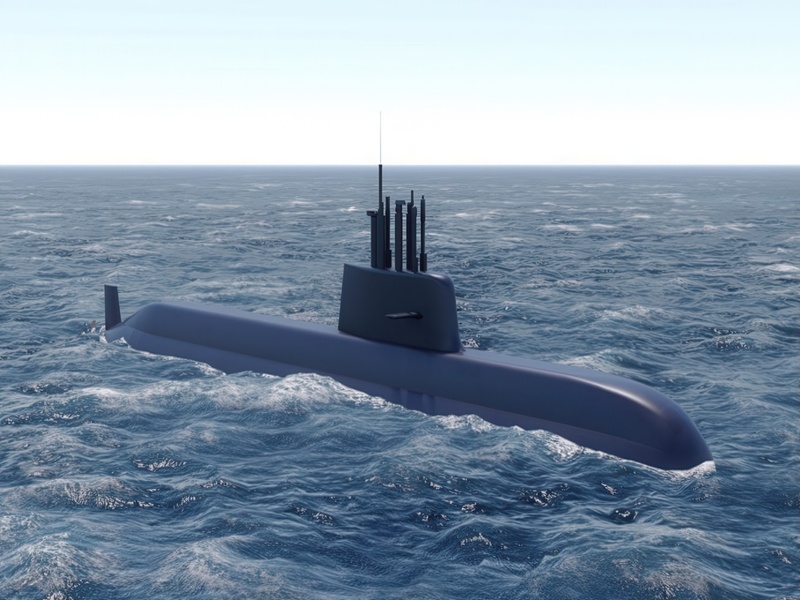
As Ottawa weighs its next submarine fleet, the stakes extend far beyond procurement. Tasneem Gedi argues that South Korea’s KSS-III could help Canada restore its undersea capabilities, strengthen its Indo-Pacific posture, and lay the foundation for a deeper defence relationship with Seoul. In a more demanding world, that makes this a strategic decision with consequences well beyond the navy itself.