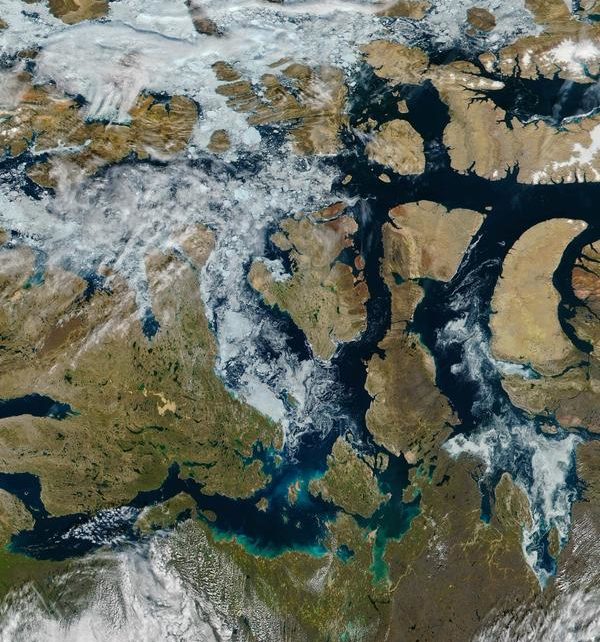
*This is the fourth instalment of a six-part series. Canada faces a number of challenges beyond those experienced by the Canadian Armed Forces that have further contributed to its inability to project sovereignty and security into the Canadian Arctic. These challenges have included: low Arctic population density, vast uninhabited areas, small remote settlements, and significant Read More…
Articles
What We Do Not Account For When Legislating Against Disinformation
In recent years, there have been increased calls for the Canadian government to introduce legislation against disinformation. Tighter laws have been requested in an attempt to reduce the digital flow of deliberately false information in Canadian political discourse around controversies like vaccines, especially during elections. For one, in 2022, Canada’s chief electoral officer Stéphane Perrault Read More…
Disinformation and Public Health in the Post-Pandemic Era: What COVID-19 Taught Canada and NATO About Resilience
The COVID-19 global pandemic was both a public-health crisis and a catalyst for an infodemic: the flood of misinformation and disinformation that spread as rapidly, if not more rapidly, than the virus itself. A systematic review by the World Health Organization (WHO) found that this infodemic undermined compliance with health measures, fragmented social cohesion, and Read More…
Uzbekistan’s Role in European Energy Security Is Changing
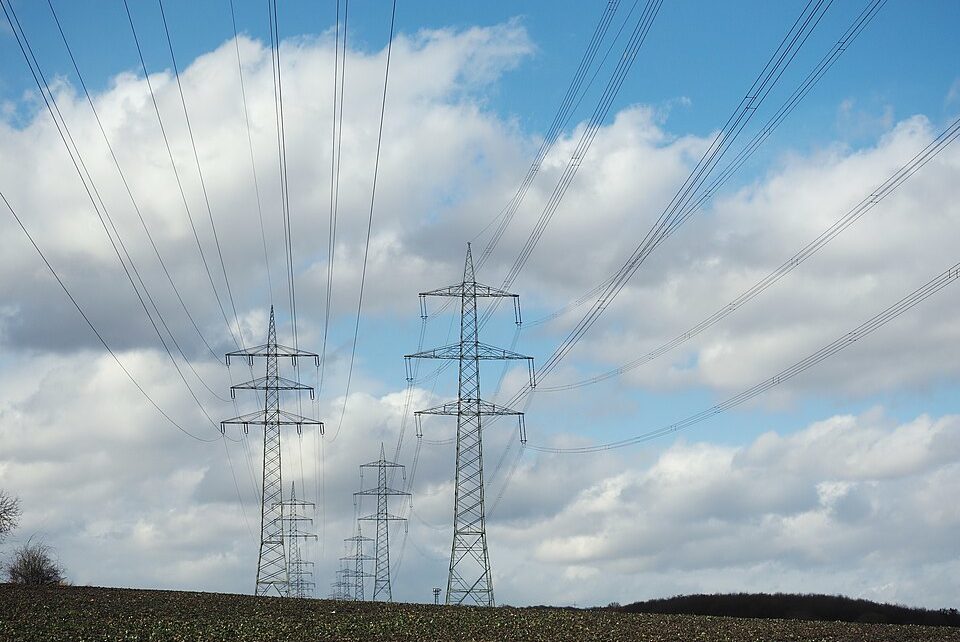
Uzbekistan’s significance for European energy security has grown, and there is every indication that it will grow further. For most of the post-Soviet period, and especially under President Islam Karimov from independence in 1991 until his death in 2016, its energy sector was run as a tightly controlled extension of the old Soviet system, which Read More…
Democratic Resilience in an Era of Autocratic Threats: NAOC Hosts Roundtable with the 2025 Peace with Women Fellowship
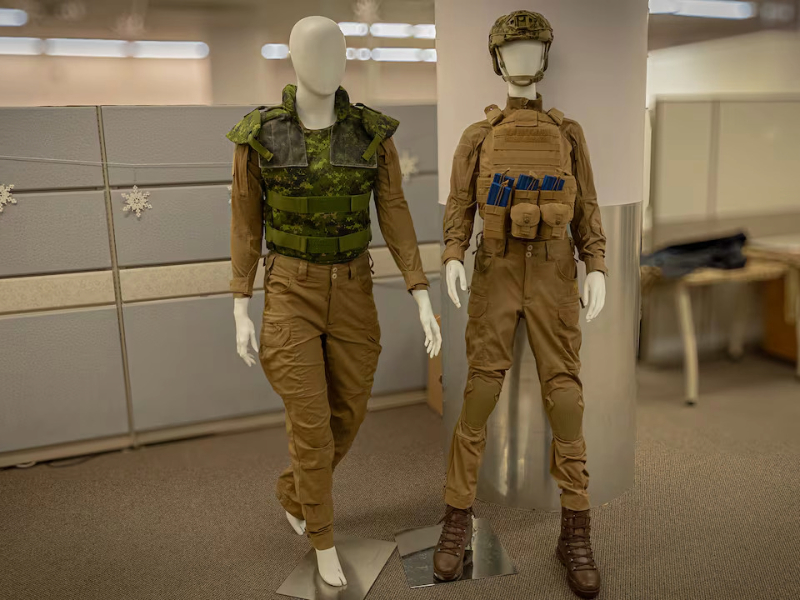
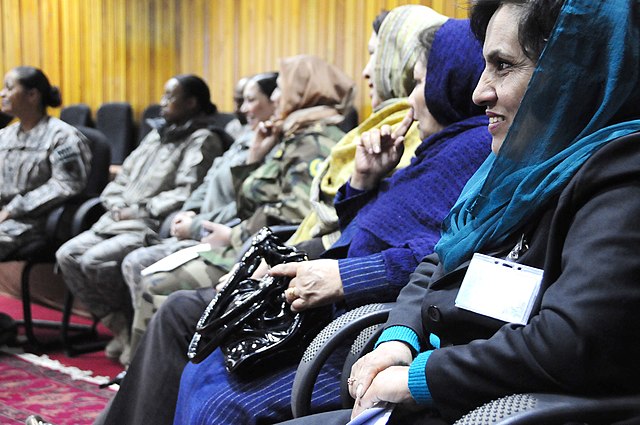
On November 18, 2025, the NATO Association of Canada hosted the 2025 Peace with Women Fellowship for a roundtable held in partnership with the Halifax International Security Forum. This event brought together senior female leaders from the armed forces of thirteen NATO states and their partners to discuss the growing threats posed by authoritarian regimes and their implications for NATO allies. This article offers a detailed overview of the conversation.
Executing the Women, Peace & Security Agenda: Are International Human Rights Laws Able to Support NATO Commitments?
This article explores how international human rights law, through the CEDAW treaty, can help strengthen NATO’s Women, Peace, and Security (WPS) agenda. It looks at how CEDAW’s legal obligations can support NATO’s goals by adding stronger accountability for member countries. Using Canada as an example, the piece shows how combining legal commitment with political action can make real progress toward equality and women’s roles in peace and security.
The Humanitarian-Security Balance: Canada’s Role in UN and NATO Peacekeeping Operations
For many Canadians, peace and humanitarian operations evoke familiar images: soldiers protecting civilians in conflict zones, medics tending to refugees, and pilots delivering aid under fire. These stories, often marked by courage, restraint, and a quiet sense of duty, have become part of how Canadians understand themselves and their country’s place in the world. They Read More…
Rare Earth Resilience: How NATO Can Secure Its Technological Future Amid US-China Rivalry
As US-China rivalry escalates, China’s new export curbs on rare earths have exposed NATO’s dangerous dependence on external suppliers for the minerals underpinning its defence industries. Daniel Lincoln argues that the Alliance must develop a unified industrial strategy to secure access to critical materials, independent of both Washington and Beijing. By building diversified supply chains, joint stockpiles, and integrated processing capacity, he contends that NATO can turn resource vulnerability into strategic resilience.
Beneath the Surface: China’s Deep-Sea Diplomacy in the Pacific Ocean
In this article, Narayan Srivastava examines how China’s accelerating push into deep-
sea mineral partnerships across the Cook Islands, Kiribati, and Tonga is reshaping the
South Pacific’s strategic balance. The article also highlights emerging vulnerabilities for
Canada and NATO in critical mineral supply chains. The piece evaluates how Pacific
resource politics now intersect with broader questions of regional dependence, maritime influence, and great-power competition.
Guardians of the Arctic: Indigenous Knowledge at the Core of Climate and Security Policy
Why is Climate Change Specifically Detrimental in the Arctic? As climate change has accelerated environmental risks in Northern Canada, the physical landscape as well as the security landscape is changing rapidly. The Arctic is a central indicator of climate change, as this region is warming four times faster than the rest of the world. This Read More…