

NATO Association of Canada
The mission of NATO Association of Canada is to promote peace, prosperity, and security through knowledge and understanding of the importance of NATO.
We strive to educate and engage Canadians about NATO and NATO’s goal of peace, prosperity and security. NATO Association of Canada ensures that we have an informed citizenry able to contribute to discussions about Canada’s role on the world stage.
As a leading member of the Atlantic Treaty Association (ATA), NATO Association of Canada has strong and enduring ties with sister organizations in many of the alliance countries, as well as members of NATO’s “Partnership for Peace” and “Mediterranean Dialogue” programmes. The NAOC has had a leading role in the recent transformation and modernization of the ATA, and helped to create and develop the Youth Atlantic Treaty Association (YATA).
The NAOC has strong ties with the Government of Canada including Global Affairs Canada and the Department of National Defence. We are constantly working to create and maintain relationships with international organizations such as the World Bank Group, the European Bank of Reconstruction and Development, NATO Headquarters, the International Criminal Court, and other prominent international NGOs and think tanks.
Related Articles

ICC: Making History and Breaking Records
Posted on Author Demyan Plakhov
Demyan Plakhov discusses how far the ICC has come.
Aleksi Korpela
Defense
Editors' Forum
Global Governance
Intelligence & National Security
Khalid Mahdi
Security
Terrorism
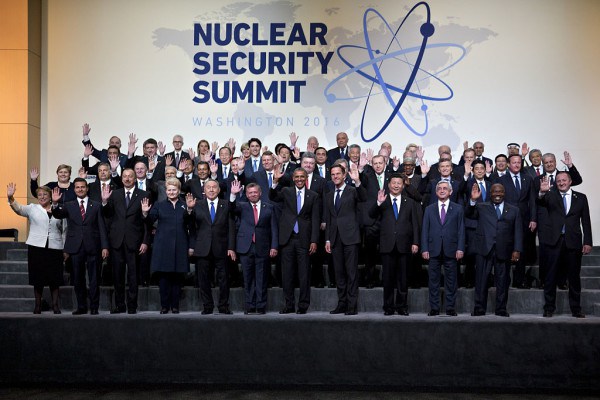
Is The Nuclear Security Summit An Effective Forum For Addressing The Threat Of Nuclear Terrorism?
Posted on Author NATO Association of Canada
Is the Nuclear Security Summit a mere talking shop or a worthy initiative that’s making a difference? Our program editors weigh in.

Africa
Alexander Langer
Defense
Development
Energy & Resources
Security
Society
Society, Culture, and Security
The Middle East and North Africa
Trade
Neither Guns Nor Butter: An Evaluation of the Conflict Trap
Posted on Author Alexander Langer
In his latest article, Alexander Langer discusses the phenomenon known as the ‘conflict trap.’