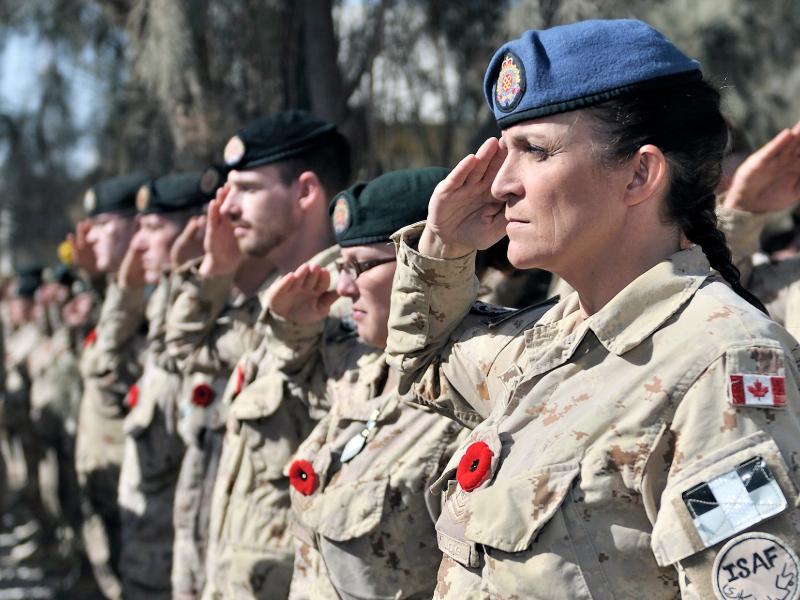
Since its inception in 1949, Canada has played an integral role in the North Atlantic Treaty Organization (NATO) and its numerous military and non-military engagements. As a founding member, Canada’s involvement over the past 70 years has varied from troop deployment and training in Europe during much of the Cold War, to activity abroad in places like Afghanistan and Libya. The articles in the NATO and Canada program examine NATO’s operational history and Canada’s role from a multitude of perspectives. The NATO Association of Canada aims to supply Canadians with a greater insight into the inner workings of this long-standing alliance and its Canadian contributions.
Alors que l’OTAN concentre son attention sur les fronts oriental et indo-pacifique, le Canada a l’occasion de redéfinir son rôle sur un flanc sud souvent négligé. Cet article soutient qu’Ottawa peut renforcer la résilience nord-africaine par l’innovation plutôt que par l’intervention, en mobilisant DIANA Halifax et en renforçant les capacités pour des projets pilotes de lutte anti-drones et de surveillance maritime en Tunisie et en Mauritanie.
Canada’s ambitious pledge to raise defence spending to 5% of GDP by 2035 marks a decisive shift in national priorities. This analysis by Emma Zhang examines whether the Carney government can strike a balance between defence spending and social welfare, and turn defence investment into sustainable economic growth.
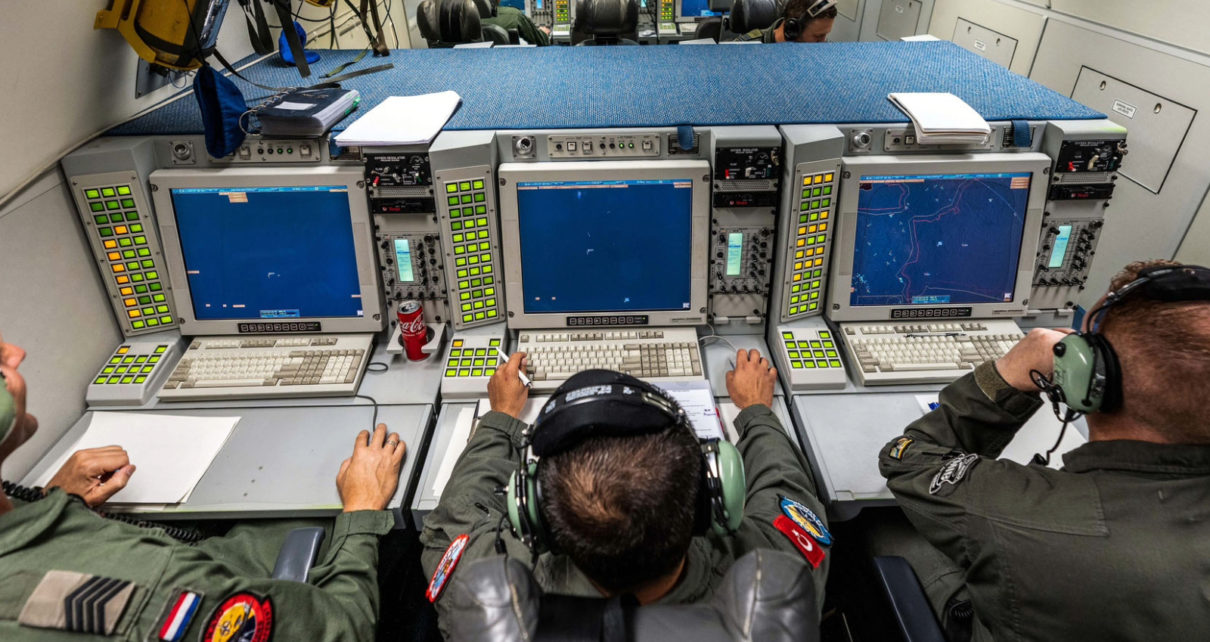
While Canada’s military is often seen as a strong and modern fighting force, it also lacks many assets that are key to ensuring defensive capabilities, including Northern surveillance. Canadian ambitions to acquire Airborne Early Warning and Control (AEW&C) aircraft will revolutionize Northern intelligence gathering in order to bolster NORAD’s effectiveness and Canadian sovereignty. The Canadian Read More…
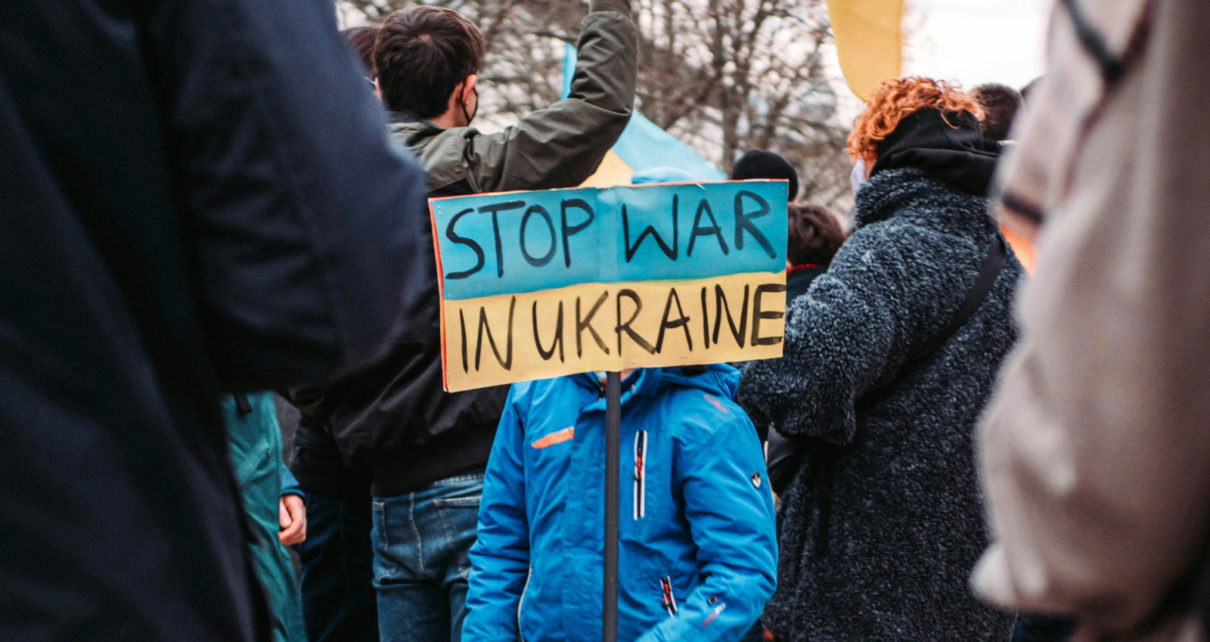
Why is there no prospect for peace in Ukraine, despite the war now closing in to its fourth year? Moscow and Kyiv simply do not have common ground on which to build an agreement. This is unlikely to change so long as the current quasi-stalemate continue and Russia believes it can achieve its aims.
Introduction Since its inception in 1949, NATO has grown from 12 to 32 members, a process formally known as enlargement. In accordance with Article 10 of the North Atlantic Treaty, membership is open to all European countries so long as they commit to NATO’s principles and meet the Alliance’s requirement for defence spending, along with Read More…
Canada has long championed the Women, Peace, and Security (WPS) agenda on the world stage, promoting gender equality in NATO missions and peace operations. Yet, at home, persistent structural barriers in the Canadian Armed Forces have created a gap between advocacy and action. Canada must address these domestic challenges and prioritize women’s meaningful leadership across all levels of the military to align its domestic practices with its global image.
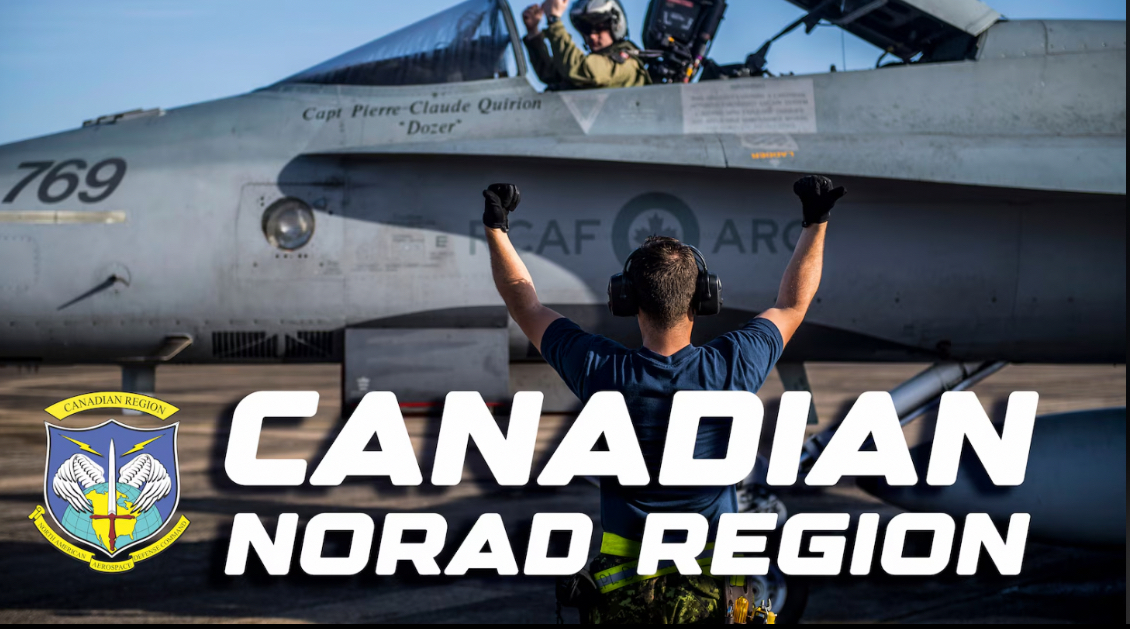
NORAD began as a Cold War commitment between Canada and the United States to safeguard the skies and protect the North. Today. it has become a stage for Russia’s military expansion, China’s growing ambitions, and emerging threats that outdated systems can no longer reliably detect. The modernization of NORAD goes beyond new radar and missile defence technology, it reflects a broader commitment to protecting sovereignty and ensuring Canadians recognize that the Artic is no longer a remote frontier, it is the front line of our collective security and future.
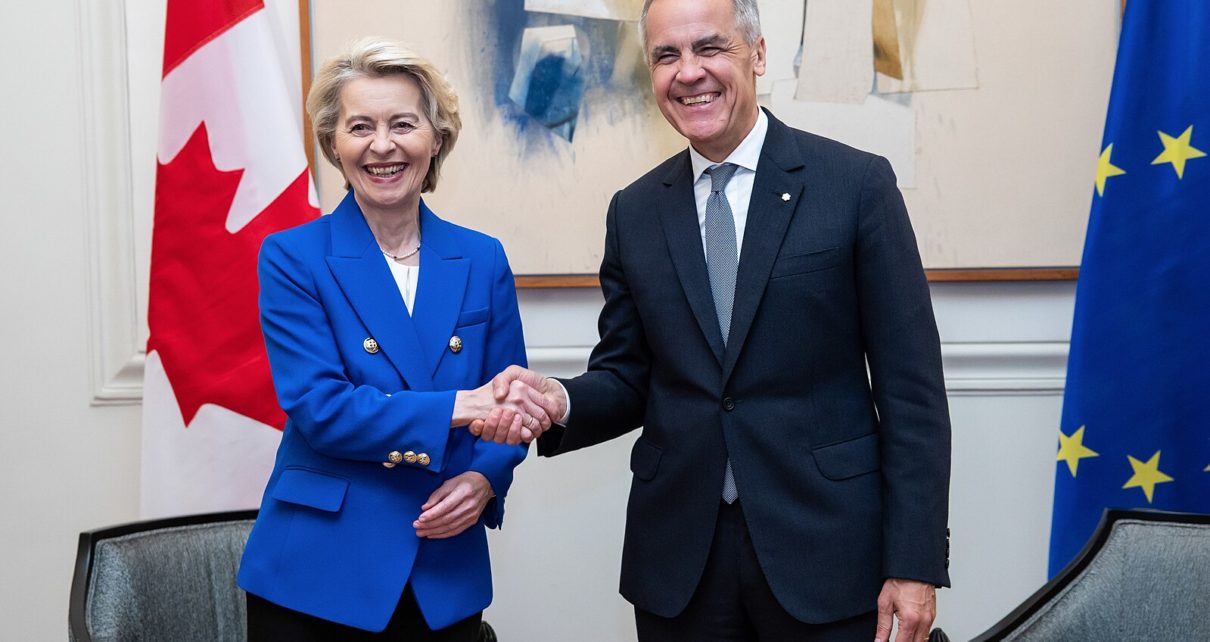
Canada’s new Security and Defence Partnership (SDP) with the EU is a historic step toward deeper transatlantic defence ties, but its impact will depend on more than just participation. To move from ally to actor, Canada must navigate complex EU governance, negotiate meaningful access, and build long-term institutional presence.
Below is the NATO Association of Canada’s publication on increasing Canada’s defence spending, with contributions from leading experts. Line of Defence: A Policy Agenda for Canada’s Defence Capabilities
This special report provides an objective overview of the newly elected minority Liberal government’s plans regarding defence and discusses proposals from other opposition parties.