Karissa Cruz is a Junior Research Fellow at the NATO Association of Canada, where she contributes to the Indo-Pacific program. She is an undergraduate student in Political Science and International Development at the University of Toronto. She also serves as the Lead Editor for Southeast Asia at Synergy: The Contemporary Asia Studies Journal of the Asian Institute at U of T and works as a Research Assistant at the Rotman School of Management. Karissa has previously served as a Compliance Analyst for global governance research groups focusing on the G7, G20, and BRICS, and interned with a municipal politician in Toronto. Her academic and professional interests lie in international relations, post-colonial thought, and development in Southeast Asia and the broader Indo-Pacific region.
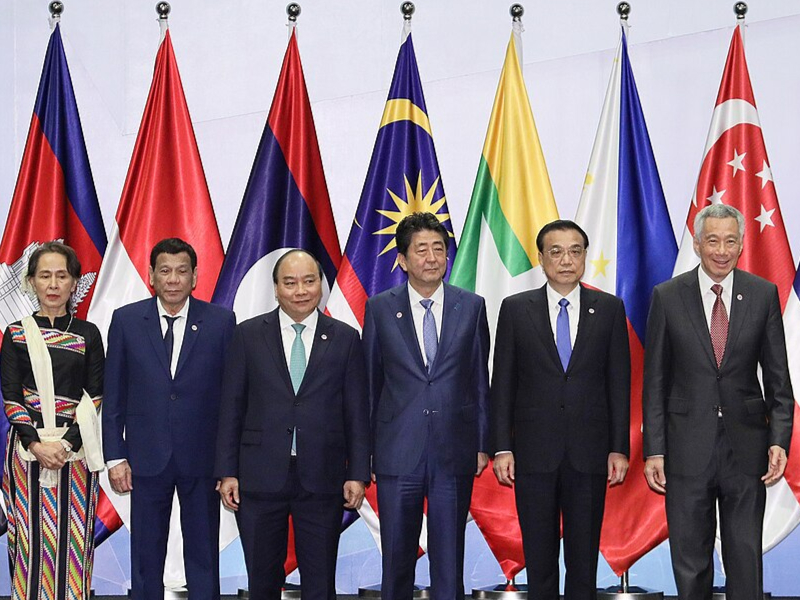
Why is minilateralism viewed as the normative security model by states in the Indo-Pacific? What challenges can multilateralism face within the region, and how can minilateralism circumvent them? In this article, Karissa Cruz highlights why the postcolonial context from which much of the region emerged can create limits for NATO-style security cooperation, and why minilateralism has emerged as the primary framework.
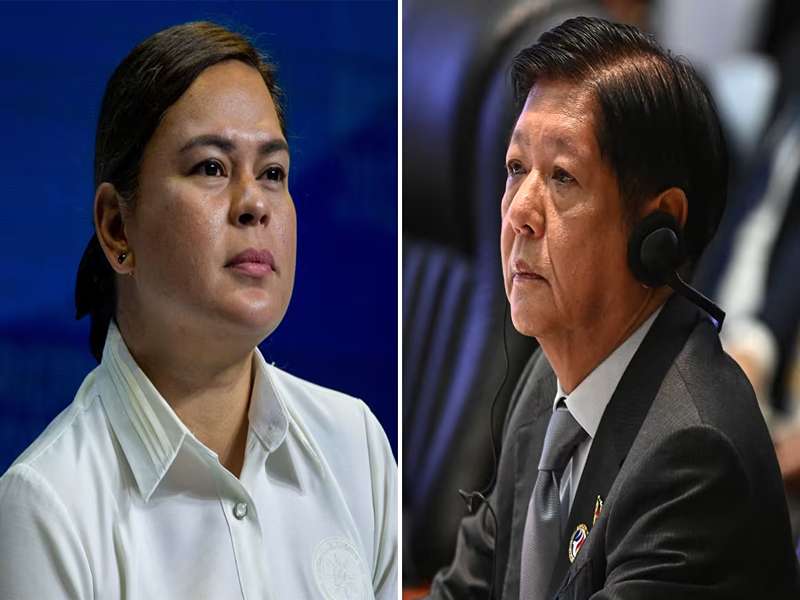
What implications does domestic Philippine politics pose for foreign policy for NATO members? In this article, Karissa Cruz highlights the broader implications posed by the Duterte-Marcos feud over foreign policy direction, what it means for NATO, and how members should perceive these tensions amidst the heightened aggression by China.
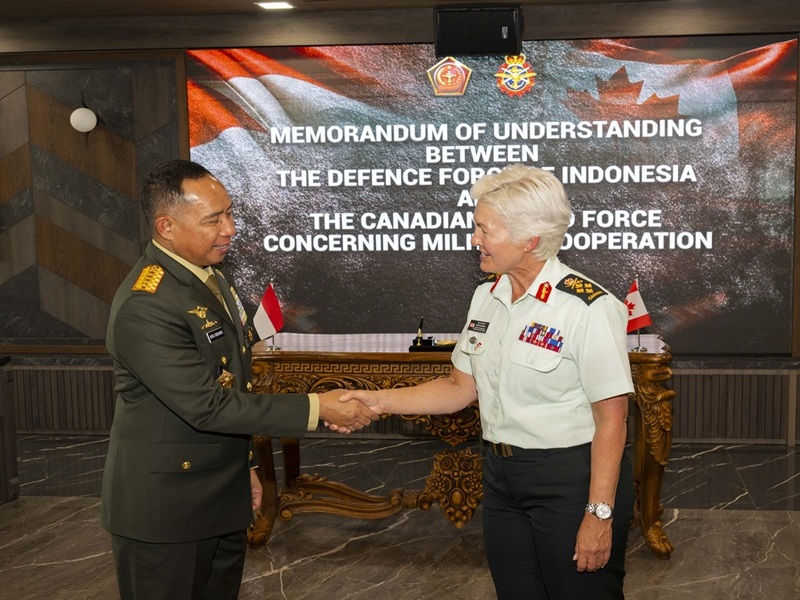
What does Canada’s defence pact with Indonesia mean for foreign policy? In this article, Karissa Cruz highlights the broader implications posed by Canada’s new strategy in maritime and military cooperation with Indonesia, what it means for both countries, and how it can be considered a response to the shift in America’s foreign policy.
On September 23rd, the NATO Association of Canada, together with the National Club, hosted a panel discussion on the importance of international institutions in today’s world. This report summarizes the event, highlighting Canada’s successes and failures in international cooperation, the challenges facing global institutions, and proposals for reforming existing structures and building new alliances.