Hermean is a Politics and Governance student at Toronto Metropolitan University with a strong academic focus on law, global governance, and human rights. She previously served as a Social Media Coordinator at the NATO Association of Canada, where she contributed to digital outreach and supported NATO-focused initiatives. Hermean’s interests span corporate law, international law, and human rights, grounding her commitment to understanding how legal systems shape global cooperation and social well-being. She is passionate about exploring how legal frameworks can support accountability, equity, and meaningful international engagement in today’s connected world.
Increasingly, NATO countries have begun to describe digital media disinformation not as a discrepancy in communication between formal and informal state actors, but as a risk to national security. This shift is reflected in the Cyber Threat Assessment for Canada 2025, which notes that foreign state actors are using artificial intelligence (AI) to manipulate information, Read More…
In this piece, Hermean Japra examines how hybrid warfare, using tools such as disinformation, cyberattacks, and economic pressure, undermines democratic resilience. She analyzes how gendered disinformation and online abuse are used to silence women, limit their participation in public life, and weaken societal resilience. Her analysis outlines practical
strategies NATO can adopt, including improved gender-sensitive threat analysis, support mechanisms for targeted women, and strengthened information resilience systems to counter gender-based hybrid threats.
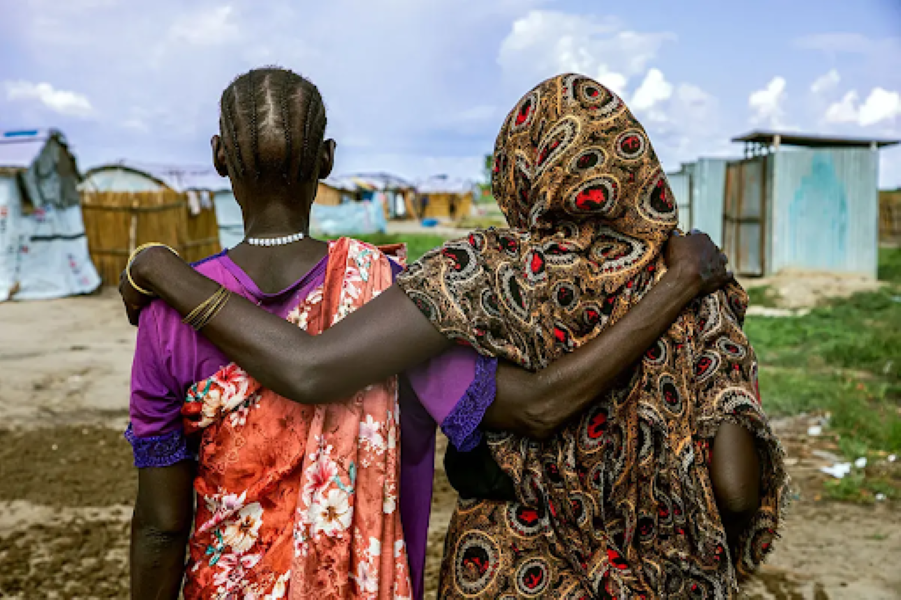
This article looks at how sexual violence operates as a weapon of war in Sudan, and considers NATO’s responsibility to protect women under its Women, Peace & Security (WPS) agenda. It emphasizes the necessity of international collaboration, through policing, justice, and accountability initiatives, in order to strengthen women’s protections and address conflict-related sexual violence.
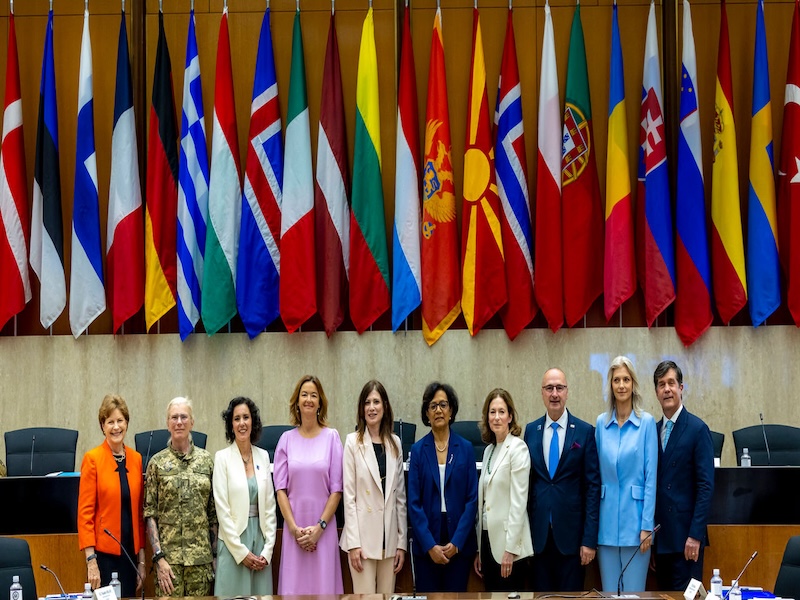
This article explores how international human rights law, through the CEDAW treaty, can help strengthen NATO’s Women, Peace, and Security (WPS) agenda. It looks at how CEDAW’s legal obligations can support NATO’s goals by adding stronger accountability for member countries. Using Canada as an example, the piece shows how combining legal commitment with political action can make real progress toward equality and women’s roles in peace and security.