


NATO Association of Canada
The mission of NATO Association of Canada is to promote peace, prosperity, and security through knowledge and understanding of the importance of NATO.
We strive to educate and engage Canadians about NATO and NATO’s goal of peace, prosperity and security. NATO Association of Canada ensures that we have an informed citizenry able to contribute to discussions about Canada’s role on the world stage.
As a leading member of the Atlantic Treaty Association (ATA), NATO Association of Canada has strong and enduring ties with sister organizations in many of the alliance countries, as well as members of NATO’s “Partnership for Peace” and “Mediterranean Dialogue” programmes. The NAOC has had a leading role in the recent transformation and modernization of the ATA, and helped to create and develop the Youth Atlantic Treaty Association (YATA).
The NAOC has strong ties with the Government of Canada including Global Affairs Canada and the Department of National Defence. We are constantly working to create and maintain relationships with international organizations such as the World Bank Group, the European Bank of Reconstruction and Development, NATO Headquarters, the International Criminal Court, and other prominent international NGOs and think tanks.
Related Articles
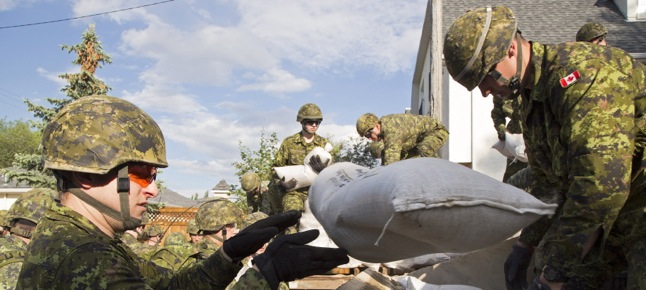
CIC: More Than We Want, Less Than We need
Posted on Author NATO Association of Canada
Steve Saideman at the Canadian International Council on what Canada can expect if it pursues defence “industrial policy”.

Brexit and the Future of Britain’s Women
Posted on Author Sophie Barnett
Sophie Barnett discusses the implications for the status of women following Britain’s decision to leave the EU.
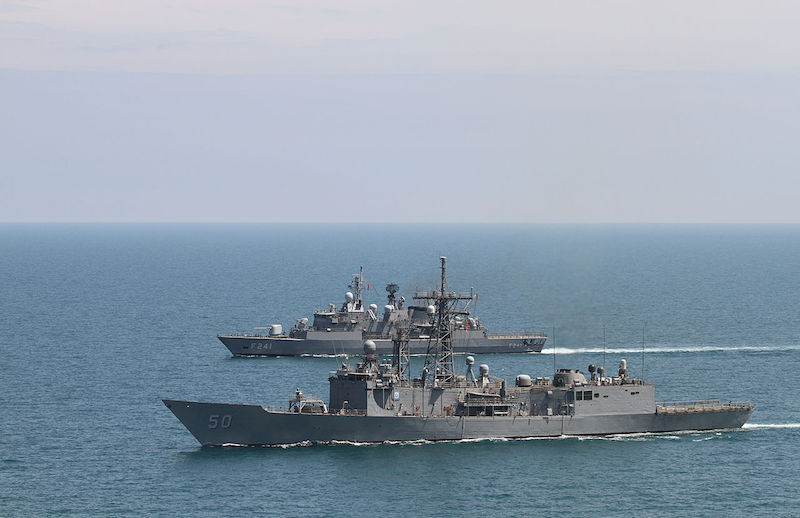
Heading Towards a New NATO-Russia Stand-Off in the Black Sea Region?
Posted on Author Léo-Paul Jacob
Léo-Paul Jacob discusses the current tensions between NATO and Russia in the Black Sea, providing an overview of NATO’s operation ‘Tailored Forward Presence’.