Last term, the NATO Association of Canada was proud to welcome Joshua Liu, a Grade 10 student, as one of its interns. Joshua contributed to the development of the Security in Community civics course, helping make complex global security issues accessible to Ontario students. In this article, Joshua reflects on his mission of connecting Canadians with NATO’s role in peace and security.
Tag: Security
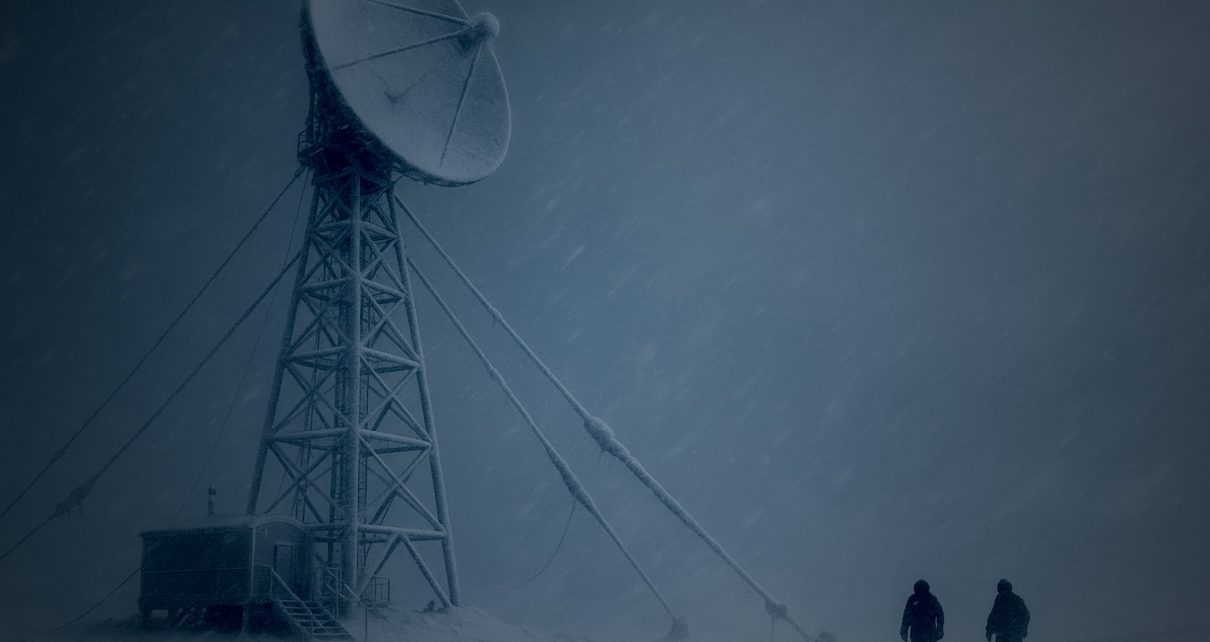
Beyond the Front Line: Lessons from Ukraine’s Digital Battlefield
During Russia’s invasion of Ukraine, the world was given yet another case to underscore how cyberspace has become a battlefield. In January 2022, researchers uncovered Whisper Gate, a virus that corrupted the master boot record on targeted computers. Following on to February, another malware, Hermetic Wiper, erased data hours before the Russian invasion. Banks, ministries Read More…
Science, Technology, and Strategic Foresight: Strengthening NATO for a Complex Future
This year was a big moment for science and technology (S&T) within NATO. On July 1, 2025, the Alliance designated Steen Søndergaard as its new Chief Scientist, taking over from Dr. Bryan Wells in order to bring a fresh approach to NATO’s S&T efforts. At the 2025 NATO Summit at The Hague, the Allies agreed Read More…
The Authoritarian Drift of Trump’s Second Term
With 142 executive orders signed in just 100 days, President Trump’s second term opened with a rapid consolidation of executive power. The orders targeted such key areas as border enforcement, foreign aid, and commitments to international institutions. Immigration policy quickly emerged as a key instrument of executive overreach. Building on the hardline stance of Donald Read More…
Where They Stand: Canada’s Federal Political Parties Defence Platforms 2025
This special report provides an objective overview of the newly elected minority Liberal government’s plans regarding defence and discusses proposals from other opposition parties.
All Eyes on Us: The Future of the Five Eyes Intelligence Group
With the robustness of the rules-based international order in question, multilateral agreements are more crucial than ever. Intelligence-sharing in particular, such as among the Five Eyes intelligence group, has played a critical role to Canadian and international security cooperation since the end of the Second World War. However, recent criticisms from the White House have called to remove Canada from the intelligence group altogether. What would this mean for the security of Canada and our allies’ ability to counter growing threats around the world?
Has the Time Finally Come for a European Army?
The idea of a collective European defence force is as old as the European integration project itself. However, it has always been outshone by NATO and deemed too logistically and politically arduous for a supranational body that was excelling in projecting soft power. Fast-forward to 2025, three years into Russia’s full-scale invasion of Ukraine and only a few months into Trump’s second term, which has included a great deal of NATO- and Europe-criticism, suggesting that the United States might no longer help defend Europe. The idea of deepened European defence integration, perhaps even a sovereign European army, is no longer so far-fetched. Can the EU make use of its single market to harness its defence capabilities and work around the political divisions on foreign and security policy within the Union?
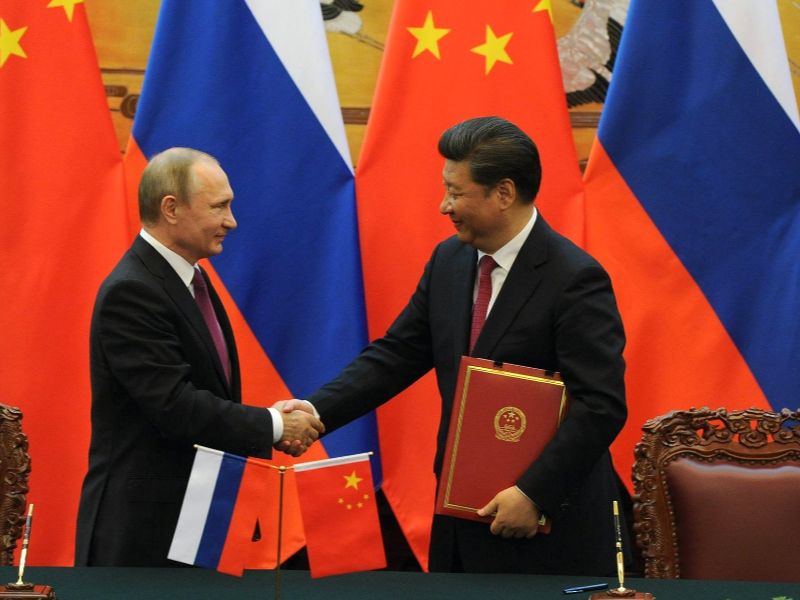
Three Russian Threats and How Canada Can Prepare for Them
While Canada might seem an unlikely target of direct threats from the Russian Federation, its engagement in global affairs and commitments to human rights and democracy inevitably put it at odds with Russia’s vision of the world order, drawing it into conflict with Russia’s revisionist foreign policy. With the Trump Administration pursuing an apparent rapprochement Read More…
NATO in Kosovo: Redefining “Success” 26 Years Later
Twenty-six years following NATO’s intervention in Kosovo, tensions between ethnic groups continue to plague political discourse and trigger violent flare-ups. Kosovo’s stability depends on the presence of KFOR troops and Serbia has turned increasingly closer to Russia. Such issues beg the question: how do we define the success of NATO’s mission in Kosovo?
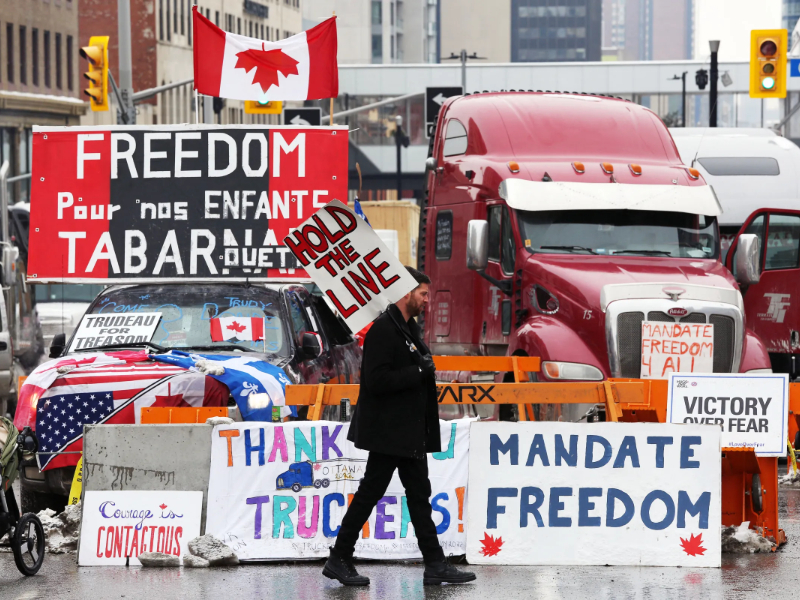
Canada’s Surveillance Paradox: How Privacy Laws Fuel Racialized Monitoring
Canada’s Expanding Surveillance State As global security concerns intensify, Canada has significantly expanded its border surveillance infrastructure under the justification of national security. Privacy laws, which are intended to protect individuals from government overreach, have instead been leveraged to enable invasive data collection and monitoring. This paradox is most evident in the way Canadian authorities Read More…