Indo-Pacific and NATO Society, Culture, and Security

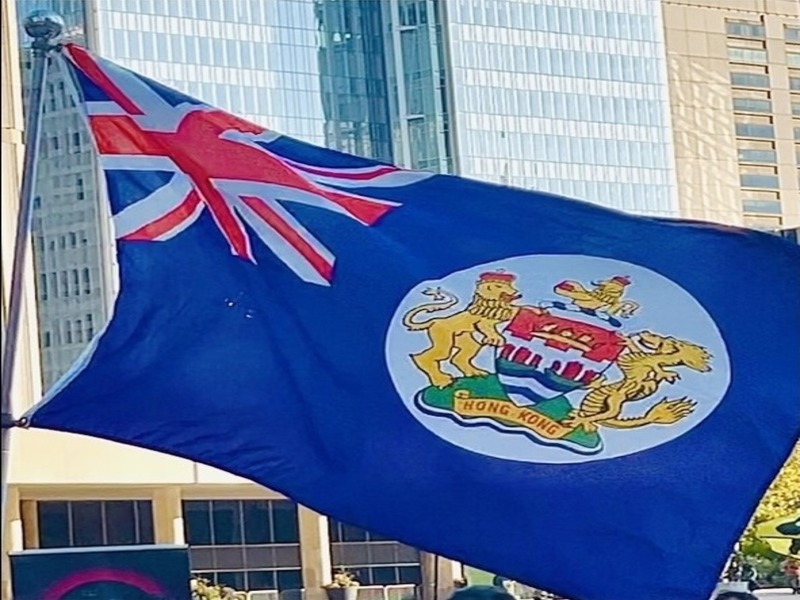
For Shame Upon the World: Lessons from the Crushing of Hong Kong

In June of 2025, Hong Kong Youth Activist Joshua Wong was brought in front of West Kowloon court to face more charges under China’s 2019 ‘National Security Law,’ which caused the 2020 protests so brutally repressed by the Chinese Communist Party. Accused of conspiring with fellow activist, and exile, Nathan Law to promote sanctions against China, Wong, Read More…

Centre For Disinformation Studies

How Disinformation Is Eroding the Skill of Democratic Conflict

Democracies survive on the ability of people to disagree without destroying the social fabric that binds them. However, in an era marked by rising mis- and disinformation, our collective capacity to navigate disagreement is deteriorating. While polarization is often viewed as a problem of belief, the deeper issue is that disinformation is changing the very Read More…

Centre For Disinformation Studies

Algorithmic Profit Disclosure Regulation: Corporate Responsibility for Disinformation

Increasingly, NATO countries have begun to describe digital media disinformation not as a discrepancy in communication between formal and informal state actors, but as a risk to national security. This shift is reflected in the Cyber Threat Assessment for Canada 2025, which notes that foreign state actors are using artificial intelligence (AI) to manipulate information, Read More…

Indo-Pacific and NATO

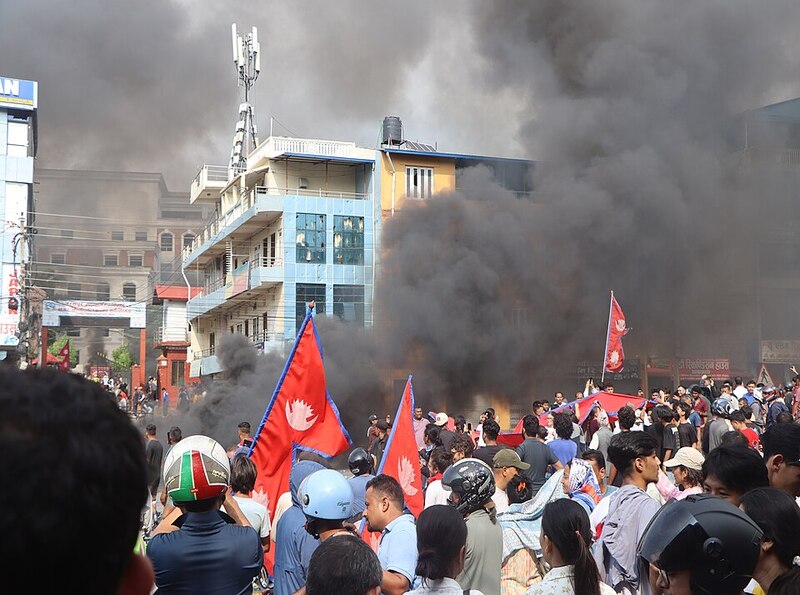
Democracy, Discontent, and the Digital Age: Lessons from Nepal for the World

Narayan Srivastava examines Nepal’s 2025 political upheaval as a warning signal for democracies worldwide.From a sweeping social-media ban to youth-led protests that brought down a government, Nepal reveals how digital connectivity, declining trust in institutions, and demographic pressures are reshaping political power. This article situates Nepal within a broader global pattern from South Asia to Europe where digitally mobilized citizens are challenging elite governance structures. The piece argues that these movements are less about ideology and more about systemic failure, offering critical lessons for democratic resilience, international security, and the future of governance in the digital age.

China Eastern Europe and Russia Indo-Pacific and NATO Maritime Security Russia Taiwan Uncategorized

From Kyiv to Taipei: Why the Russian-Ukrainian War Matters in the Indo-Pacific

Alexander Morrow and Nataliia Dikalchuk explain why Ukraine’s fight matters far beyond Europe. The war is reframing deterrence in the Indo-Pacific, prompting Taiwan to prioritize self-reliant defence and pushing China to reassess Western unity. Their analysis highlights how democratic resilience in one region shapes security calculations in another.

Centre For Disinformation Studies

What We Do Not Account For When Legislating Against Disinformation

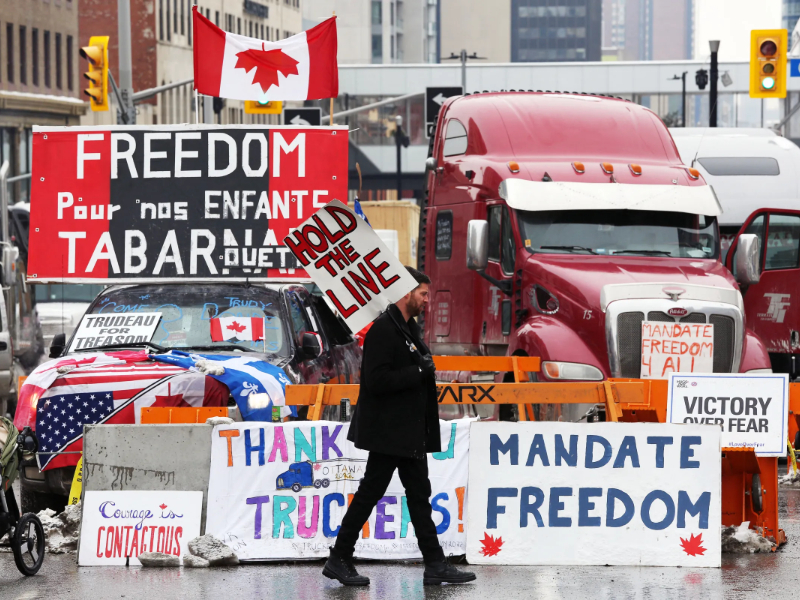
In recent years, there have been increased calls for the Canadian government to introduce legislation against disinformation. Tighter laws have been requested in an attempt to reduce the digital flow of deliberately false information in Canadian political discourse around controversies like vaccines, especially during elections. For one, in 2022, Canada’s chief electoral officer Stéphane Perrault Read More…

Centre For Disinformation Studies

Disinformation and Public Health in the Post-Pandemic Era: What COVID-19 Taught Canada and NATO About Resilience

The COVID-19 global pandemic was both a public-health crisis and a catalyst for an infodemic: the flood of misinformation and disinformation that spread as rapidly, if not more rapidly, than the virus itself. A systematic review by the World Health Organization (WHO) found that this infodemic undermined compliance with health measures, fragmented social cohesion, and Read More…

Previous Events

Democratic Resilience in an Era of Autocratic Threats: NAOC Hosts Roundtable with the 2025 Peace with Women Fellowship

On November 18, 2025, the NATO Association of Canada hosted the 2025 Peace with Women Fellowship for a roundtable held in partnership with the Halifax International Security Forum. This event brought together senior female leaders from the armed forces of thirteen NATO states and their partners to discuss the growing threats posed by authoritarian regimes and their implications for NATO allies. This article offers a detailed overview of the conversation.

Centre For Disinformation Studies

The Culture of Distrust: : How AI Disinformation Exploits Polarization and Democracy

The voice on the line sounded like the President of the United States. It carried his cadence, his gravel, even his familiar pauses. But the words were strange. “Save your vote for the November ballot,” it told thousands of citizens in New Hampshire ahead of the 2024 primary. In reality, the call was orchestrated by Read More…

Centre For Disinformation Studies

Canada at the Crossroads: Disinformation as a Domestic Security Challenge

Canada’s greatest security risk may not lie at its borders but in its news feeds. That might sound like a dramatic statement, yet the danger is not abstract. It lives in the information Canadians scroll past each day, in the stories they share, and in the narratives that seep in unnoticed. In a country that Read More…