Hermean Japra Women in Security

Executing the Women, Peace & Security Agenda: Are International Human Rights Laws Able to Support NATO Commitments?

This article explores how international human rights law, through the CEDAW treaty, can help strengthen NATO’s Women, Peace, and Security (WPS) agenda. It looks at how CEDAW’s legal obligations can support NATO’s goals by adding stronger accountability for member countries. Using Canada as an example, the piece shows how combining legal commitment with political action can make real progress toward equality and women’s roles in peace and security.

Patrick Samaha Society, Culture, and Security

The Humanitarian-Security Balance: Canada’s Role in UN and NATO Peacekeeping Operations

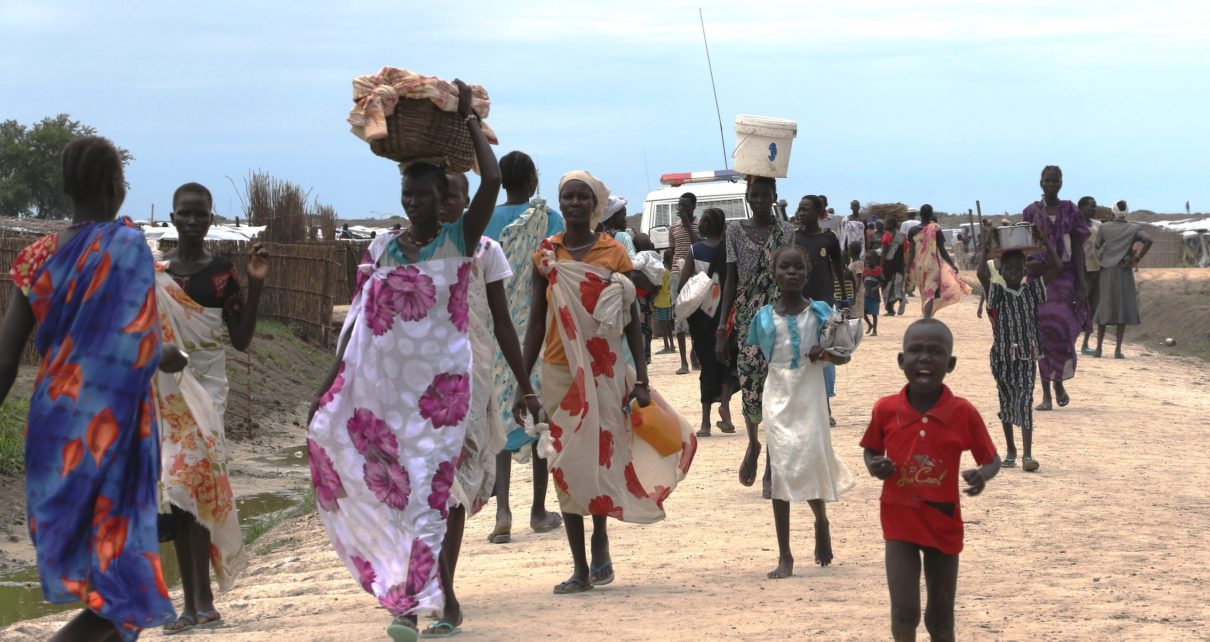
For many Canadians, peace and humanitarian operations evoke familiar images: soldiers protecting civilians in conflict zones, medics tending to refugees, and pilots delivering aid under fire. These stories, often marked by courage, restraint, and a quiet sense of duty, have become part of how Canadians understand themselves and their country’s place in the world. They Read More…

Asia-Pacific China Uncategorized

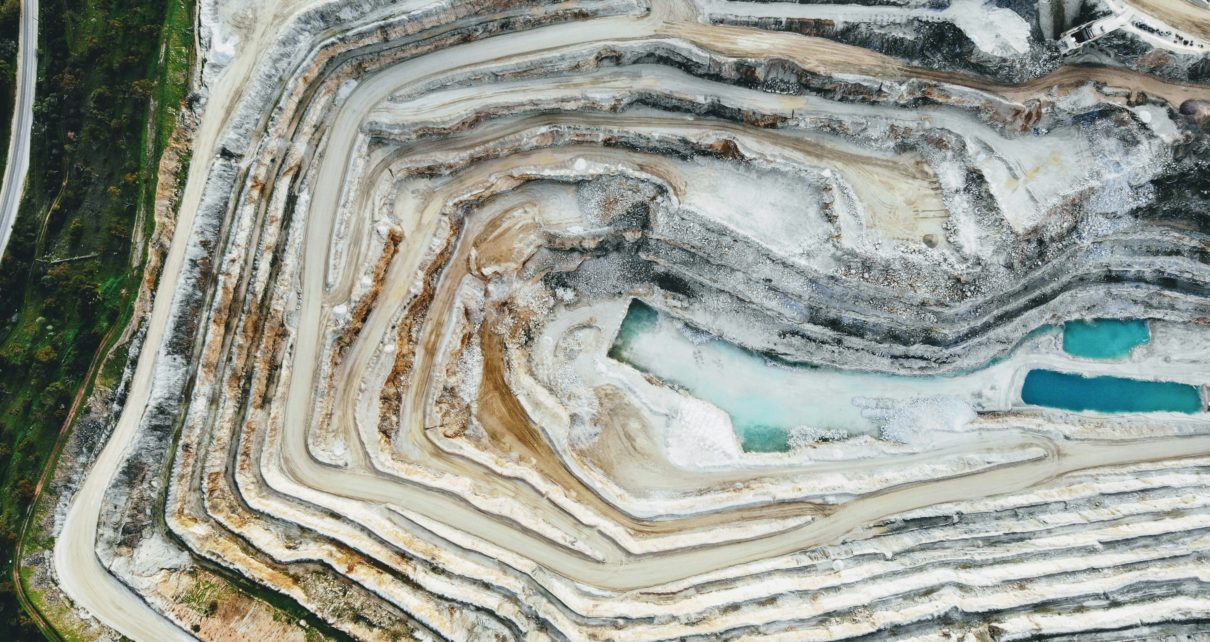
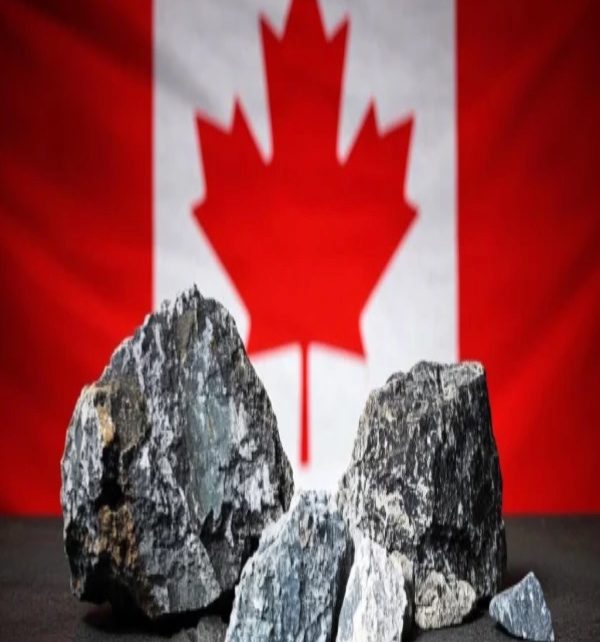
Rare Earth Resilience: How NATO Can Secure Its Technological Future Amid US-China Rivalry

As US-China rivalry escalates, China’s new export curbs on rare earths have exposed NATO’s dangerous dependence on external suppliers for the minerals underpinning its defence industries. Daniel Lincoln argues that the Alliance must develop a unified industrial strategy to secure access to critical materials, independent of both Washington and Beijing. By building diversified supply chains, joint stockpiles, and integrated processing capacity, he contends that NATO can turn resource vulnerability into strategic resilience.

Asia-Pacific Development Energy & Resources Indo-Pacific and NATO International Relations Investment

Beneath the Surface: China’s Deep-Sea Diplomacy in the Pacific Ocean

In this article, Narayan Srivastava examines how China’s accelerating push into deep-
sea mineral partnerships across the Cook Islands, Kiribati, and Tonga is reshaping the
South Pacific’s strategic balance. The article also highlights emerging vulnerabilities for
Canada and NATO in critical mineral supply chains. The piece evaluates how Pacific
resource politics now intersect with broader questions of regional dependence, maritime influence, and great-power competition.

Environment, Climate Change, and Security

Guardians of the Arctic: Indigenous Knowledge at the Core of Climate and Security Policy

Why is Climate Change Specifically Detrimental in the Arctic? As climate change has accelerated environmental risks in Northern Canada, the physical landscape as well as the security landscape is changing rapidly. The Arctic is a central indicator of climate change, as this region is warming four times faster than the rest of the world. This Read More…

Environment, Climate Change, and Security

Canada on Thin Ice: Securing Arctic Sovereignty

The Arctic is warming up, both in temperature and tension. In the east, Russian nuclear icebreakers – specially purposed ships designed for the ice – are carving strategic routes through once-impassable waters. China declares itself a “near-Arctic state,” with ambitions of shaping the cold pursuit of Arctic dominance. Meanwhile, Canada, steward of the world’s longest Arctic coastline – stemming more than Read More…

Environment, Climate Change, and Security

Brave New World: Canadian Armed Forces’ Climate Change Preparedness

Climate Change, or Climate Crisis, should it be aptly named in this scenario, has become an existential threat to our way of life as it is now. The North Atlantic Treaty Organisation (NATO), as a defensive charter, can no longer sit on the sidelines, but to act proactively, and not only to prevent, but adapt. Read More…

Environment, Climate Change, and Security

Rising Sea Levels: The Peculiar Case of Pacific Island Nation Tuvalu and Canada’s Arctic 

Climate change is not a distant threat; it is already reshaping nations, identities, and security. While much of the world debates its consequences, the reality is inescapable for the Pacific Island nation of Tuvalu; as rising seas threaten its very existence. Located midway between Hawaii and Australia, Tuvalu may not exist in a matter of Read More…

Dai Johnson Society, Culture, and Security

“Patience, Tolerance, and Strength of Character of Her People:” Remembrance and Defence Policy

On November 11th, Canadians and their European allies observe Remembrance Day or Armistice Day, honouring those who sacrificed their lives in the World Wars and serving as a reminder of why maintaining the capability to fight remains important. For Canada, an extraordinary sacrifice was made in solidarity with the British. In a subtle display of Read More…

Centre For Disinformation Studies

The Culture of Distrust: : How AI Disinformation Exploits Polarization and Democracy

The voice on the line sounded like the President of the United States. It carried his cadence, his gravel, even his familiar pauses. But the words were strange. “Save your vote for the November ballot,” it told thousands of citizens in New Hampshire ahead of the 2024 primary. In reality, the call was orchestrated by Read More…