


NATO Association of Canada
The mission of NATO Association of Canada is to promote peace, prosperity, and security through knowledge and understanding of the importance of NATO.
We strive to educate and engage Canadians about NATO and NATO’s goal of peace, prosperity and security. NATO Association of Canada ensures that we have an informed citizenry able to contribute to discussions about Canada’s role on the world stage.
As a leading member of the Atlantic Treaty Association (ATA), NATO Association of Canada has strong and enduring ties with sister organizations in many of the alliance countries, as well as members of NATO’s “Partnership for Peace” and “Mediterranean Dialogue” programmes. The NAOC has had a leading role in the recent transformation and modernization of the ATA, and helped to create and develop the Youth Atlantic Treaty Association (YATA).
The NAOC has strong ties with the Government of Canada including Global Affairs Canada and the Department of National Defence. We are constantly working to create and maintain relationships with international organizations such as the World Bank Group, the European Bank of Reconstruction and Development, NATO Headquarters, the International Criminal Court, and other prominent international NGOs and think tanks.
Related Articles

Talk to a Diplomat: Interview with Vedran Kuljanin
Posted on Author Magdalena Surma
Listen as Vedran Kuljanin provides an overview of the Economy-Forum on Mining and Infrastructure.
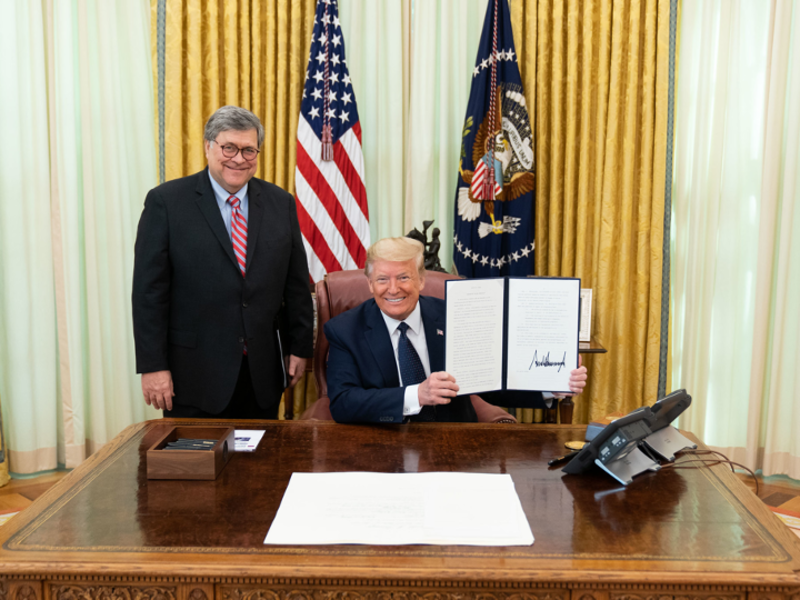
Forums or Publishers? Social Media Platforms under Stricter Content Policies
Posted on Author Chloé Ketels
Over the last few weeks, social media platforms hardened their content policies regarding misinformation and hate speech. In this article, Chloé Ketels analyzes the implications of this trend.
Permanent vacation?
Posted on Author Hayden Rodenkirchen
Hayden Rodenkirchen on WTO gridlock and its most recent push for progress