The NATO Association of Canada’s Energy Security Program, directed by Senior Research Fellow Dr. Robert M. Cutler, provides analysis and outreach on the full spectrum of energy-security concerns facing NATO members and partners. Core areas include the security of supply and demand, market and policy reliability, and the physical protection of critical energy infrastructure including supply chains for critical raw materials. The Program continuously assesses geopolitical, geo-economic, and military developments that may alter allied energy risks, options, and resilience. It advances public understanding and policy dialogue through webinars, the Energy Security blog, and sequenced series of Research Briefs, Policy Papers, and Research Studies. Contributors—including practitioners, scholars, and emerging analysts—are welcome. Please write to rmc@alum.mit.edu with the subject line “NAOC Energy Security Program” to propose articles, briefs, or events.
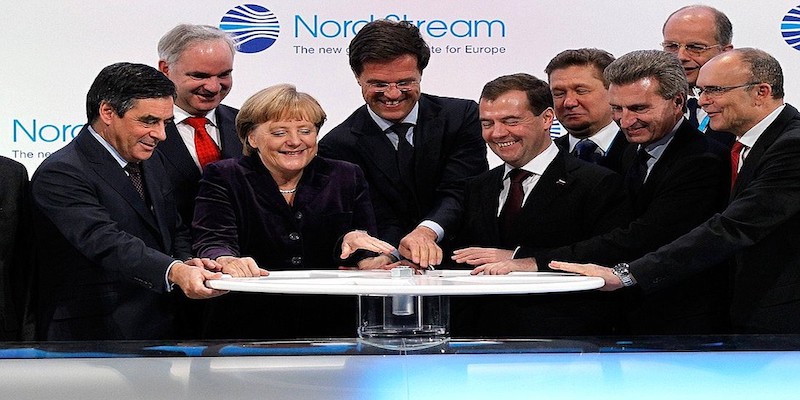
John Szabo writes on the Nord Stream Two gas pipeline, and how it’s divided opinion across Europe and with its allies, and how it could affect EU and NATO projects in the foreseeable future. Germany wants to move forward, but that means that the Cold-War frontlines between East and West could be pushing further west.
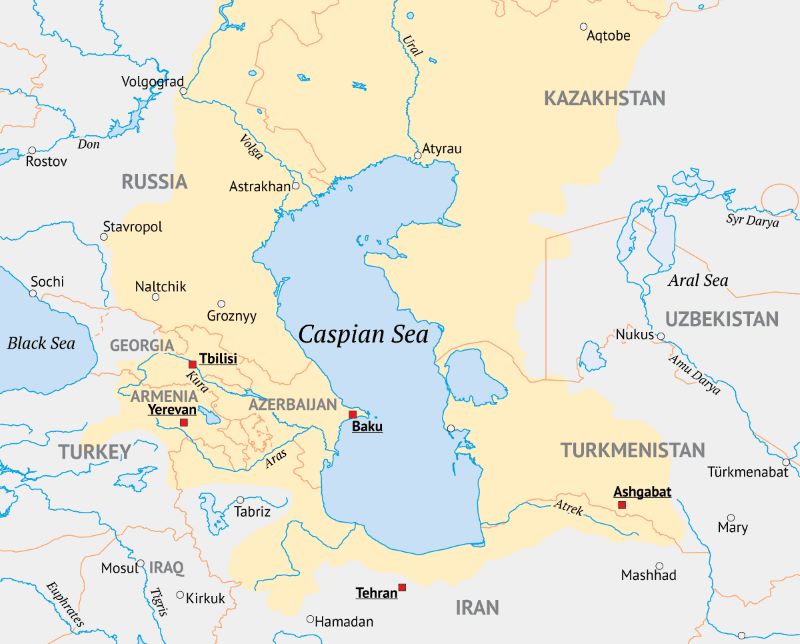
After more than 20 years of negotiation, and despite all the skepticism, there is every indication that five-party the Convention on the Status of the Caspian Sea will be signed in Aktau, Kazakhstan, on August 12. In fact, it was clear last December that it would be signed soon enough, when the Russian foreign minister Read More…
European energy security policy reached a milestone in early June when the Trans-Anatolian Natural Gas Pipeline (TANAP, after its Turkish initials) was opened. As the name indicates, the pipeline runs east-west across Turkey (1,850 kilometres) from the Georgian to the Greek border. It will carry, in the first instance, natural gas from Azerbaijan’s Shah Read More…
Two extremely important events for Turkey’s energy policy took place within days of each other at the end of May and in early June. The first was the formal opening of the Southern Gas Corridor (SGC). The second was the order, by Dutch courts, that Gazprom’s assets in The Netherlands should be frozen. That court Read More…