Uncategorized

Adjusting to Modern Warfare: How the Russo-Ukrainian War Changed Aerial Warfare

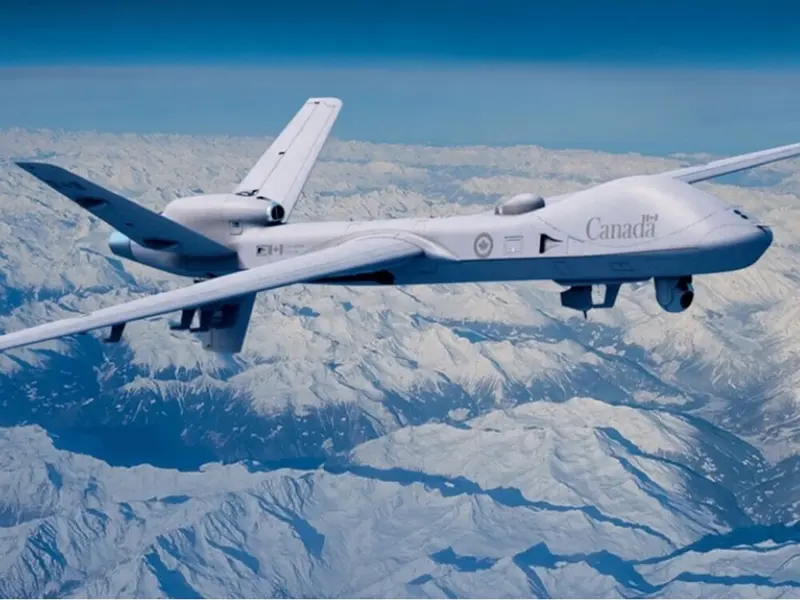
This article examines how the Russo-Ukrainian war led to the proliferation of low-cost unmanned aerial vehicles (UAVs) within modern military strategy. Specifically, it highlights how Canada and its NATO allies are shifting toward procuring first-person-view (FPV) drones as highly cost-effective alternatives to multi-million-dollar conventional hardware. The article ultimately argues that this technological shift forces Canada to rethink its own defence posture—not only by deploying UAVs to assert Arctic sovereignty, but also by modernizing NORAD to counter the growing threat of UAVs.

Canadian Armed Forces

Modernizing Canada’s Reserve Force

How can the CAF modernize its Reserve Force to remain relevant and operational amid a deteriorating global security environment? In this piece, Alaina Brunone examines how severe recruitment and training bottlenecks are hindering Canada’s ambitious 2025 mobilization goals. She highlights how decades of military underspending have complicated this overhaul, resulting in only one in thirteen applicants enlisting and a decline in basic training completion rates. She argues that to overcome these structural constraints, the CAF must confront tough trade-offs regarding trade-specific enlistment standards. Ultimately, Alaina showcases how the military is moving beyond discussion by leveraging targeted incentives and unconventional civilian partnerships to expand training capacity.