

NATO Association of Canada
The mission of NATO Association of Canada is to promote peace, prosperity, and security through knowledge and understanding of the importance of NATO.
We strive to educate and engage Canadians about NATO and NATO’s goal of peace, prosperity and security. NATO Association of Canada ensures that we have an informed citizenry able to contribute to discussions about Canada’s role on the world stage.
As a leading member of the Atlantic Treaty Association (ATA), NATO Association of Canada has strong and enduring ties with sister organizations in many of the alliance countries, as well as members of NATO’s “Partnership for Peace” and “Mediterranean Dialogue” programmes. The NAOC has had a leading role in the recent transformation and modernization of the ATA, and helped to create and develop the Youth Atlantic Treaty Association (YATA).
The NAOC has strong ties with the Government of Canada including Global Affairs Canada and the Department of National Defence. We are constantly working to create and maintain relationships with international organizations such as the World Bank Group, the European Bank of Reconstruction and Development, NATO Headquarters, the International Criminal Court, and other prominent international NGOs and think tanks.
Related Articles
The Strategic Sphere of Burma
Posted on Author Justin Lau
The delicate situation in Burma has been complicated by the spectre of US-Chinese rivalry. Over the past year, as the Obama administration has voiced its intention for a higher security profile in East and Southeast Asia, fears of a “Cold War” rivalry has emerged in international political discourse.
Cyber Security and Emerging Threats
Iraq
Islamic State
Stuart Munnich
Syria
Terrorism
The Middle East and North Africa
Is ISIS more dangerous than al Qaeda?
Posted on Author Stuart Munnich
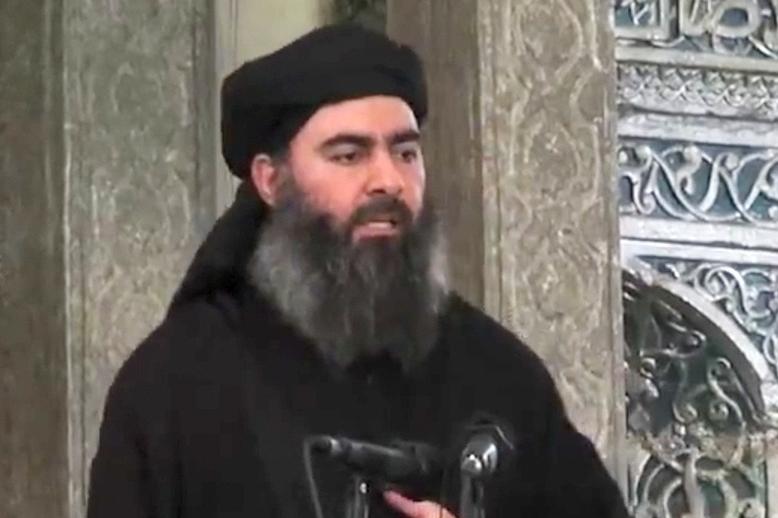
Stuart Munnich looks at the growing threat posed to the West by ISIS and whether this outstrips that of al Qaeda.
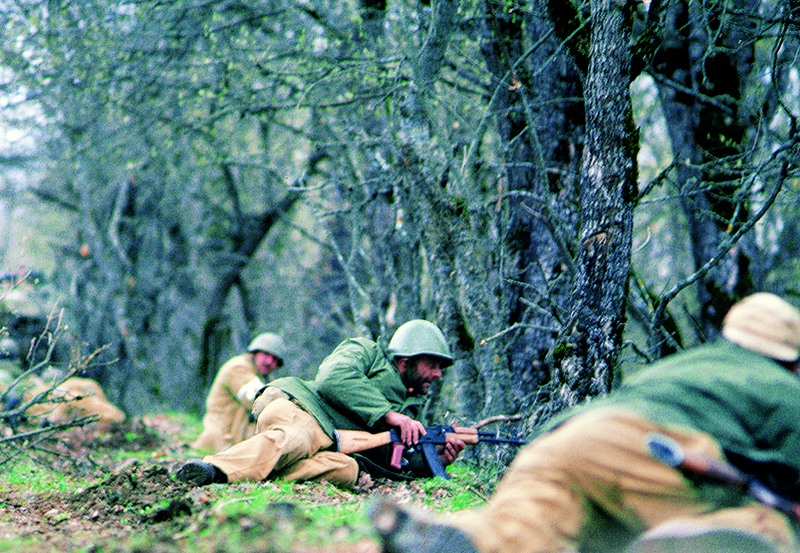
How a Murder Defines a Conflict
Posted on Author Matt Korda
Matt Korda investigates how a decade-old murder plays a central role in explaining and perpetuating the Nagorno-Karabakh conflict.