


NATO Association of Canada
The mission of NATO Association of Canada is to promote peace, prosperity, and security through knowledge and understanding of the importance of NATO.
We strive to educate and engage Canadians about NATO and NATO’s goal of peace, prosperity and security. NATO Association of Canada ensures that we have an informed citizenry able to contribute to discussions about Canada’s role on the world stage.
As a leading member of the Atlantic Treaty Association (ATA), NATO Association of Canada has strong and enduring ties with sister organizations in many of the alliance countries, as well as members of NATO’s “Partnership for Peace” and “Mediterranean Dialogue” programmes. The NAOC has had a leading role in the recent transformation and modernization of the ATA, and helped to create and develop the Youth Atlantic Treaty Association (YATA).
The NAOC has strong ties with the Government of Canada including Global Affairs Canada and the Department of National Defence. We are constantly working to create and maintain relationships with international organizations such as the World Bank Group, the European Bank of Reconstruction and Development, NATO Headquarters, the International Criminal Court, and other prominent international NGOs and think tanks.
Related Articles
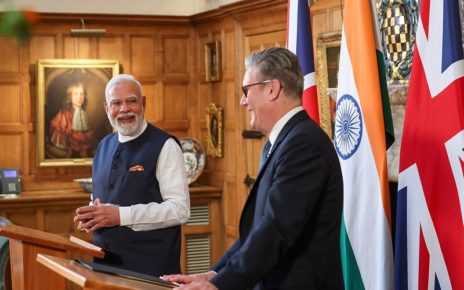
A Model for NATO Engagement in South Asia: Why Working with India Makes Sense for Britain
Posted on Author Angus MacKellar
What lessons can NATO members learn from the United Kingdom and India’s growing strategic partnership? In this article, Angus MacKellar discusses how London has strengthened its relationship with New Delhi whilst avoiding broader geopolitical commitments in an increasingly fractious South Asian security environment, underlining how India’s position and interests make flexible NATO engagement both feasible and valuable.
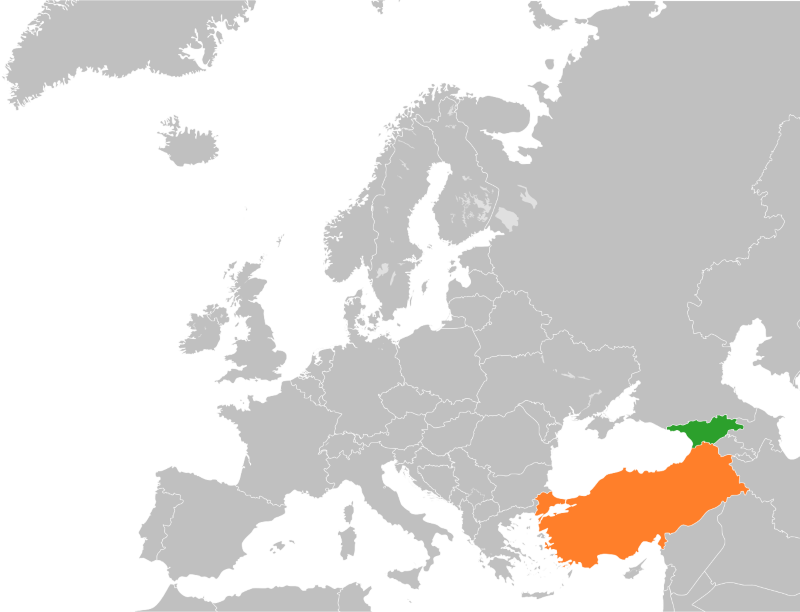
Turkey, Georgia, and Energy Security
Posted on Author NATO Association of Canada
European energy security, especially the diversification of sources of supply of natural gas, increasingly depends on the South Caucasus countries of Georgia and Azerbaijan. Russia is building the NordStream Two and TurkStream pipelines in order to secure European Union (EU) dependence on Russian gas for decades to come. Because of its unique geographical situation, Georgia Read More…
Women in Russia: Where Do They Stand?
Posted on Author Kelly Rahardja
Kelly Rahardja examines women’s rights in Russia in her latest infographic.