NATO and Canada

A SAFEr Bet for Canada? How the €150-Billion SAFE Program Is Pulling Ottawa Closer to Europe

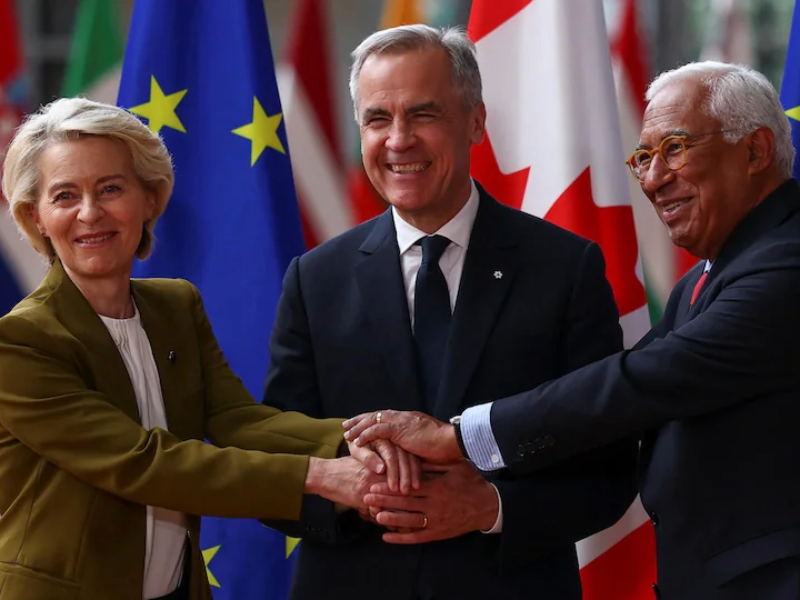
By joining the EU’s €150-billion SAFE program, Canada is positioning itself closer to Europe’s defence-industrial strategy and recalibrating its long-standing reliance on the United States. In this piece, Sanam Singh examines what this shift means for Canada’s alliances, procurement choices, and long-term strategic autonomy.

Rudy Yuan Society, Culture, and Security

What Canada Can Learn About the Whole-of-Society Approach to Civil Defence

In November 2025, the Canadian Armed Forces (CAF) unveiled a plan for expanding the Supplementary Reserve force from 4,384 personnel to 300,000. In doing so, the CAF aims to create a civil defence corps out of the Supplementary Reserve. The Supplementary Reserve is distinct from the larger Primary Reserve, which is made up of part-time Read More…

NATO and Canada

On the Ground and in the Air: Canada’s Defining Role in NATO’s Military Healthcare

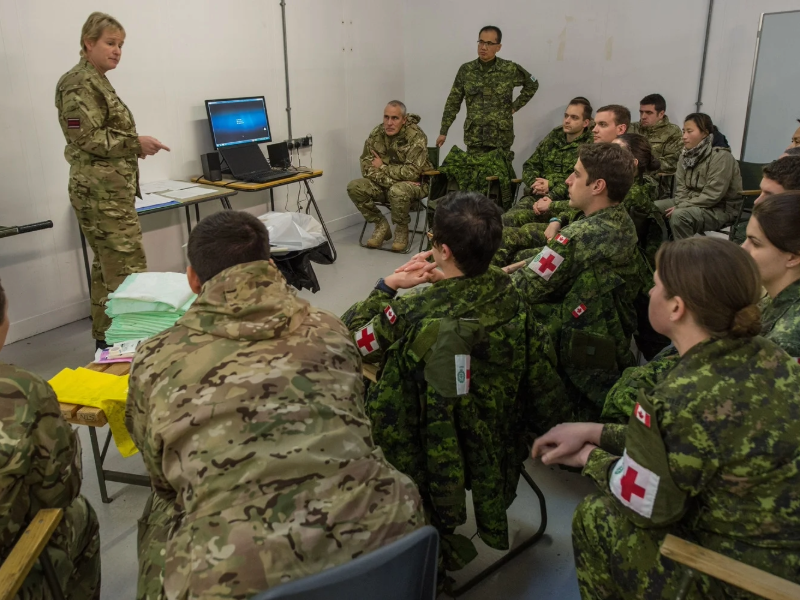
In this article, Sanam Singh argues that NATO’s medical system anchors every mission with Canada’s leadership enhancing its strength on the ground and in the air. The piece shows how Canada’s expertise positions NATO to confront the growing threat of cyberattacks targeting military healthcare.

NATO and Canada

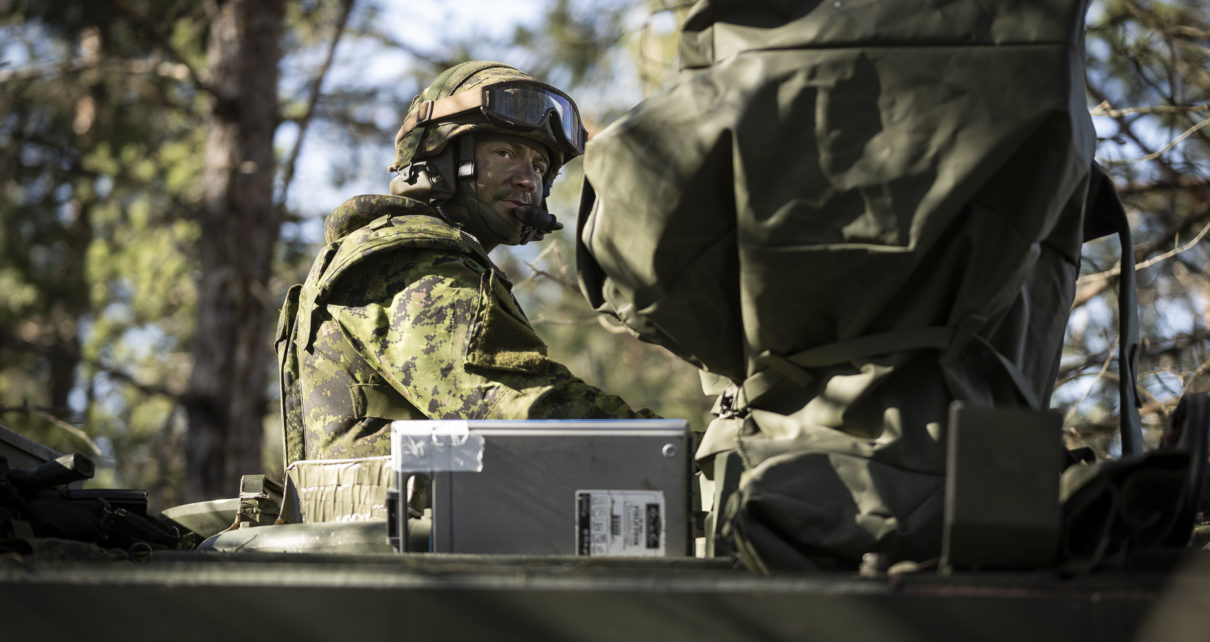
Deterring and Proving Commitment: Canada and Task Force Latvia

Eight years after the start of Canada’s mission to Latvia, Ottawa continues to increase its commitment to the NATO multinational formation. Arguably, this is the most important component of Canada’s defence policy and a key part of the country’s foreign policy. The enhanced forward presence brigade led by Canada is one of several formations which serve to deter Russian aggression. These ‘tripwire forces’ aim to ensure that in the event of a Russian attack, many member states would be involved, guaranteeing a general response from the alliance. Beyond this, Canada’s leadership serves as a strong example of the country’s value to the alliance and reassures allies that they would not be abandoned in the event of war.

NATO and Canada

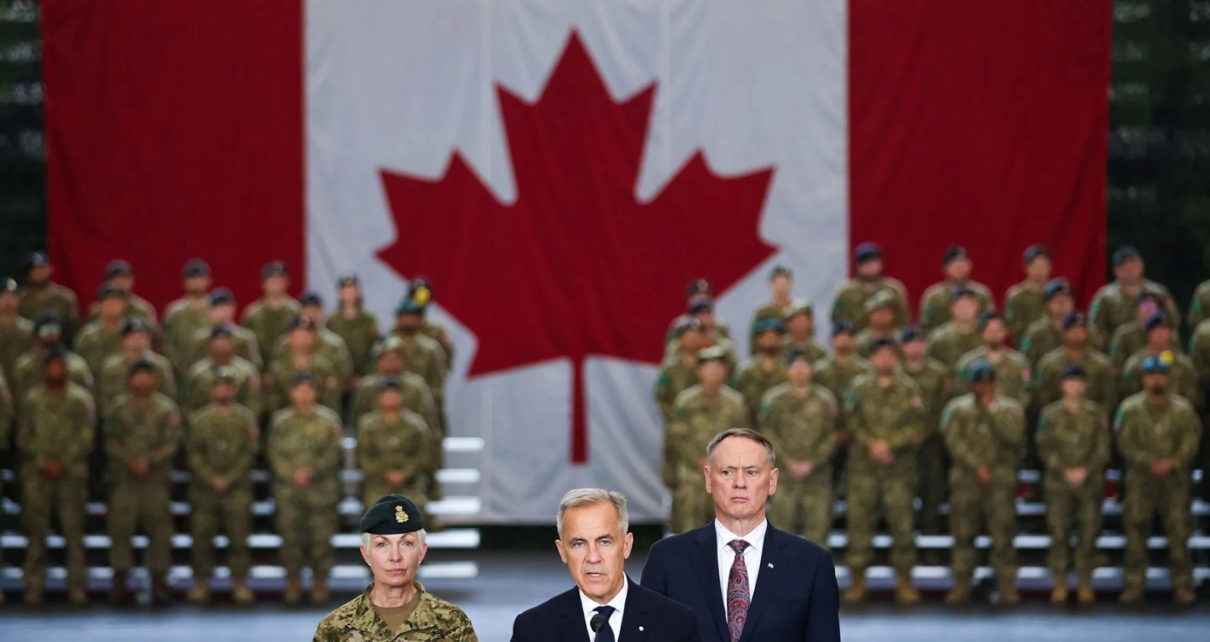
Guns vs. Butter – Canada’s 5% Defence Expenditure Commitment

Canada’s ambitious pledge to raise defence spending to 5% of GDP by 2035 marks a decisive shift in national priorities. This analysis by Emma Zhang examines whether the Carney government can strike a balance between defence spending and social welfare, and turn defence investment into sustainable economic growth.

NATO and Canada

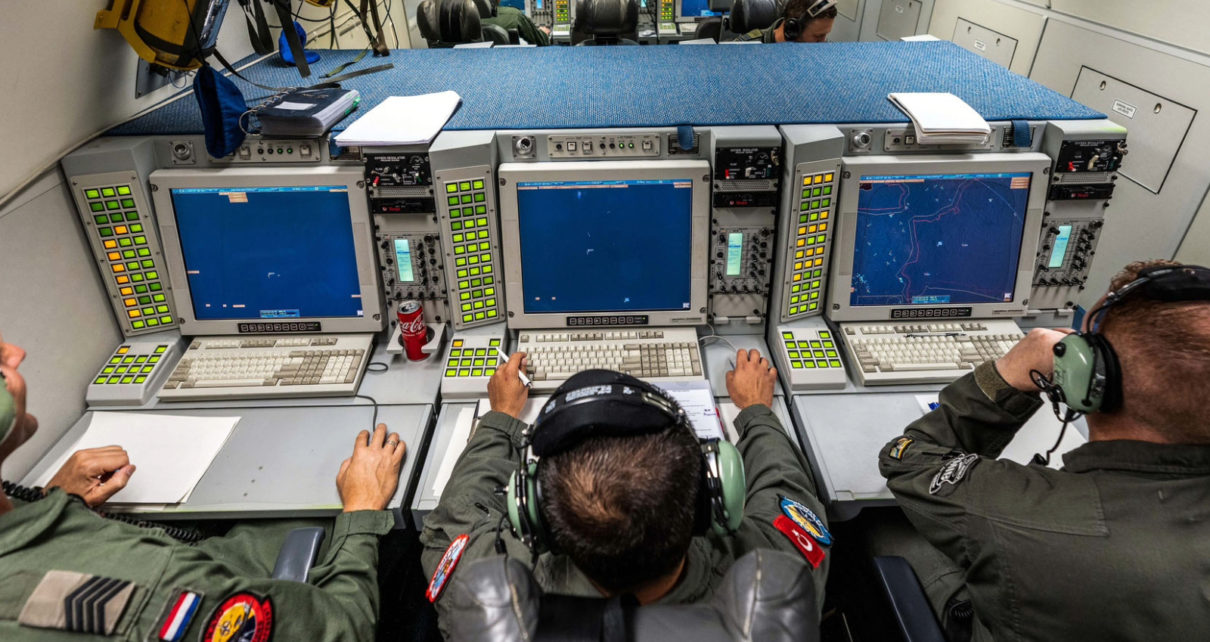
Arctic Sovereignty through Airborne Surveillance: Canada’s Acquisition of Airborne Early Warning & Control (AEW&C) Systems

While Canada’s military is often seen as a strong and modern fighting force, it also lacks many assets that are key to ensuring defensive capabilities, including Northern surveillance. Canadian ambitions to acquire Airborne Early Warning and Control (AEW&C) aircraft will revolutionize Northern intelligence gathering in order to bolster NORAD’s effectiveness and Canadian sovereignty. The Canadian Read More…

James Lautens Society, Culture, and Security

Conscription in NATO Countries: Why Do Some Have It and Others Don’t?

In his latest article, James Lautens explores the discussion around military conscription as a means of deterrence in global security. By comparing conscription policies in NATO countries, he outlines the cultural, political, geographic, and historical factors behind conscription policies and argues that, in an increasingly unstable world, Canada should consider all options – including conscription – to strengthen its defences.

Cyber Security and Emerging Threats Jeremy Ofwono

Securing Canadian Interests Under the Second Trump Administration: The Need for An Attitude Adjustment

On January 20th, 2025, Donald Trump was officially sworn in as the President of the United States for his second term after winning the 2024 US election. With this, a new age of global politics is in the offing. Trump’s policies during his first administration were largely guided by an “America First” agenda, reflecting a Read More…

Security, Trade and the Economy

How Canada Can Reach 2%: Learning from Allies

For decades, NATO has maintained a clear benchmark for defence spending: 2% of a nation’s GDP. This figure signifies a commitment to collective security. However, as of 2024, Canada spends only about 1.4% of its GDP on defence.  With increasing pressure from NATO allies and a shifting global security landscape, Canada faces the pressing question: Can Read More…