Joel Sawyer is a Junior Research Fellow with the NATO Association of Canada’s Indo-Pacific and NATO program. He holds a Bachelor of Arts and Advanced Studies (Politics and International Relations) from the University of Sydney, Australia, where he worked as a research intern at the New South Wales Parliament. Joel is currently entering the final semester of his Master of Public Policy and Global Affairs degree at the University of British Columbia, where he is specializing in global governance and security. His research interests include maritime security, theories of escalation and bargaining in war, and the economics of defence spending. During his time in Canada, he has served as a Liaison Officer for Global Affairs Canada at the Vancouver 2024 meeting of the Comprehensive and Progressive Agreement for Trans-Pacific Partnership. In addition, Joel is currently co-leading research on submarine cable governance in the Asia-Pacific at the School of Public Policy and Global Affairs, where he and the research team will develop theories of cable securitization and the impacts of interdependencies on regional governance. He is also a recipient of the Simons Award in Nuclear Disarmament and Global Security, awarded for a research paper examining the economic logic behind the AUKUS submarine deal and its forecasted effects on the Australian economy.
What future is there for the ‘middle powers’ in a global order increasingly defined by unilateralism and revisionism? In this article, Joel Sawyer examines Canada’s role in building a new ‘counter-power’ network to define a new model of international cooperation
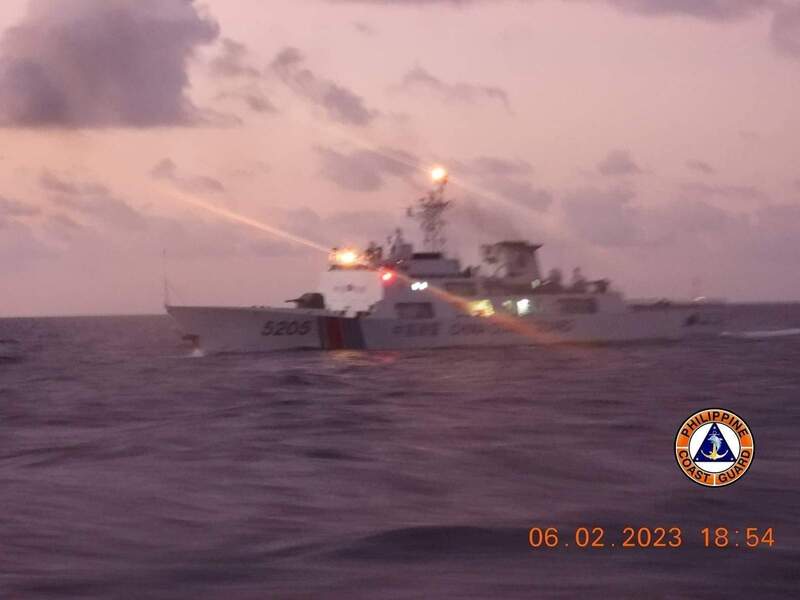
What role can NATO play in addressing grey zone coercion in the Indo-Pacific? In this article, Joel Sawyer explores how the Alliance can strengthen regional pre-conflict deterrence and preparedness to reduce the effectiveness of coercive grey zone operations, actions, and activities.