Jasmine Doobay-Joseph is completing a Master’s in Infrastructure Protection and International Security (M.IPIS) at Carleton University, specializing in Cybersecurity. She holds a bachelor's degree in Cognitive Science, where she developed a strong interest in intelligence, human decision-making, and the relationship between technology and security.
She has worked as a Security Analyst for the past two years and currently serves as a Junior Research Fellow with the NATO Association of Canada, contributing research to the Canadian Armed Forces Program. She aims to further develop her expertise in the security and intelligence domain.
Jasmine’s interests include intelligence, critical infrastructure protection, cybersecurity governance, and the human dimensions of security.
You can learn more about Jasmine’s experiences on her LinkedIn: https://www.linkedin.com/in/jasminedoobayjoseph
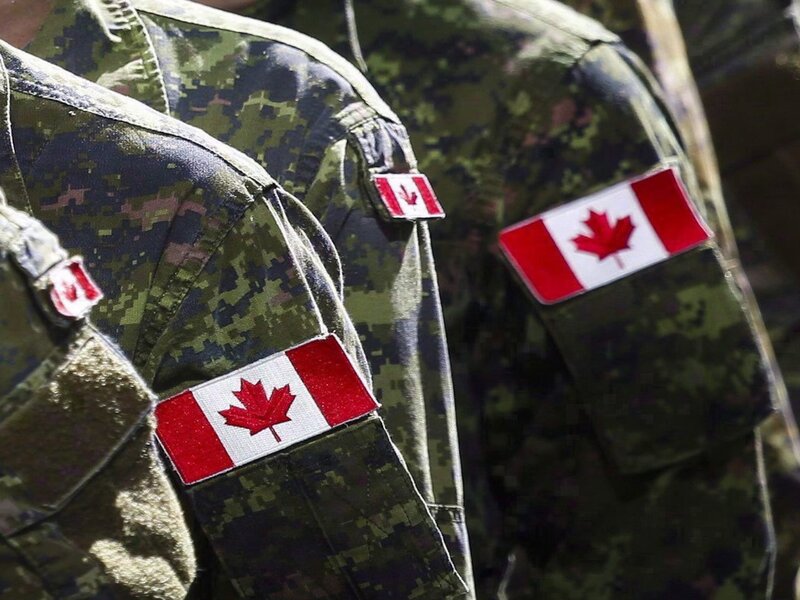
As the Canadian Armed Forces (CAF) continue to operate below authorized strength, the Government of Canada has announced plans to create a pathway for skilled foreign military recruits to help fill shortages in critical occupations. This reflects a broader challenge facing allied militaries: how to fill urgent personnel gaps without creating new long-term problems. This article examines whether foreign recruitment is becoming a lasting part of force generation or whether it is being used to respond to ongoing personnel pressures.
Drawing on examples from the United States, the United Kingdom, and France, the article argues that external recruitment works best when it is connected to broader personnel planning, domestic training systems, and retention efforts. While it can help ease pressure in high-skill occupations such as aviation and medicine, its long-term value depends on whether it strengthens the force over time. The analysis suggests that foreign recruitment can support capability, but its overall value will depend on how well it fits within Canada’s wider workforce approach.
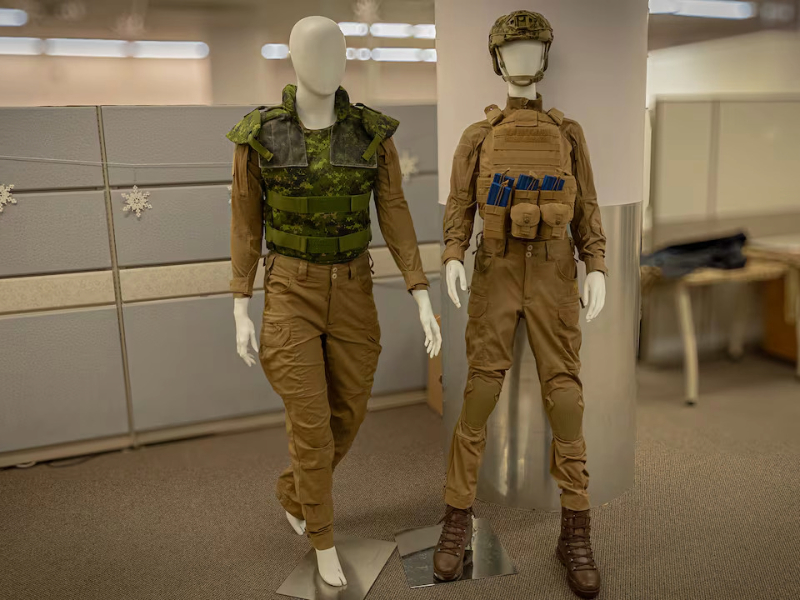
When “unisex” equipment is designed around male body norms, readiness is not neutral. As women’s participation in the Canadian Armed Forces grows, gendered differences in body proportions have practical consequences for mobility, endurance, and injury risk. Referencing NATO anthropometric data and Ukraine’s wartime redesign efforts, this article underscores why women-specific combat clothing fit is central to force generation and long-term sustainability.