The United States military is the premier force in the NATO alliance. To uphold regional security alongside its NATO allies, it operates bases in over 80 countries around the globe. However, this power comes at a considerable environmental cost. The US military emitted ~48 million megatons of CO2 in 2023 alone. This high consumption of fossil fuel makes the US military the largest institutional emitter in the world.
To its credit, the US military understands its role as a large carbon emitter, views climate change as a “threat multiplier,”and has taken constructive steps to mitigate it. This article will examine some of the US military’s decarbonization efforts, with a key focus on three lessons regarding army, air force, and naval branches that NATO allies, including Canada, can learn from to lower their emissions and fight climate change.
One lesson NATO allies can learn from the United States is how to decarbonize military bases to ensure both climate resilience and combat capability.
Currently, the US military aims to have all its bases around the world operate on carbon-free electricity by 2035. To achieve this goal, it has invested in microgrids, which are small-scale networks of energy supply consisting of solar, hydro, and wind power. According to Lt. Colonel Nathan Olsen, microgrids are highly strategic renewable energy assets because, “undoubtedly, U.S. overseas bases are in a situation where they are predominantly dependent on host-nation and local energy supplies.” The colonel went on to explain that “diversifying energy sources and moving toward a localized, U.S.–run energy source—a microgrid—would lessen this vulnerability and increase overall reliability and resiliency.”
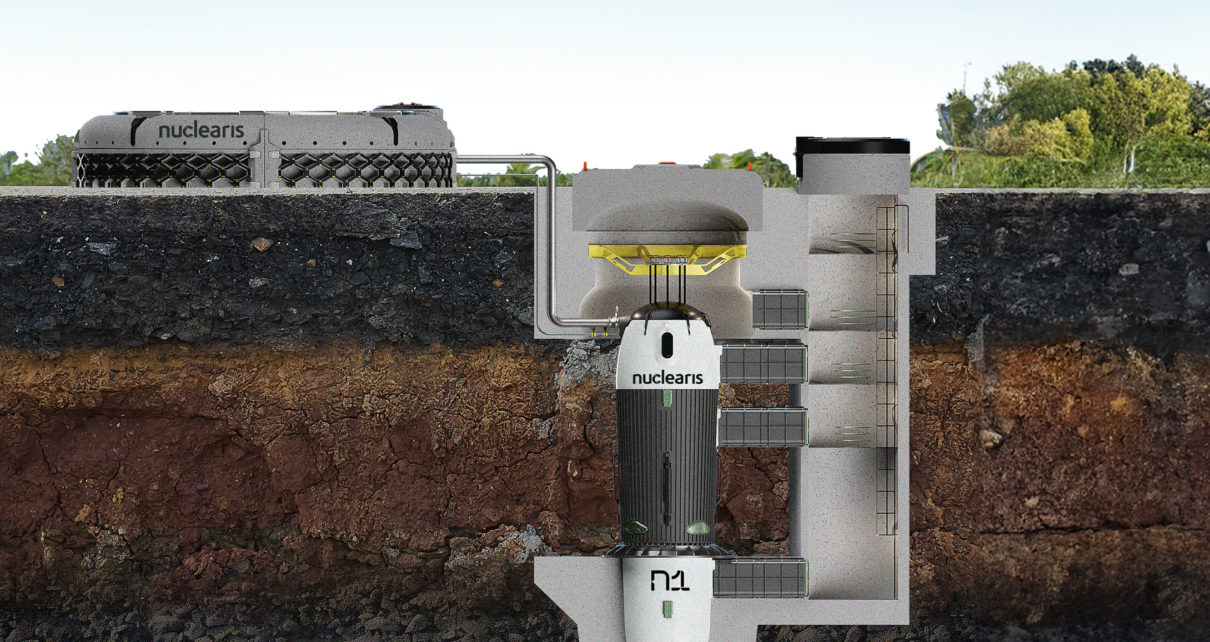
The US military has also launched the Advanced Nuclear Power for Installations Programme to operate small modular nuclear reactors, or “SMRs,” to develop nuclear-powered microgrids on US military installations.
Thus, microgrids are a vital energy asset that not only combats climate change but ensures a military base can operate independently of a national power grid which may go offline due to a hostile attack or political tensions.
This initiative by the United States to decarbonize its military presence around the globe is something all NATO allies can learn from.
If NATO allies invest in renewable microgrids, they can lower their military’s carbon emissions and guarantee that their armed forces are able to operate in the event that their primary national energy infrastructure is disabled. This is important to note because energy infrastructure is a primary target in warfare. This can be seen in the war in Ukraine as Russian forces have repeatedly struck Ukrainian energy infrastructure and civilians.
The second lesson that NATO allies can implement to strengthen the alliance is a focus on a low-carbon air force.
According to a study by Brown University, the US Air Force is a heavy polluter and has consumed over ~184 million gallons of jet fuel from 1958-2018. To reduce emissions, the US Air Force is currently focused on three goals: maintaining air and space dominance in the face of climate risks, making climate informed decisions, and optimizing energy use and pursuing carbon friendly fuel blends.
The US Air Force also has a goal of increasing biofuel usage and sustainable fuel blends by ~10% at the end of 2025.Furthermore, the US Air Force will finish testing the efficiency of using small nuclear devices to power air force bases.
All NATO allies should follow the United States’ example and invest more in local sustainable energy sources for air force bases. Increased investment in a sustainable air force will fight climate change and create new sustainable jobs.
NATO allies should work together to provide and standardize more blends of sustainable fuel in NATO aircraft. By investing more in research and development, the combined air forces of NATO can reduce their carbon emissions while ensuring that they are still combat-capable to defend the alliance.
The final example NATO allies can draw from the United States pertains to decarbonizing naval forces. The US Navy is the largest in the world. According to the Transactions Institute of British Geographers, the US Navy is the second–highest polluting branch of the US military, emitting over ~7.2 million tons of CO2 each year due to its reliance on fossil fuels.
The US Navy aims to address its carbon footprint with a target goal of reducing land emissions by ~65% by 2030 and becoming net zero by 2050. However, the Navy’s policy does not include plans to decrease emissions caused by its vessels and aircraft, with the focus remaining only on shore-based assets.
The US military has the potential to significantly reduce emissions. NATO is the largest military alliance in the world, and many of its member nations also have ambitious climate policies. If NATO allies can collaborate with the United States to implement similar climate measures, NATO can become a leader for climate action.
Photo: American/Argentinian Micro reactor N1 developed by Nuclearis (2024), author unknown via Wikipedia Commons.
Disclaimer: Any views or opinions expressed in articles are solely those of the authors and do not necessarily represent the views of the NATO Association of Canada.