China Eastern Europe and Russia Indo-Pacific and NATO Maritime Security Russia Taiwan Uncategorized

From Kyiv to Taipei: Why the Russian-Ukrainian War Matters in the Indo-Pacific

Alexander Morrow and Nataliia Dikalchuk explain why Ukraine’s fight matters far beyond Europe. The war is reframing deterrence in the Indo-Pacific, prompting Taiwan to prioritize self-reliant defence and pushing China to reassess Western unity. Their analysis highlights how democratic resilience in one region shapes security calculations in another.

Cyber Security and Emerging Threats

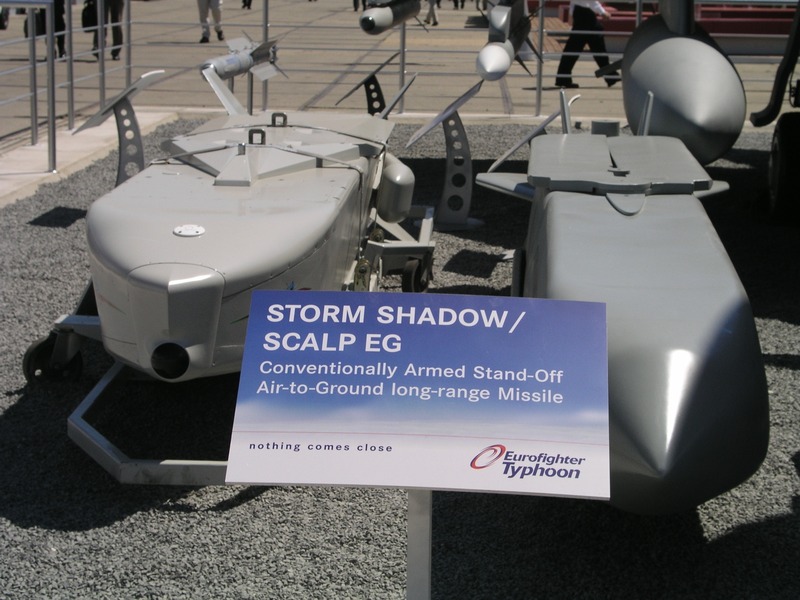
Europe’s Land-Based Intermediate-Range Strike Capability Gap

The post-INF ground game has been moving fast in the past few months with long-term consequences for European security. Having successfully eliminated ground-launched intermediate-range missiles as a whole class of weapons from American and Russian Cold War inventories, the Intermediate-Range Nuclear Forces (INF) Treaty was a cornerstone of European security for so long that it was easy Read More…

Security, Trade and the Economy

How NATO’s Innovation Lift Could Reshape Canada’s R&D System 

Innovation as strategic capital  NATO members are placing increasing emphasis on science, technology and industrial capability as part of collective defence. The recent commitment by allies to move toward defence spending of 5% of GDP, including higher levels of research, development and industrial investment, reflects a recognition that technological advantage affects deterrence, economic resilience and the ability to operate in contested environments.  This shift Read More…

China Indo-Pacific and NATO Philippines

The Philippines at a Crossroads: Domestic Politics and NATO’s Indo-Pacific Challenges 

What implications does domestic Philippine politics pose for foreign policy for NATO members? In this article, Karissa Cruz highlights the broader implications posed by the Duterte-Marcos feud over foreign policy direction, what it means for NATO, and how members should perceive these tensions amidst the heightened aggression by China.

Melani Veveçka Society, Culture, and Security

Special Report – Rural Exclusion and Right-Wing Politics: A Comparative Study of Germany and Canada

To understand the political realities of Canada and Germany today, one must begin with a map. In both countries, polarization takes shape not just in rhetoric but in the growing distance between city skylines and rural streets.  Politics has been reorganized by a new geography of power, with cities now concentrating population, investment, and cultural Read More…

India Indo-Pacific and NATO Maritime Security

A Model for NATO Engagement in South Asia: Why Working with India Makes Sense for Britain

What lessons can NATO members learn from the United Kingdom and India’s growing strategic partnership? In this article, Angus MacKellar discusses how London has strengthened its relationship with New Delhi whilst avoiding broader geopolitical commitments in an increasingly fractious South Asian security environment, underlining how India’s position and interests make flexible NATO engagement both feasible and valuable.

China China Indo-Pacific and NATO Maritime Security Uncategorized

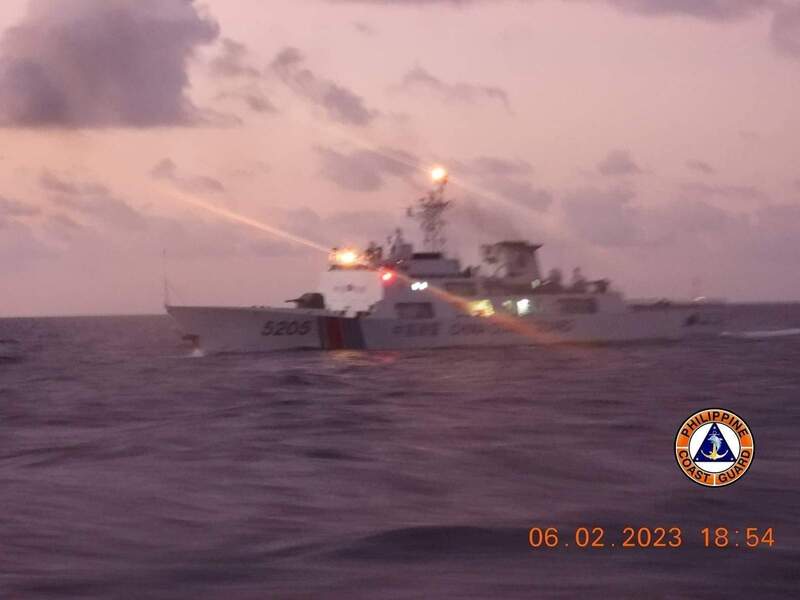
Illuminating the Grey Zone: How NATO can help shape the Indo-Pacific’s Pre-Conflict Terrain

What role can NATO play in addressing grey zone coercion in the Indo-Pacific? In this article, Joel Sawyer explores how the Alliance can strengthen regional pre-conflict deterrence and preparedness to reduce the effectiveness of coercive grey zone operations, actions, and activities. 

NATO and Canada

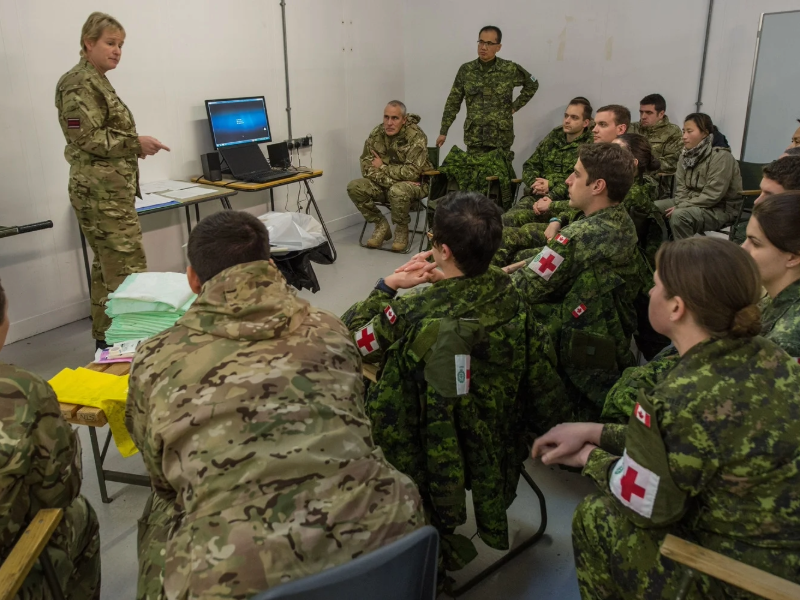
On the Ground and in the Air: Canada’s Defining Role in NATO’s Military Healthcare

In this article, Sanam Singh argues that NATO’s medical system anchors every mission with Canada’s leadership enhancing its strength on the ground and in the air. The piece shows how Canada’s expertise positions NATO to confront the growing threat of cyberattacks targeting military healthcare.

Previous Events

Unmanned Horizons: The Future of Aerial, Land, and Naval Drones 

On November 28, 2025, the NATO Association of Canada convened over 150 defence leaders, industry innovators, and policymakers in Ottawa for the event entitled “Unmanned Horizons: The Future of Aerial, Land, and Naval Drones.” The panel explored the fast-moving landscape of drone technologies and what these advancements mean for Canada’s defence capabilities. This report provides a detailed summary of the conversation and argues that keeping pace with emerging technologies is essential for Canada’s security.

Previous Events

Civic Readiness in an Uncertain Era: Is it time for a Canadian Civil Defence Corps?

On November 25, 2025, the NATO Association of Canada and the Canadian International Council Toronto Branch co-hosted a panel examining whether Canada should establish a modern civil defence corps. This overview captures the central themes of the discussion and argues that now is a critical moment for Canada to invest in a stronger, more coordinated civil defence system.